
Home » Products » Testing Instruments » Pharmaceutical Testing Instruments » Sotax Samples Preparation
Samples Preparation
|
Automated Sample Preparation and Extraction Engineering
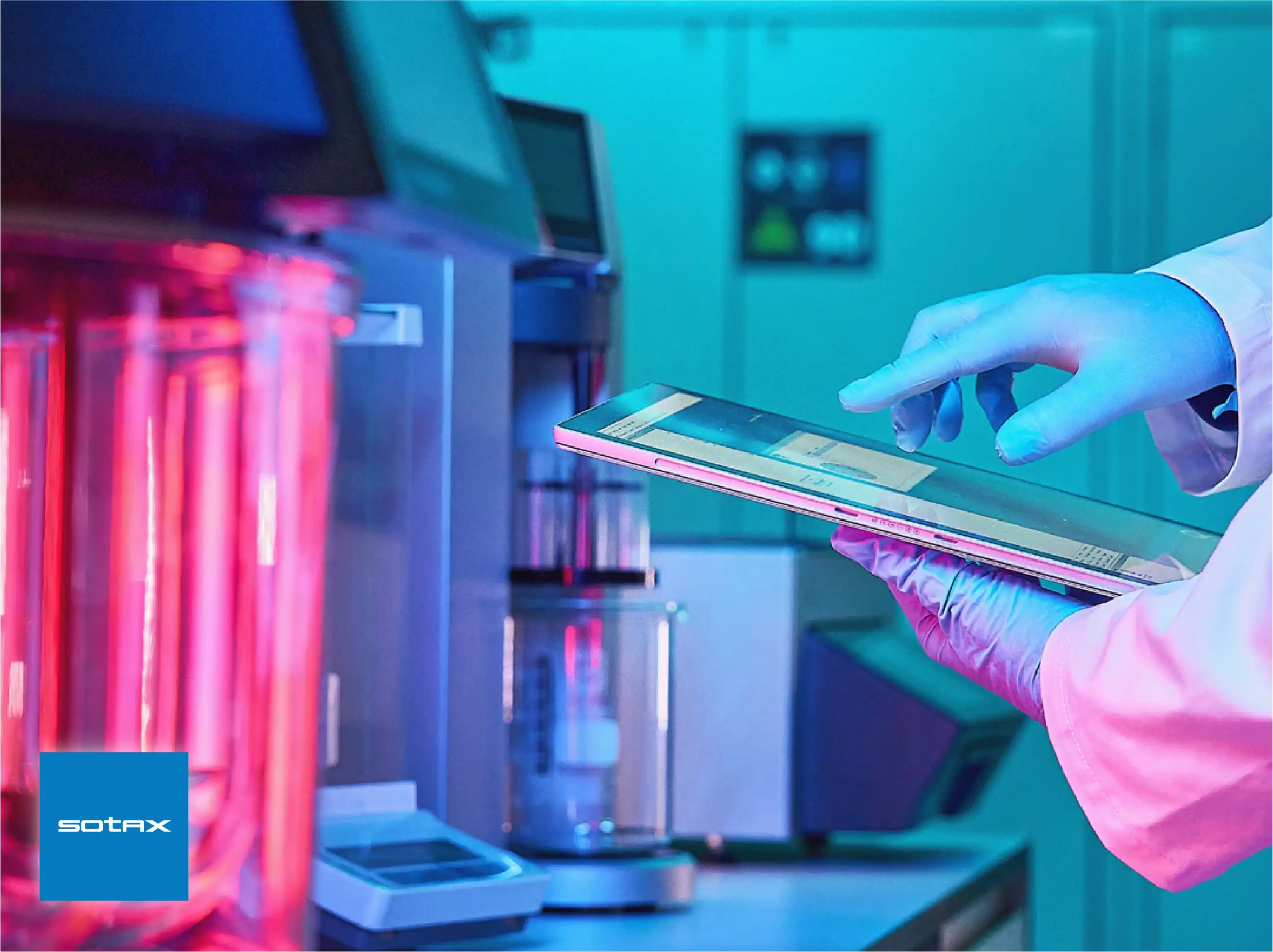
Sotax Samples Preparation
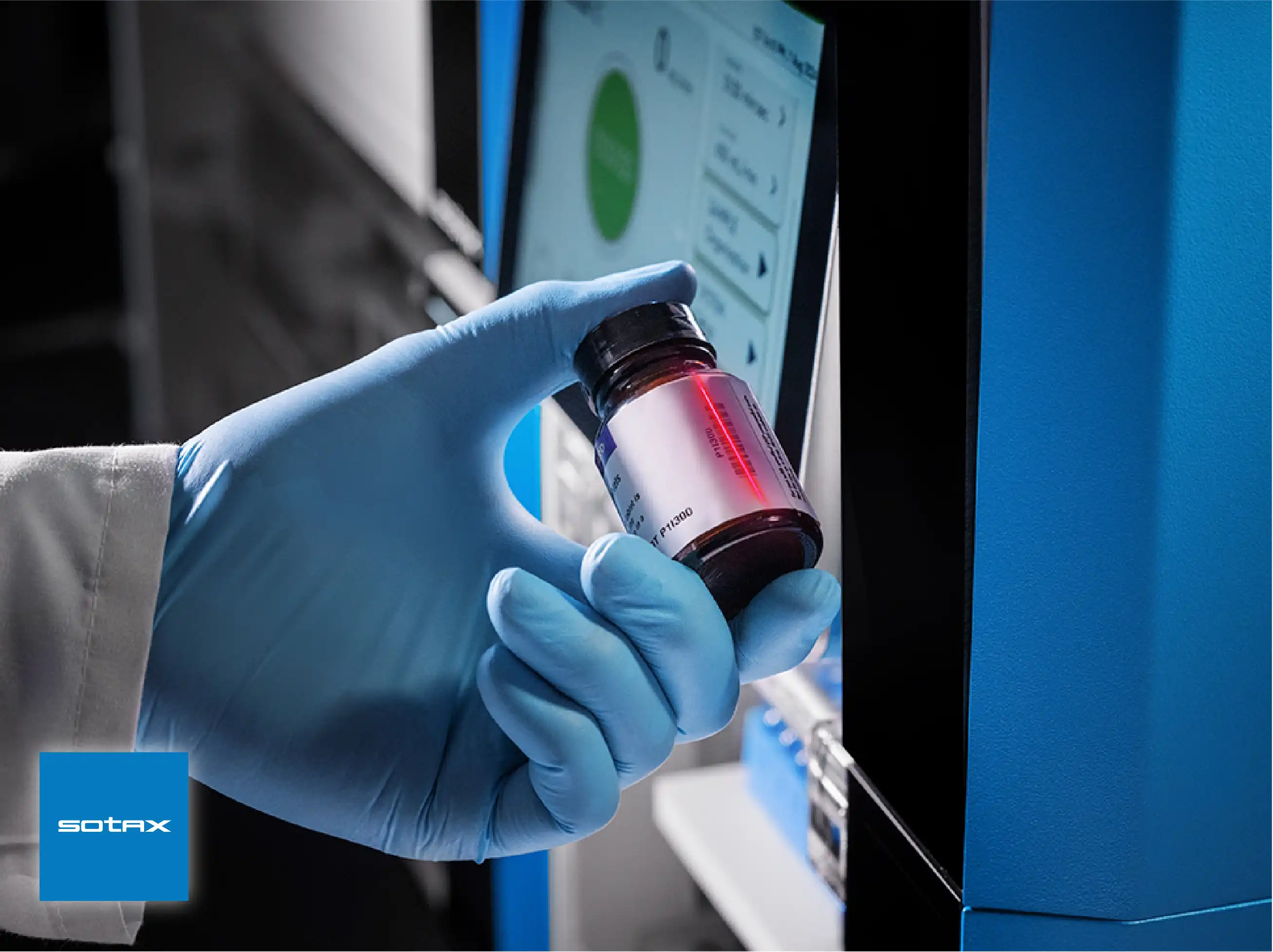
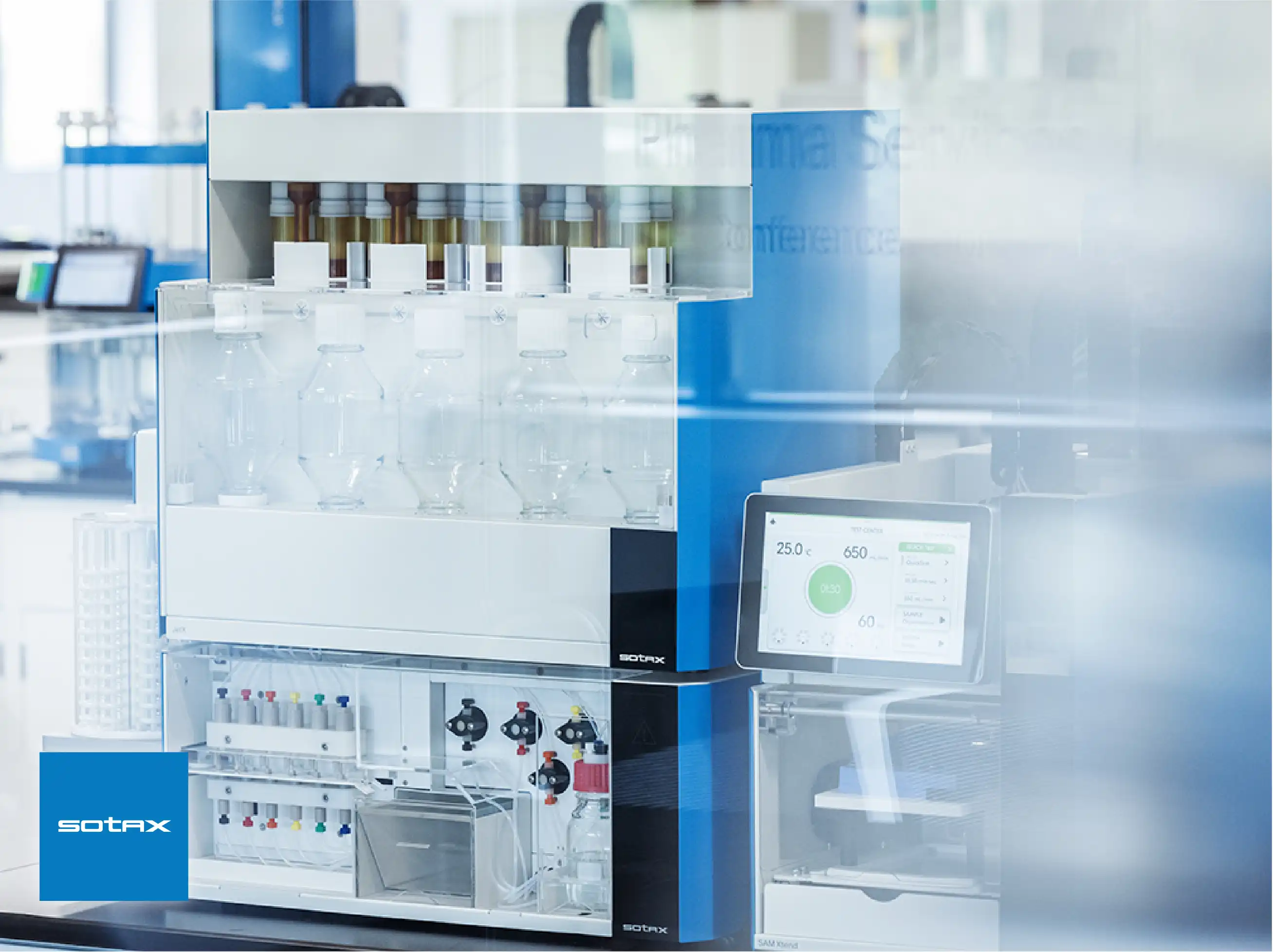
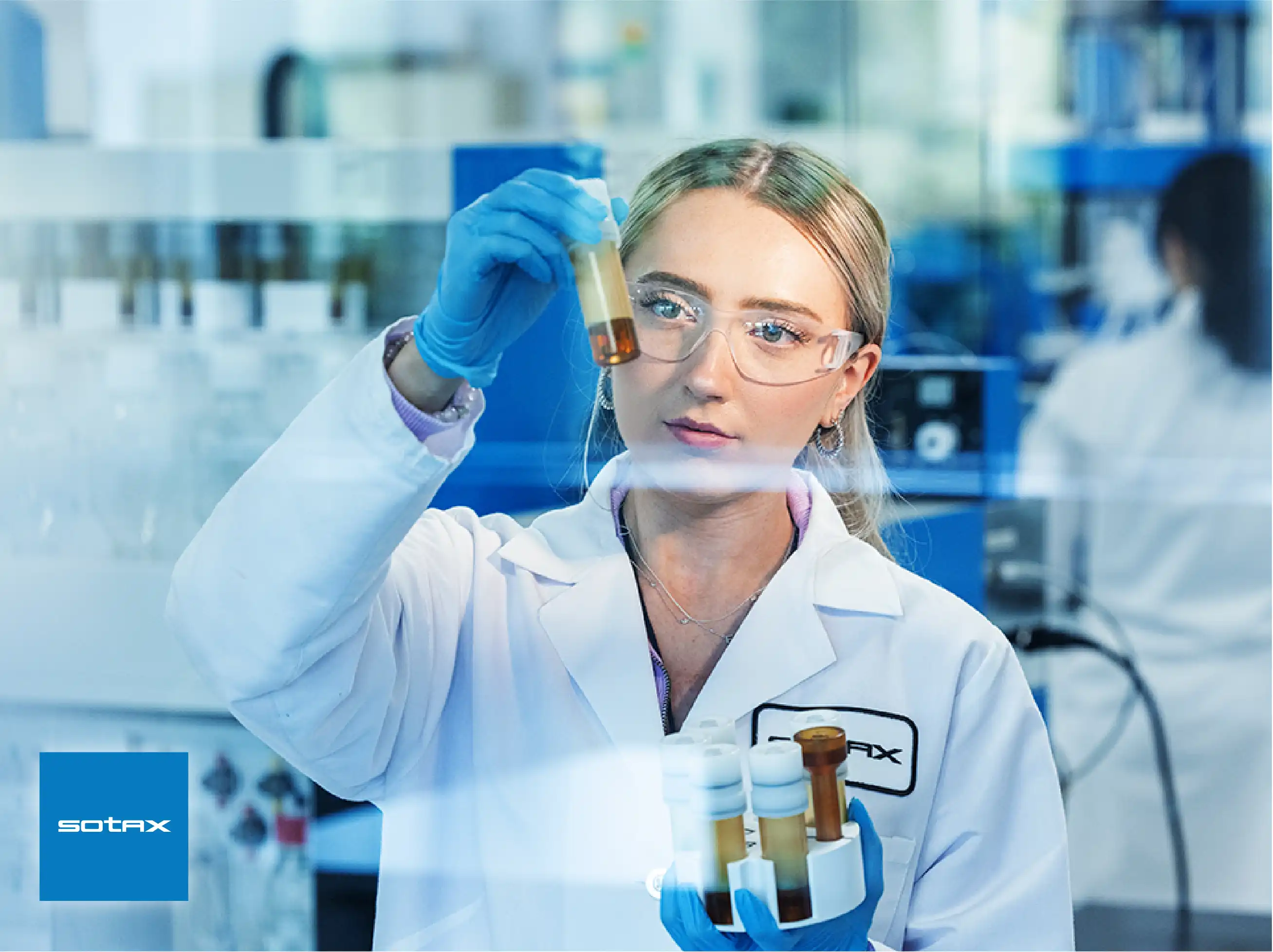
SOTAX automated sample preparation systems represent highly engineered laboratory workstations designed to completely automate the multi-step liquid and solid extraction workflows required for content uniformity (CU) and assay testing. Operating across diverse product matrixes—including solid oral dosage forms, active pharmaceutical ingredients (APIs), and complex semi-solids like creams and pastes—these systems systematically eliminate manual volumetric glassware operations.
The mechanical layout integrates high-shear homogenizers for rapid wet-grinding, focused sonication probes, and high-velocity jet extraction cells. By converting vulnerable manual procedures into closed, machine-controlled fluidic processes, the instrumentation minimizes analyst exposure to hazardous reagents, cuts solvent usage, and drastically reduces laboratory errors.
Mechanical Disintegration via High-Shear Homogenization and JetXtraction
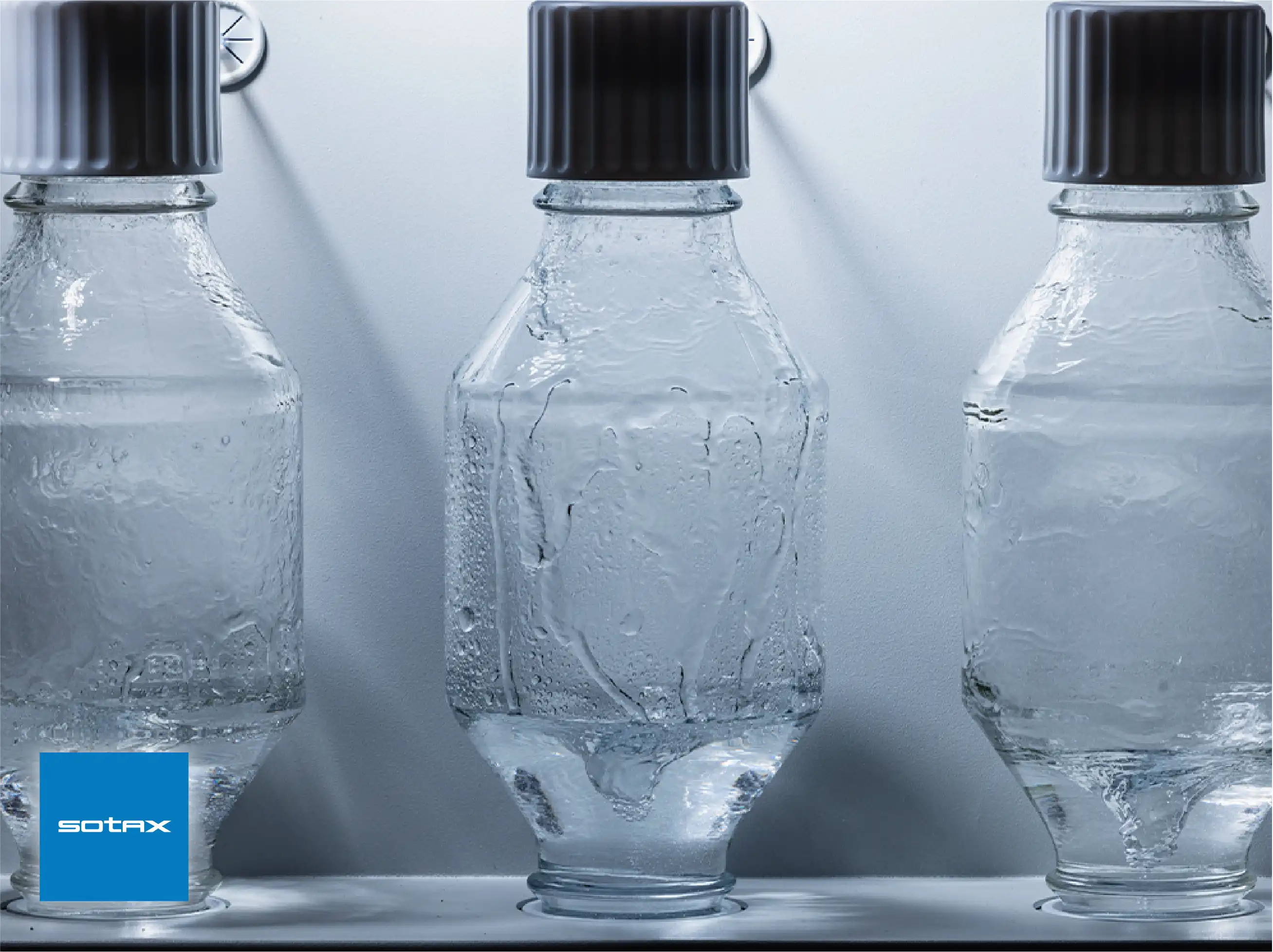
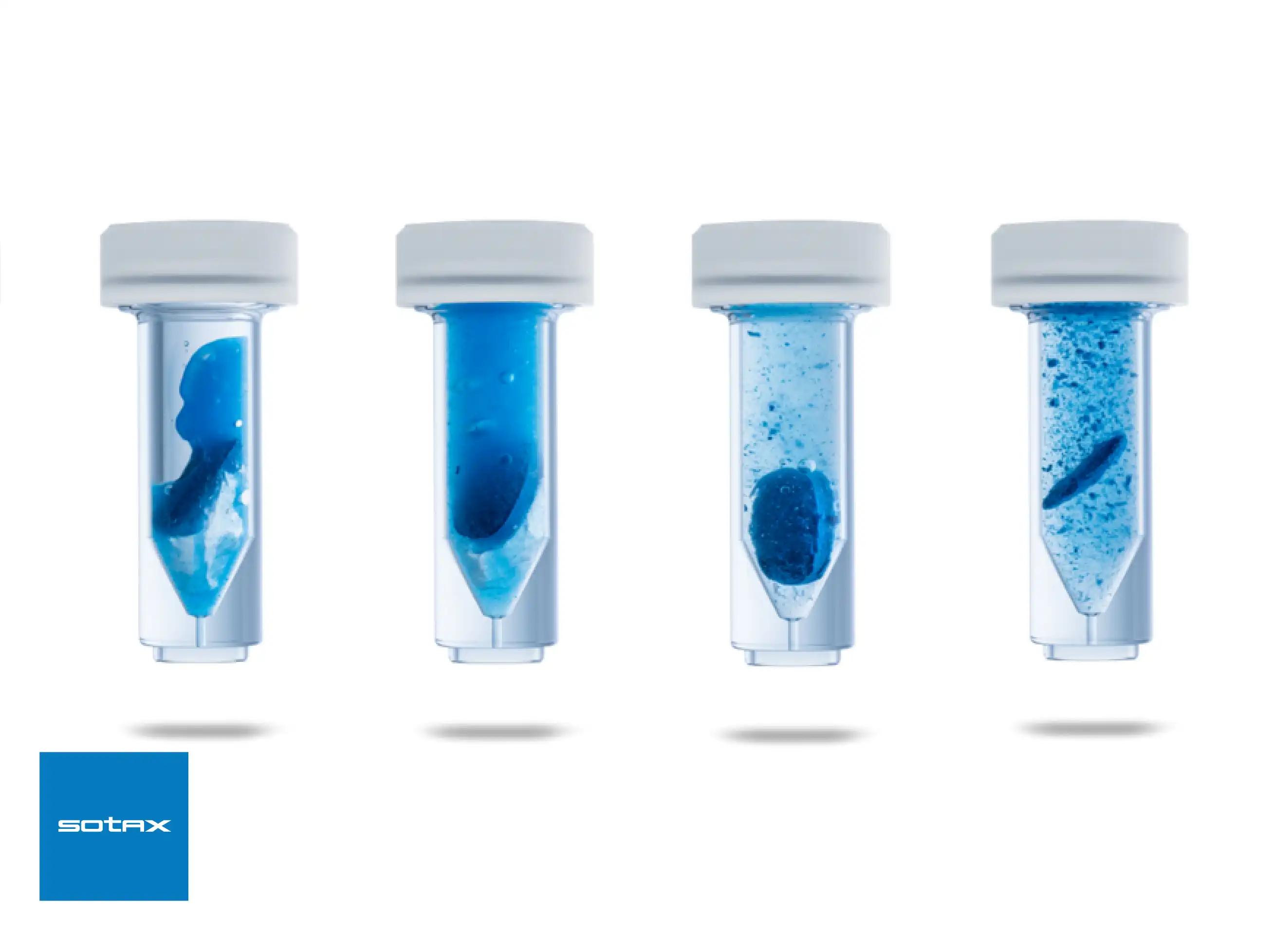
Technically, achieving complete analyte recovery from resilient, modified-release, or tamper-resistant solid dosage forms requires powerful mechanical forces. SOTAX sample preparation workstations replace passive shaking or manual sonication with high-shear homogenizers or automated JetXtraction technology. The homogenization setup executes a consistent wet-grinding process inside a closed vessel using initial solvent volumes from 20 to 520 mL, rapidly breaking down tablets and capsules. Alternatively, jet extraction configurations drive a high-velocity stream of media at flow rates up to 650 mL/min directly onto the dosage form, coupled with a magnetic stirrer that generates a vortex for thorough sample dispersion.
Substitution of Volumetric Errors with Gravimetric Verification Systems
Traditional manual volumetric preparation methods are heavily prone to operator error during flask filling and dilution steps, accounting for a large portion of typical laboratory errors. The automated architecture removes this limitation by performing gravimetric confirmations at every fluidic step using built-in high-precision weighing modules. The internal control software measures mass shifts to verify exact solvent delivery, sample extraction transfer, and subsequent dilution steps. This continuous gravimetric loop guarantees that every final concentration matches precise analytical specifications, reducing laboratory error rates by preventing incomplete manual recovery.
Focused Sonication for Low-Volume Extractable API Samples
When processing pure Active Pharmaceutical Ingredients (APIs), cleaning validation samples, or low-dose formulations, smaller initial extraction volumes are strictly required to avoid excessive dilution. For these applications, the physical testing hardware incorporates a focused sonication probe combined with a UV temperature sensor. This technical configuration delivers rapid sample disintegration within small processing tubes using low initial extraction volumes down to 10 mL. The integrated UV sensor continually monitors the liquid, allowing the system to achieve efficient and reproducible extractions for challenging formulations without risk of over-heating the sample.
High-Precision Multi-Stage Filtration and Serial Dilution Capabilities
Following the mechanical disintegration phase, the fluidic network must filter suspended particles and perform precise dilutions to prepare the sample for chromatographic insertion. The workstation drives the raw extracted liquid through inline filtration pathways as it transfers fluid from the extraction vessel into processing tubes. Post-filtration, the integrated fluid metering pumps can execute wide-range serial ratiometric dilutions up to a ratio of 1:100,000 within a single pre-programmed testing method. This precise fluidic control ensures that highly concentrated active ingredients are brought accurately within the linear detection range of analytical instruments.
Automated Online and Offline Chromatographic Data System Interfacing
To eliminate manual sample sequence logging and transcription-based data gaps, the sample preparation platform incorporates bidirectional software interfaces linking directly to Chromatography Data Systems (CDS) like Waters Empower. In online configurations, the system is physically coupled to an HPLC or UPLC via integrated injection loops, preparing and injecting fresh samples sequentially. Key parameters like sample ID and precise gravimetric factors are automatically transmitted via DataLink to build a compliant sample set. In offline configurations, the system deposits the processed fluid directly into sealed vials on an autosampler tray.
Default Data Integrity Protocols and 21 CFR Part 11 Architecture
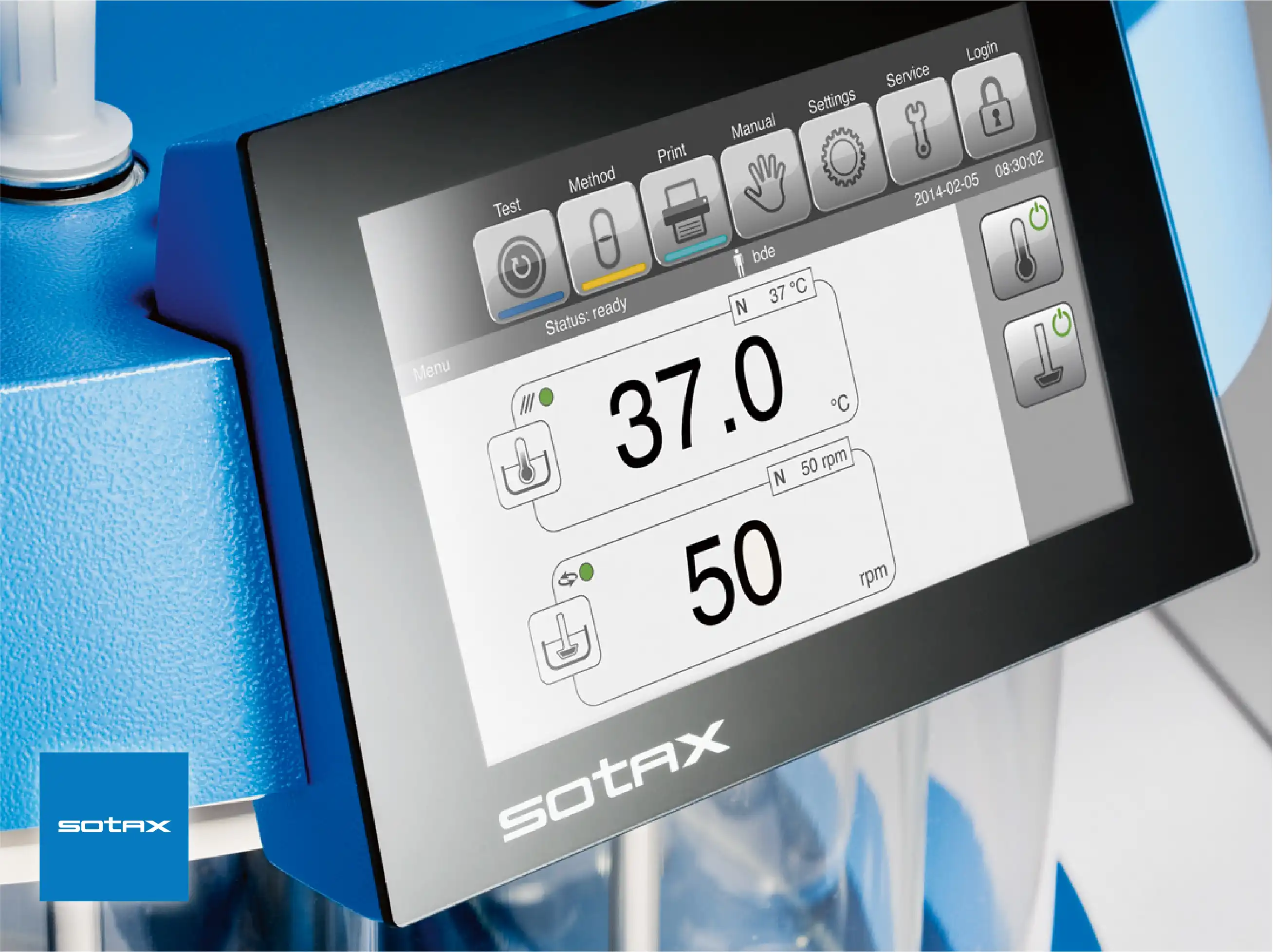
Operating within a regulated cGMP pharmaceutical environment demands unalterable data logging across every stage of the sample processing sequence. The workstation software incorporates AutoDI (Data Integrity by Default), operating on a centralized SQL database that natively records "who did what, when, and where." Every mass measurement, pump action, dilution ratio, and error-handling event is logged dynamically to generate readable, comprehensive audit trails. This comprehensive tracking ensures full compliance with FDA data integrity guidelines and 21 CFR Part 11 rules, providing fully documented proof of procedural adherence.
Automated Clean-In-Place Sequences for Validated Carry-Over Prevention
The elimination of product cross-contamination between successive runs is a critical mechanical requirement for high-throughput sample preparation platforms. SOTAX workstations resolve this through fully programmable, automated self-cleaning cycles executed between separate samples. The system drives specialized cleaning solvents and purified rinse water through all common internal fluid lines, homogenization blocks, and sample tubing. This automated clean-in-place routine removes any concerns about carry-over or contamination between samples, providing an advanced cleaning mechanism that can be thoroughly validated.
Analytical Quality by Design and Event-Triggered Video Monitoring
To streamline method development and analytical optimization, the workstation software integrates advanced developer features supporting Analytical Quality by Design (AQbD) principles. The platform incorporates specialized dEsign variables that fully automate parameter variations during extraction trials to identify robust method lifecycles through streamlined Design of Experiments (DoE) studies. Furthermore, the physical system can be integrated with event-triggered VideoLink monitoring cameras. This configuration records the real-time physical disintegration of the dosage form during unattended runs, linking specific video clips directly to the sample ID.
Click here for more information about Sotax range of products.