




SLEE Tissue Processors
|
Technical Specifications for Histological Tissue Processors
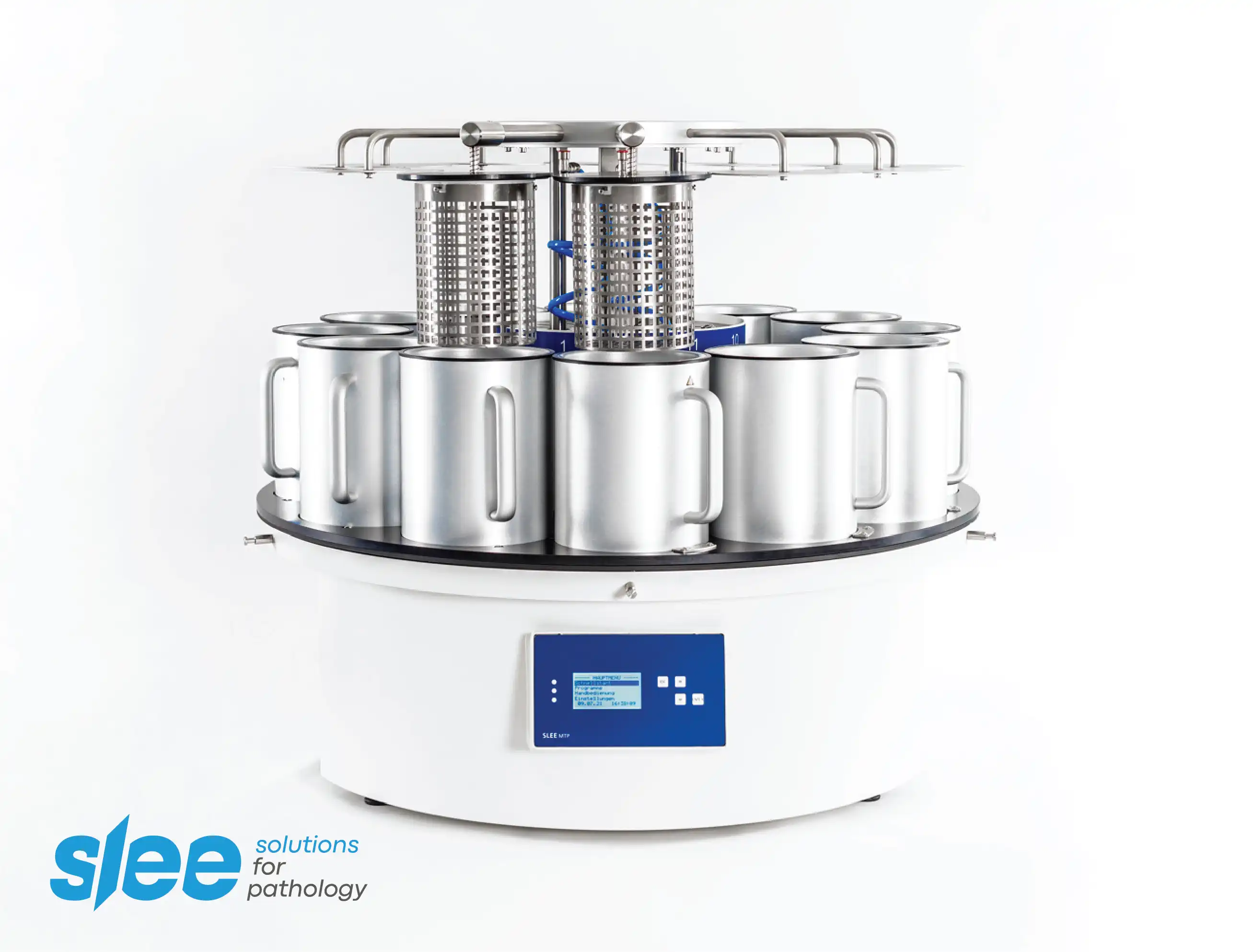
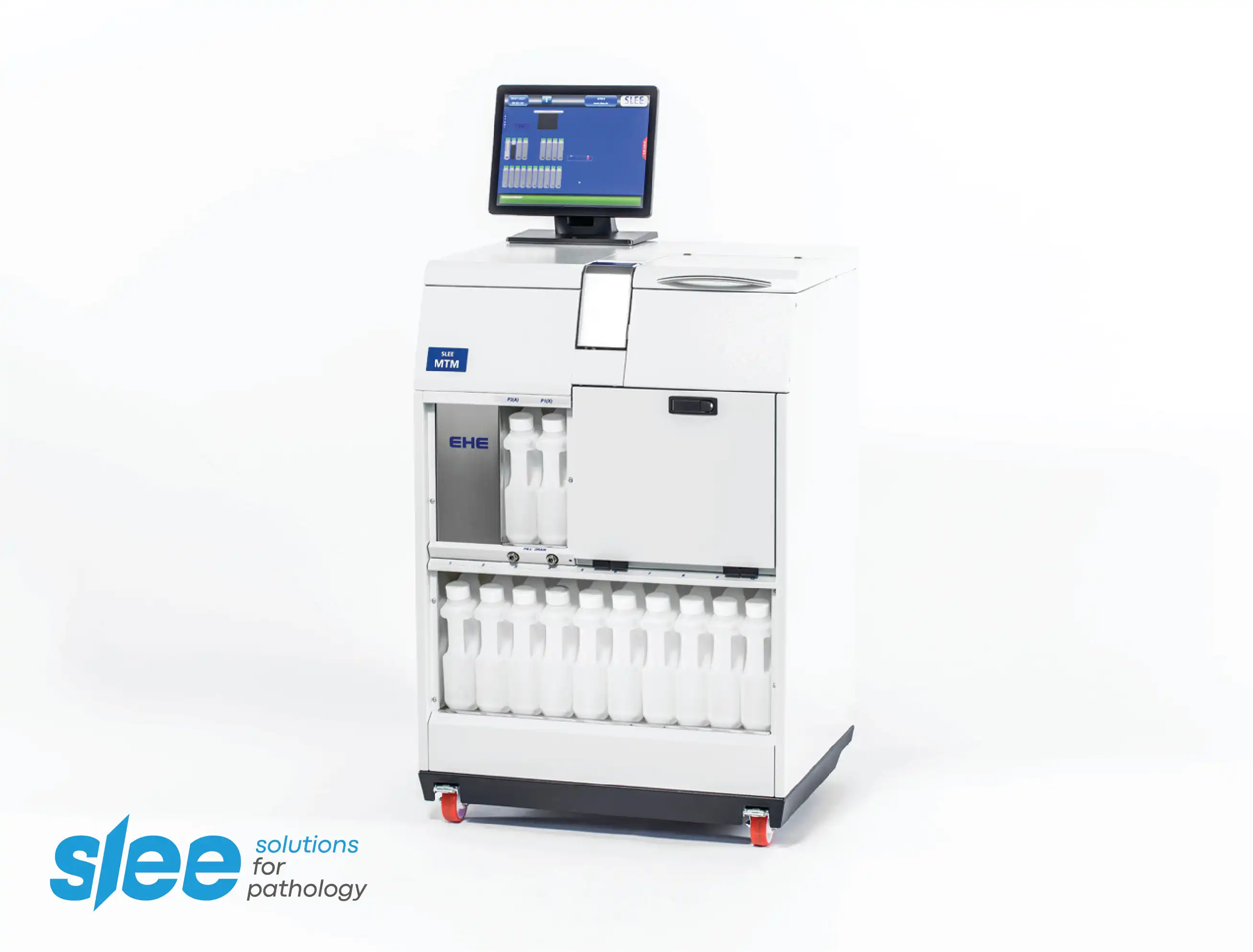
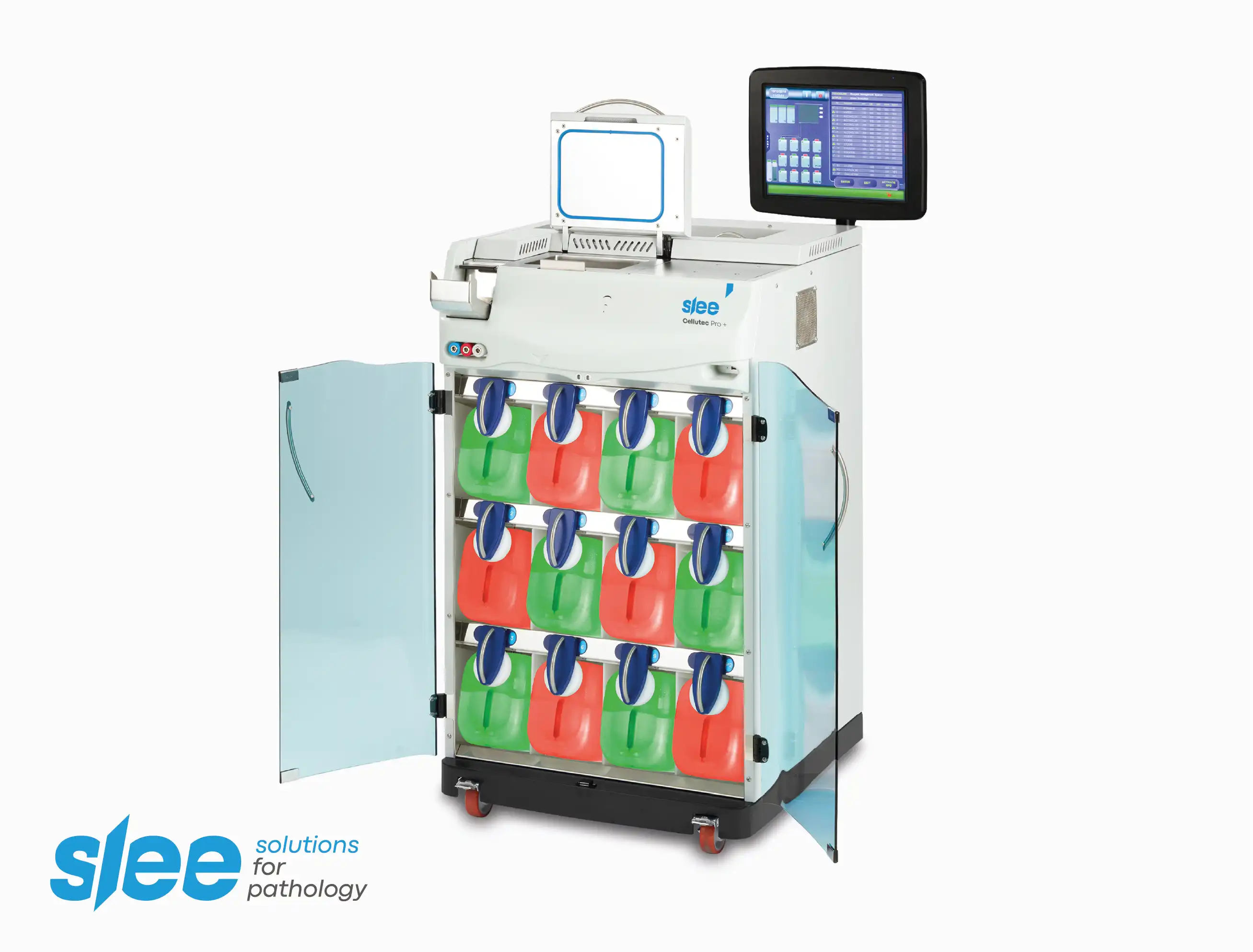
SLEE Tissue Processor
Tissue processors are essential instruments in the preparation of histological tissue samples, ensuring gentle and safe specimen processing for subsequent analysis. These systems are engineered to provide highly reliable operation through the fundamental steps of fixation, dehydration, and subsequent paraffin wax infiltration. Designed to meet the stringent requirements of diverse laboratories, the processors integrate sophisticated mechanical precision with advanced control features, establishing a standard for consistent and high-quality results in sample preparation workflows.
The systems utilize distinct operational principles, including the reliable carousel processing method or the highly efficient vacuum processing mechanism, which often incorporates pressure and vacuum cycles for optimized solvent exchange. This technological approach facilitates faster and substantially improved processing of tissues. Furthermore, the design prioritizes high throughput capacity, offering configurations capable of doubling standard specimen capacity through the use of supplemental transport baskets, making them suitable for both high-volume routine processing and expedited biopsy runs.
Technical Design for Sample Integrity
The comprehensive design of these processors is centered on guaranteeing the highest sample integrity throughout the complex chemical process. The systems are engineered for gentle handling, minimizing mechanical stress while optimizing chemical interaction across the fixation, dehydration, and clearing stages before the final critical infiltration of paraffin wax. This delicate balance ensures that the cellular structure of histological samples is preserved precisely for microscopic examination.
Advanced Control and Intuitive Interface
Full process control is managed through state-of-the-art control features accessible via an intuitive control panel. This sophisticated user interface allows laboratory personnel to program complex protocols, monitor the system status in real-time, and manage settings with ease. Essential security is provided by features such as password protection, ensuring that authorized personnel maintain exclusive control over critical processing parameters and programs.
High Specimen Throughput Capability
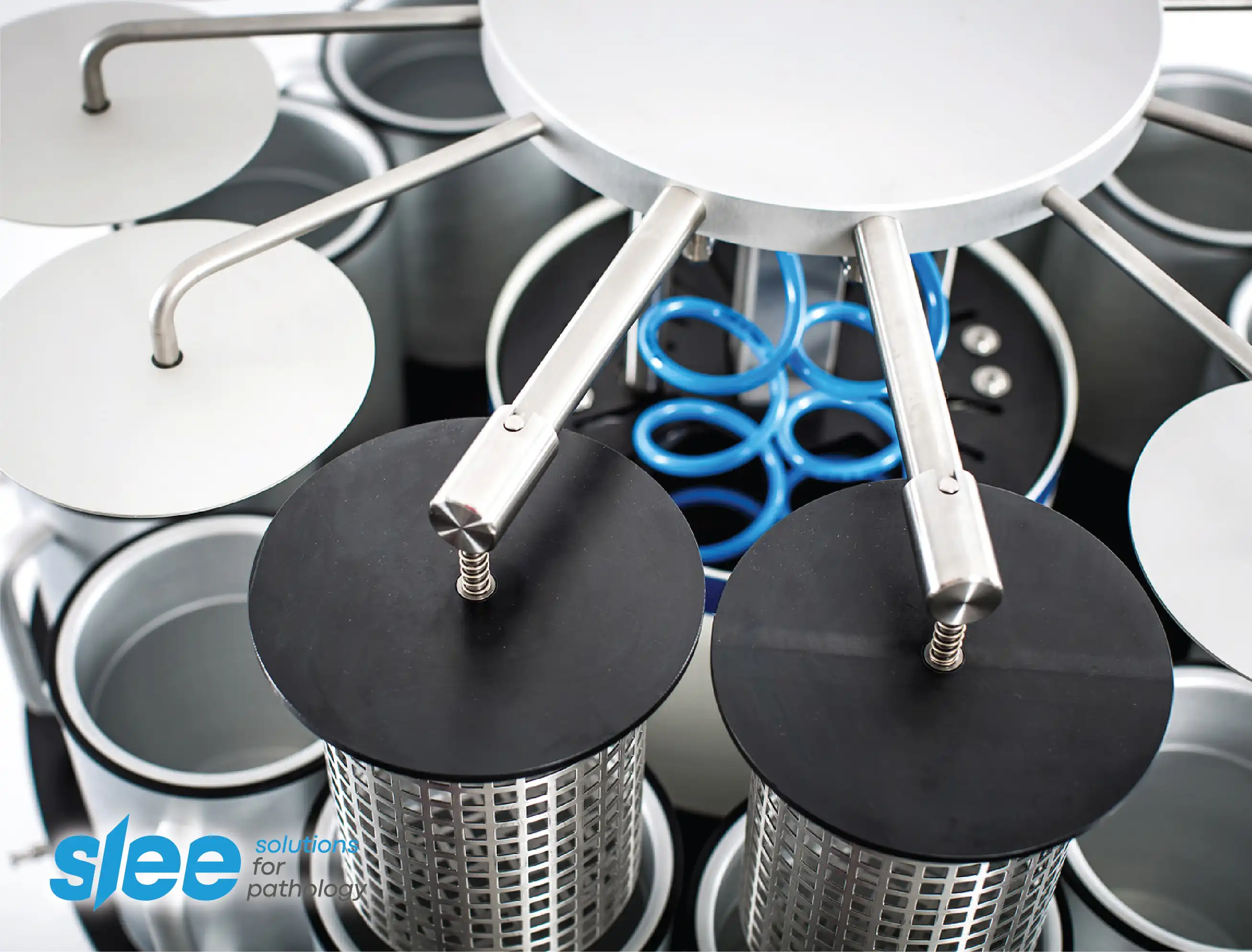
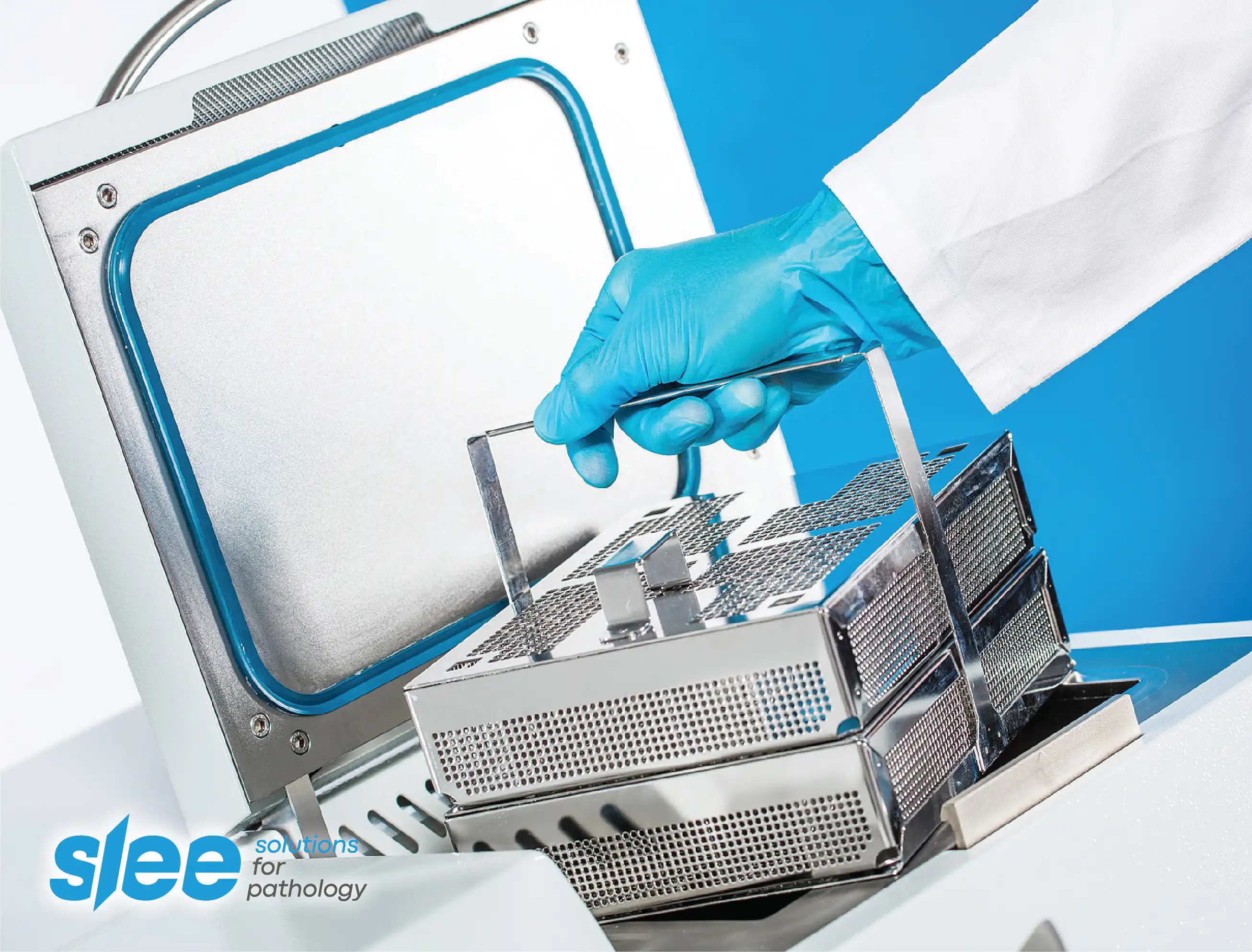
The equipment is built for maximum efficiency and high specimen turnover. The throughput capacity is designed to accommodate substantial loads per run, addressing the needs of high-volume laboratories. By incorporating optional dual-capacity transport baskets (TWIN basket) and organizational cartridges, the total number of cassettes processed in a single cycle can be significantly increased, supporting high-volume overnight batch processing and high-speed biopsy procedures.
Integrated Safety and Uninterruptible Power
Process safety is a paramount feature, guaranteed by an integrated uninterruptible power supply (UPS). This critical battery backup system ensures that the processing cycle is maintained without interruption even during environments with frequent power failures, thereby protecting valuable tissue samples from being damaged or requiring reprocessing due to unexpected system shutdown.
Vacuum and Pressure Processing Principles
Certain processors utilize a pressure/vacuum principle to significantly enhance the speed and efficacy of reagent penetration into the tissue. By alternating vacuum cycles (reducing pressure) and pressure cycles (increasing pressure), reagents are driven into the tissue matrix more uniformly and rapidly than in atmospheric processors. This method is instrumental in achieving shorter processing times, particularly vital for fast biopsy processing protocols.
Reagent Management and Optimization
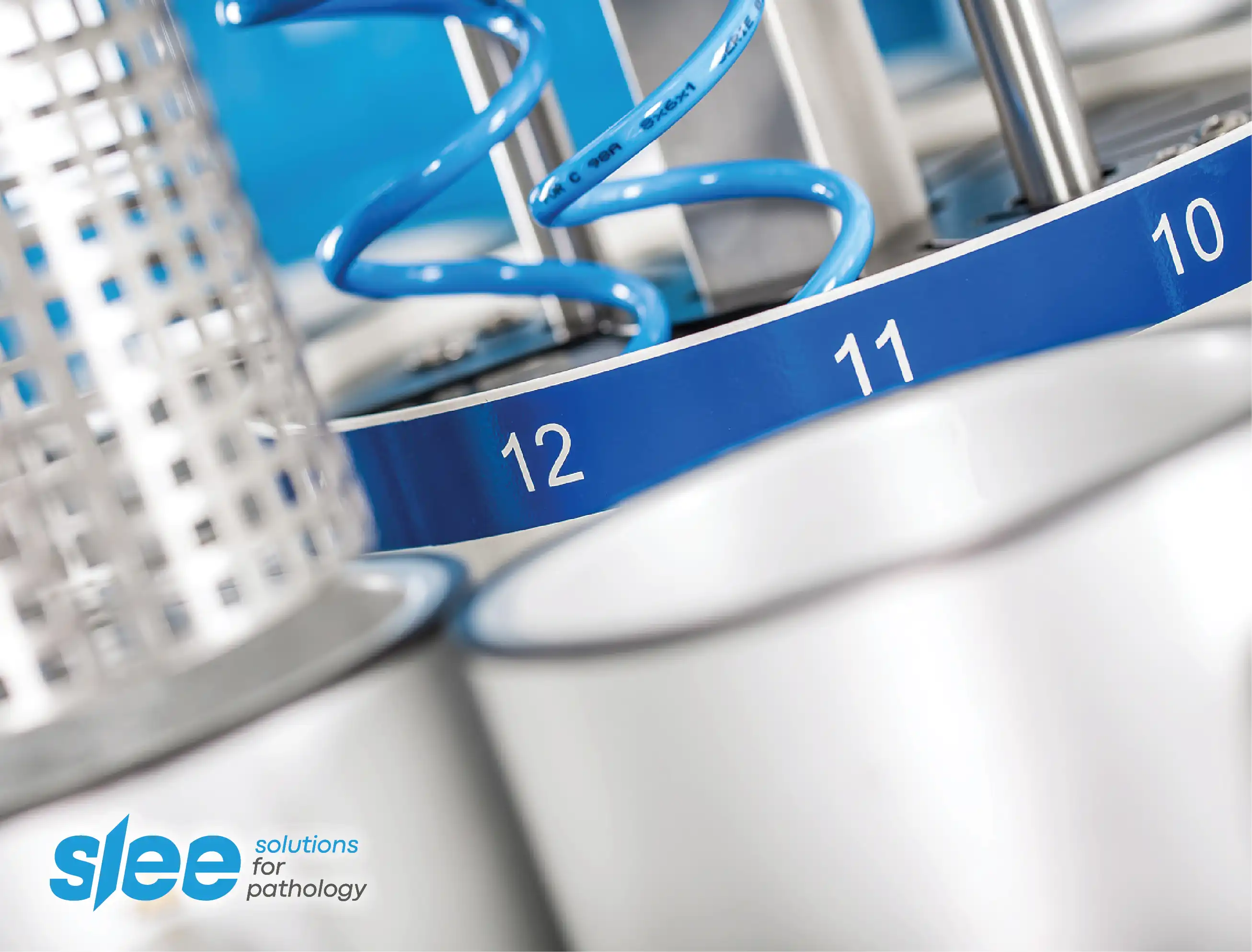
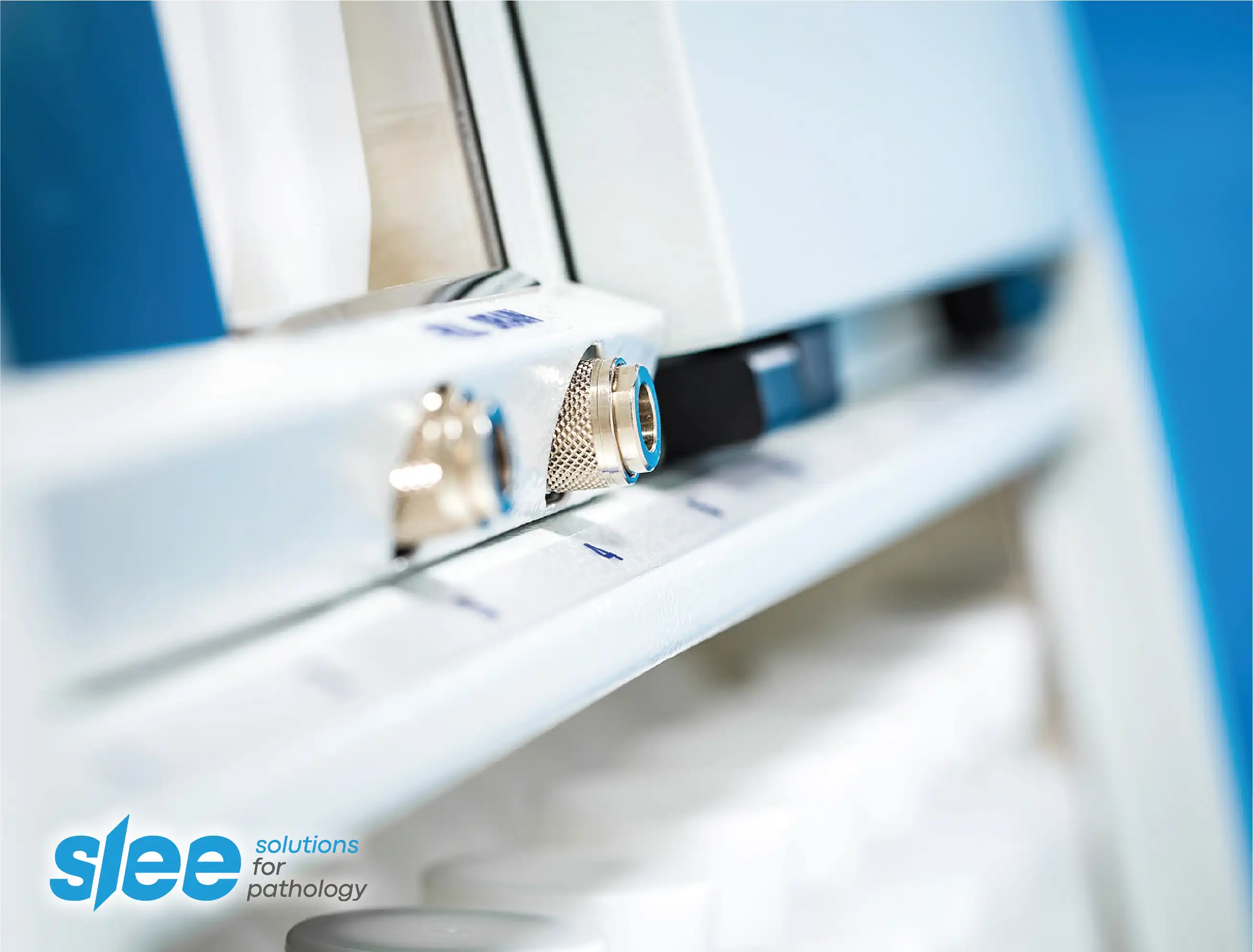
The efficient utilization of chemical resources is supported by optimized system design. The processors manage multiple reagent beakers (made from durable materials like plastic or aluminum) and heated paraffin beakers. Advanced systems incorporate fully automatic reagent management and optimized cleaning cycle routines, which are fundamental for achieving higher cost-efficiency and maximizing the turnover capacity of the instrument.
Exhaust and Ventilation Management
To ensure a safer working environment and comply with laboratory safety protocols, the processors are designed as closed cycle systems. Furthermore, optional accessories include sophisticated exhaust fan systems equipped with carbon filters. This ventilation mechanism actively filters harmful fumes and vapors produced by reagents during processing, thereby ensuring charcoal filter supported ventilation and minimizing operator exposure.
System Accessories and Material Construction
The standard and optional components are manufactured from materials chosen for durability and chemical resistance. Stainless steel is used for transport baskets, ensuring longevity and resistance to processing chemicals. Aluminum is utilized for heated paraffin beakers due to its thermal properties. Optional accessories, such as specialized vacuum units (for paraffin or combined reagent/paraffin use) and remote alarm modules, allow laboratories to customize the system for maximum operational reliability and specialized use.
Read more about Slee Products Here