
Home » Products » Chromatography/Mass Spectrometry » Elemental Analysis » Shimadzu Inductively Coupled Plasma Atomic Emission Spectroscopy
Inductively Coupled Plasma Atomic Emission Spectroscopy
|
Global Standards in Elemental and Molecular Precision


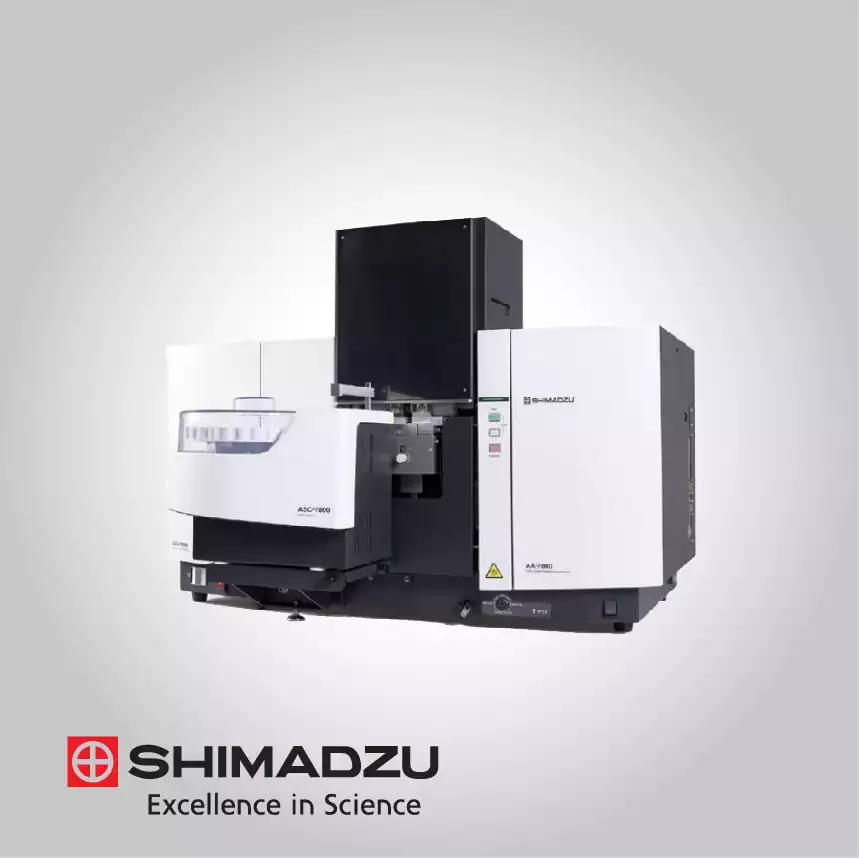
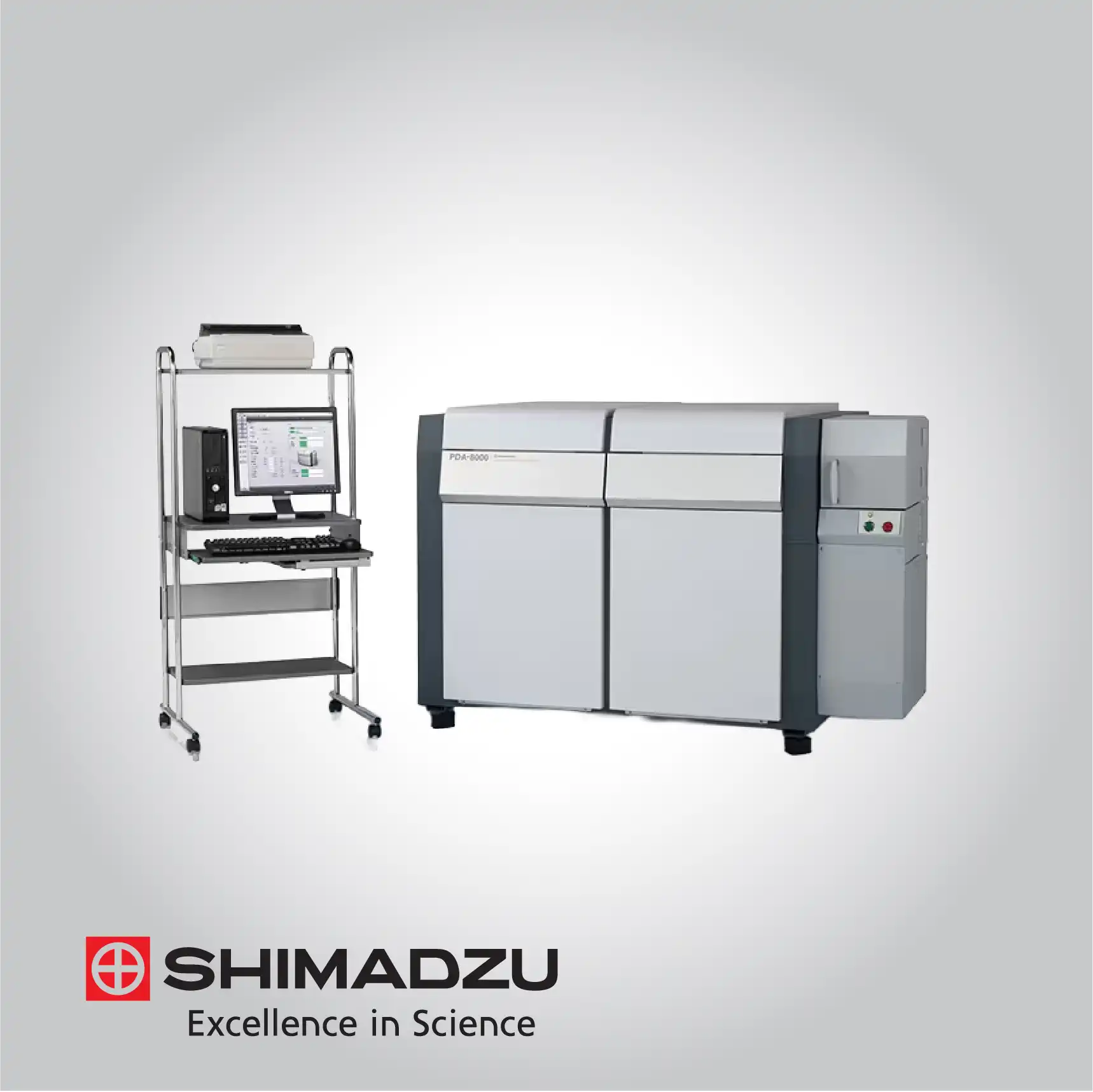
Shimadzu Inductively Coupled Plasma Atomic Emission Spectroscopy
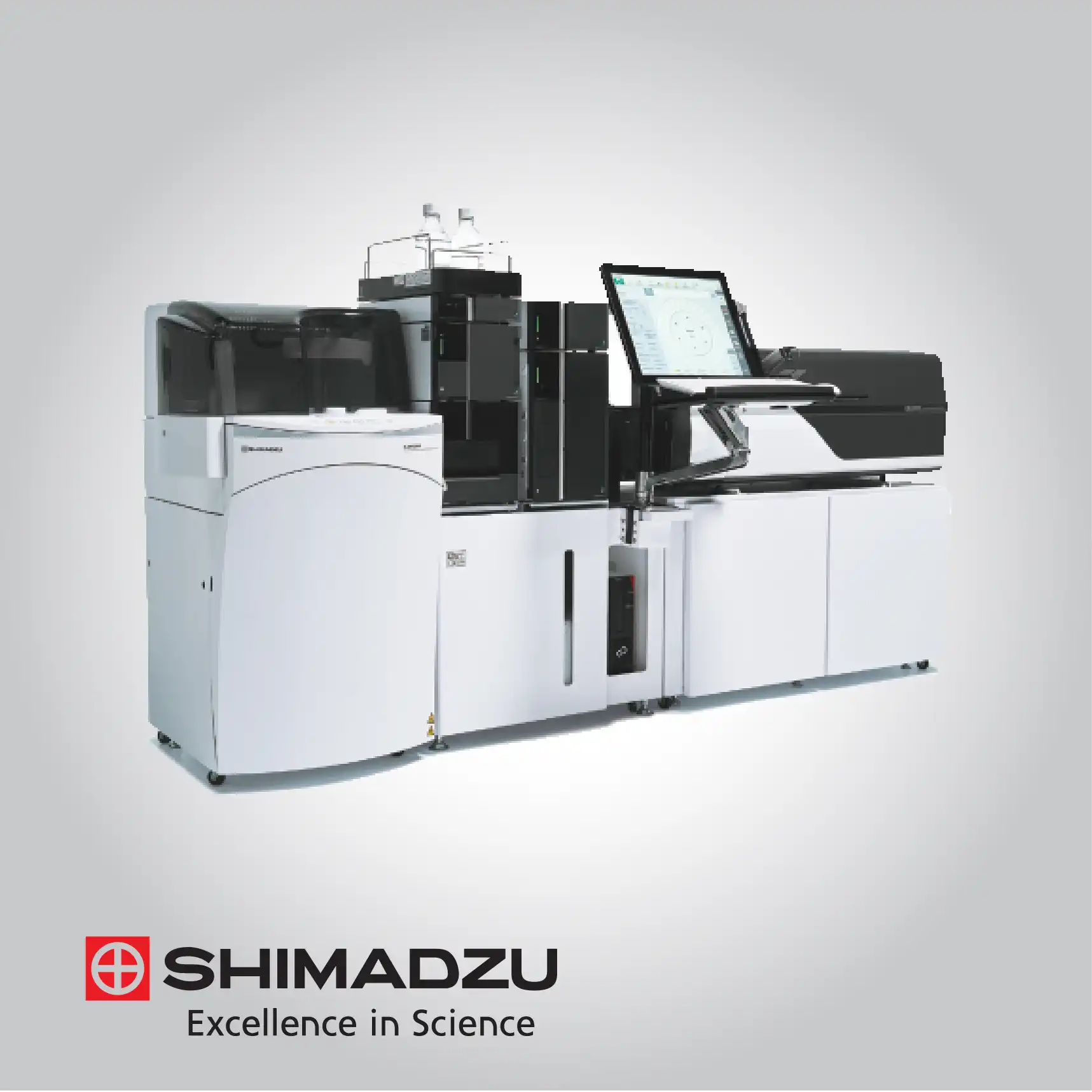
Shimadzu’s analytical philosophy focuses on the technical synergy between high-sensitivity detection hardware and intelligent software management to address the challenges of modern laboratory environments. This is particularly evident in their Inductively Coupled Plasma (ICP) and Mass Spectrometry (MS) platforms, where vacuum-stable optics and high-frequency energy sources work in tandem to provide exceptionally low detection limits for trace elements and complex molecules.
By incorporating "Analytical Intelligence" features such as automated method optimization, real-time diagnostic monitoring, and eco-friendly gas reduction modes, Shimadzu provides a robust technical framework that maximizes throughput while minimizing the environmental and financial costs of operation.
High-Performance Simultaneous Multi-Element Detection
Shimadzu's ICP-OES systems are technically designed for the simultaneous detection of multiple elements, drastically reducing analysis time compared to sequential systems. By utilizing a large-format CCD or CID detector, the instrument captures the entire wavelength spectrum in a single exposure. This capability allows for the qualitative and quantitative determination of major, minor, and trace elements within a single sample run, ensuring that laboratories can process high volumes of samples without compromising data quality or spectral resolution.
Advanced Vacuum Optical System for Far-UV Sensitivity
The spectrometers feature a precision-engineered vacuum optical system that eliminates the need for expensive high-purity purge gases. Technically, by maintaining the optics in a vacuum, the system allows for the high-sensitivity detection of elements with emission lines in the far-vacuum ultraviolet (VUV) region, such as Phosphorus, Sulfur, and Boron. This design ensures long-term stability and reduces the risk of contamination or signal attenuation caused by atmospheric oxygen or moisture within the light path.
Eco-Friendly Plasma and Gas-Saving Technology
To address the high operational costs associated with argon consumption, Shimadzu incorporates eco-friendly plasma technologies. Technically, these systems utilize a "Mini-Torch" design and an "Eco Mode" that reduces the flow rate of argon during standby and analysis. This innovation significantly lowers the total cost of ownership while maintaining a stable, high-temperature plasma capable of efficiently desolvating and ionizing complex sample matrices, ranging from aqueous solutions to organic solvents.
Dual View Capability for Axial and Radial Observation
The technical architecture supports "Dual View" plasma observation, combining axial and radial views to optimize sensitivity and dynamic range. Axial observation provides the high sensitivity required for trace-level detection by looking down the length of the plasma, while radial observation looks across the plasma to minimize interferences and accurately measure high-concentration elements. The software automatically selects the optimal view for each element, ensuring linear calibration curves across several orders of magnitude.
Robust Sample Introduction and Nebulization Systems
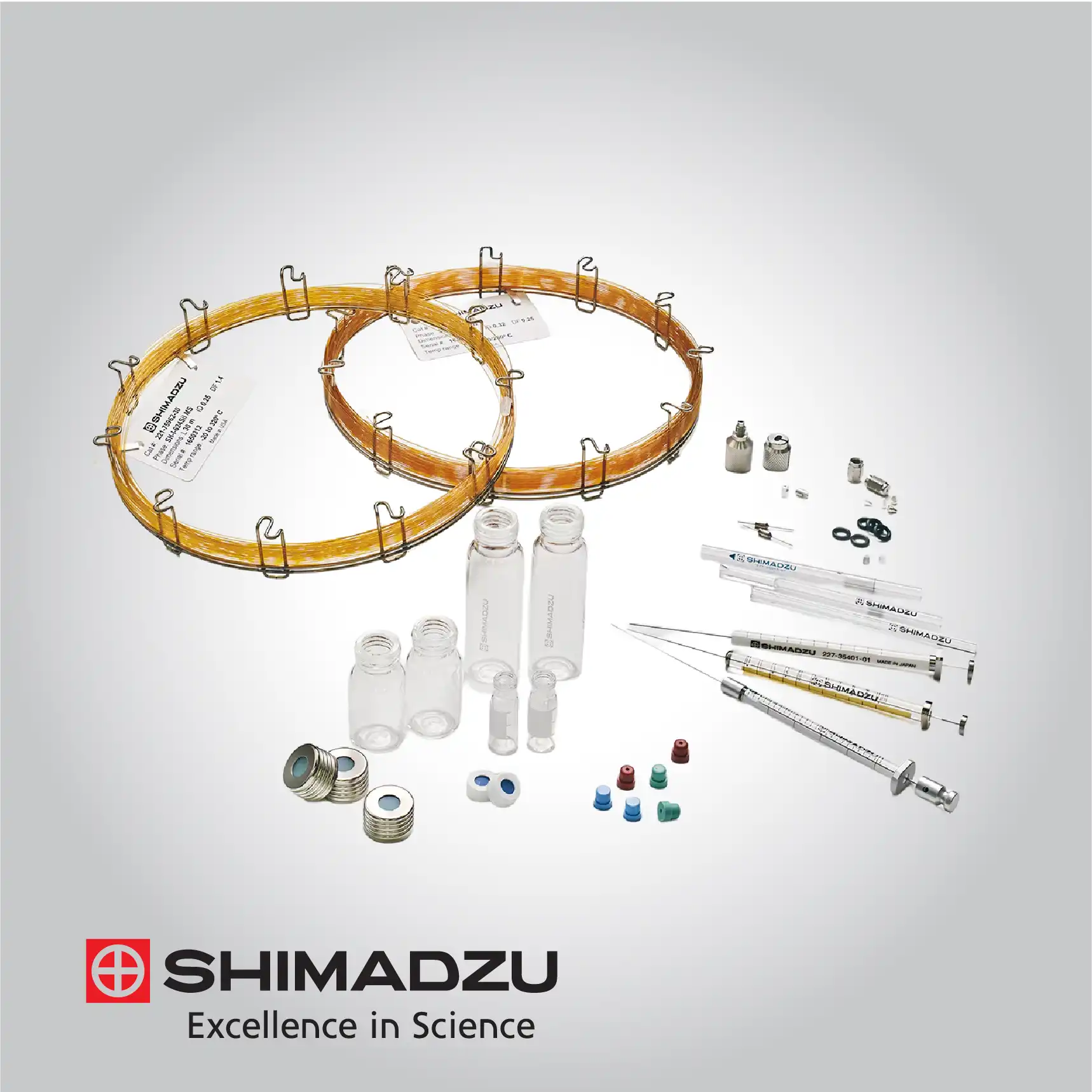
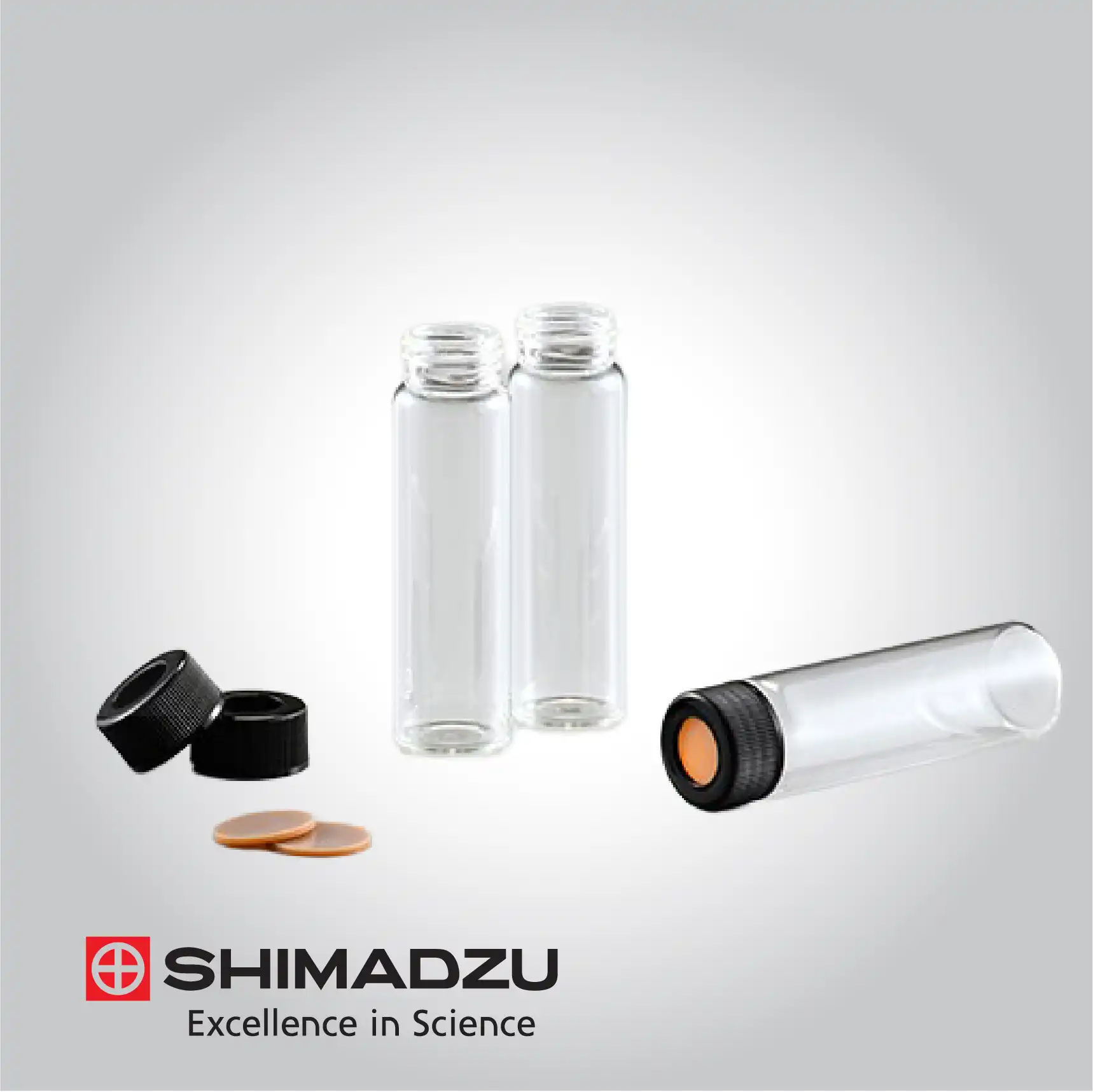
Shimadzu provides a variety of sample introduction accessories tailored for different chemical matrices. This includes high-efficiency nebulizers and spray chambers designed for high-salt content, hydrofluoric acid digests, or volatile organic solvents. Technically, these components are engineered to provide a fine, consistent aerosol to the plasma torch, ensuring stable emission signals and minimizing the risk of clogging or memory effects during long analytical sequences in high-throughput laboratories.
Intelligent Software and Automated Method Development
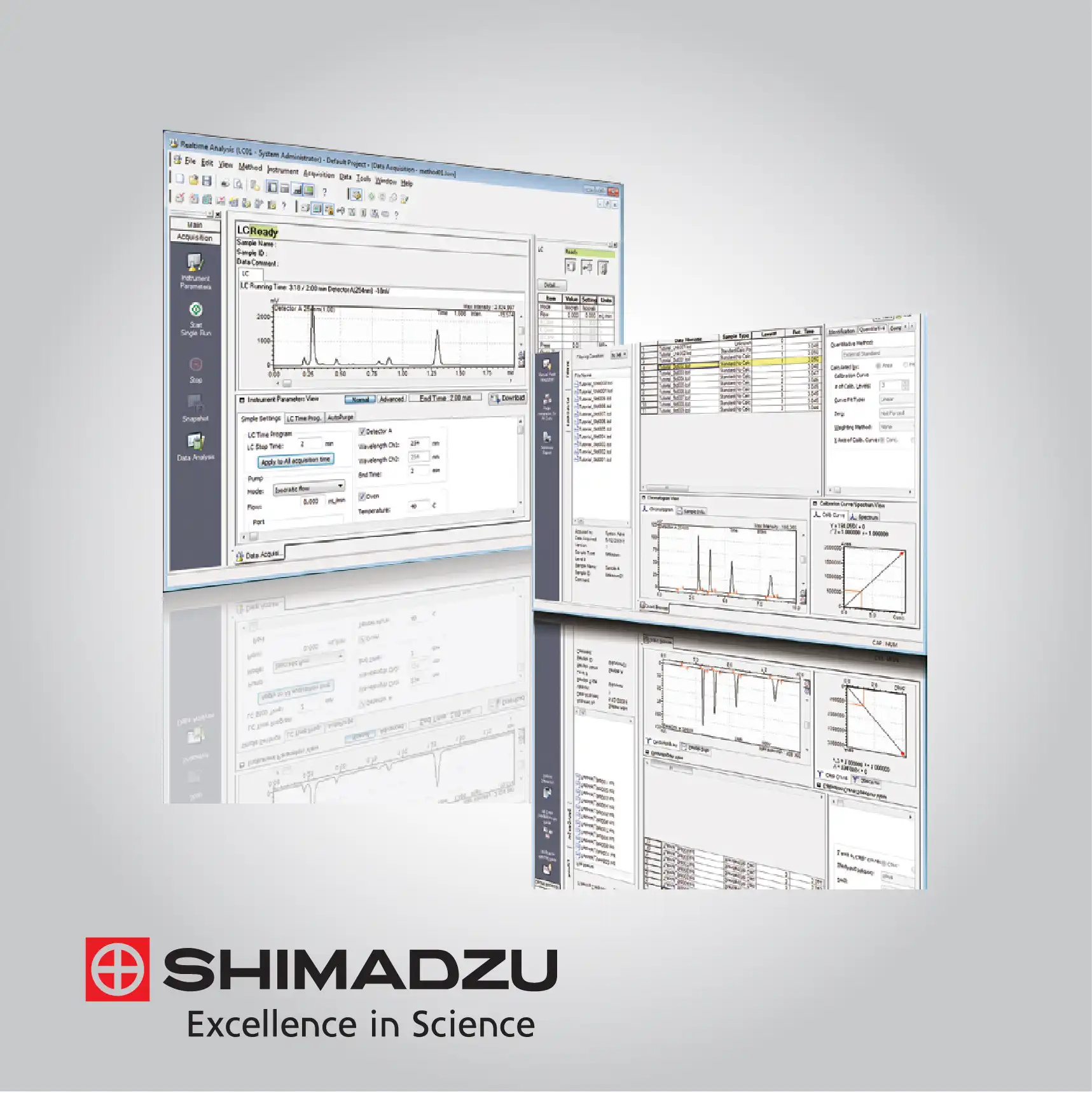
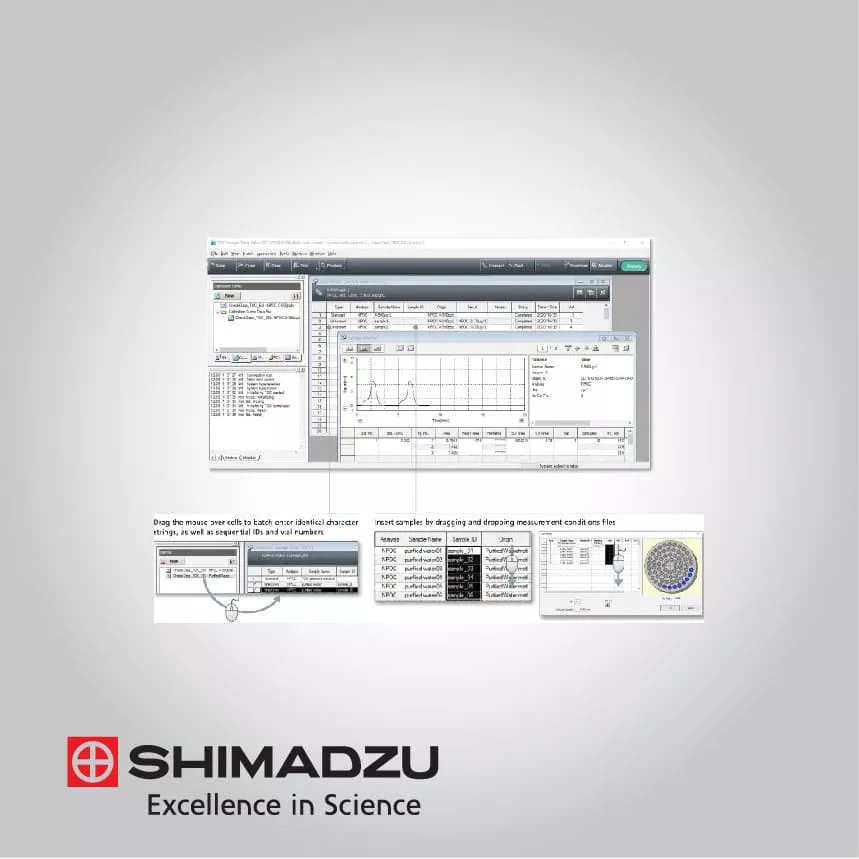
The ICP-AES systems are powered by sophisticated software that incorporates "Smart Assist" functions. Technically, this includes an automated wavelength selection tool that identifies potential spectral interferences based on the sample matrix. The software also features an "Assistant" function that automatically creates optimized measurement methods, including plasma conditions and rinse times, allowing even novice users to obtain professional-grade analytical results with minimal manual intervention.
High-Resolution Detection and Interference Correction
To manage complex spectra, Shimadzu utilizes high-resolution detectors combined with advanced background correction algorithms. Technically, the system can distinguish between closely spaced emission lines, which is critical when analyzing samples rich in transition metals or rare earth elements. The software provides multiple correction techniques, such as Off-Peak Background Correction and Inter-Element Correction (IEC), ensuring that the reported concentrations are accurate and free from spectral overlaps.
Integrated Diagnosis and Remote Monitoring
To ensure maximum instrument uptime, the systems include integrated self-diagnostic tools and remote monitoring capabilities. Technically, the software continuously monitors critical parameters such as gas pressures, coolant temperatures, and plasma stability. In the event of an anomaly, the system provides detailed error reports and maintenance guidance. Remote monitoring allows laboratory managers to check the analysis status and results from any networked device, enhancing operational flexibility and safety.
Click here for more information about Shimadzu range of products