
Home » Products » Chromatography/Mass Spectrometry » Elemental Analysis » Shimadzu Inductively Coupled Plasma Mass Spectrometry
ICP Mass Spectrometers
|
An Era Without Compromise
.webp)


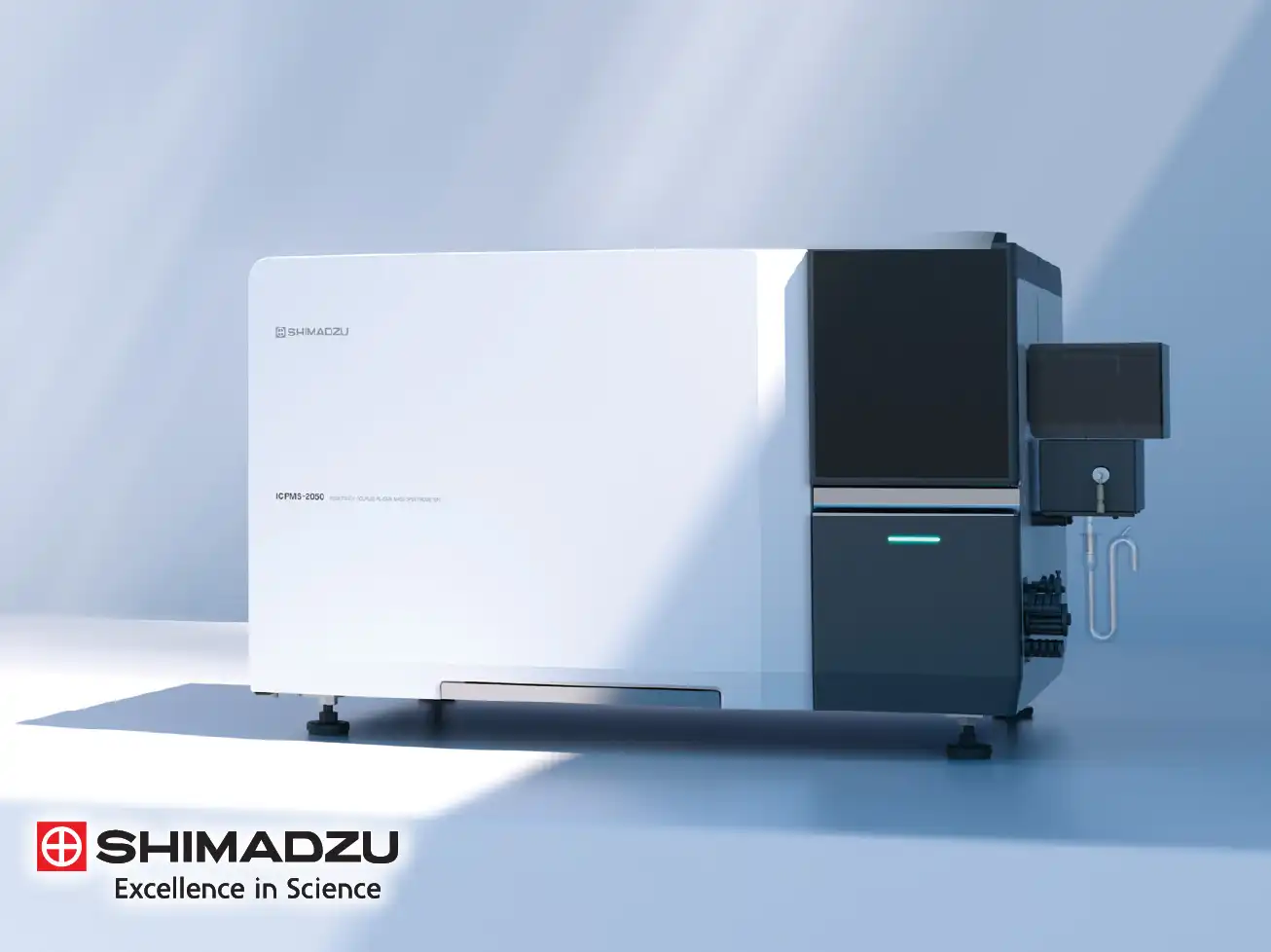
Shimadzu Inductively Coupled Plasma Mass Spectrometry
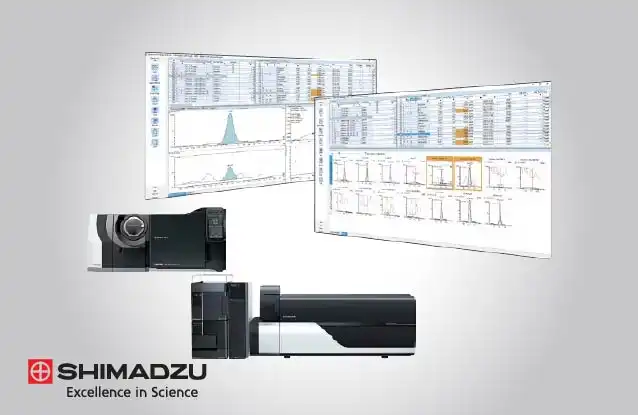
Shimadzu’s ICP-MS platform is technically founded on the principle of "Analytical Intelligence," which bridges the gap between sophisticated hardware and complex data requirements. This ecosystem is designed to automate the most labor-intensive aspects of elemental analysis, from the initial plasma ignition and stability checks to the final reporting of trace concentrations.
Technically, the system's ability to maintain ultra-low detection limits across diverse matrices is supported by a combination of high-precision mass filtration and a robust multi-stage vacuum system. By integrating automated method development tools and real-time diagnostic monitoring, the software ensures that laboratories can achieve high throughput while maintaining strict adherence to global data integrity standards.
Advanced Interference Removal via Collision/Reaction Cells
Shimadzu’s ICP-MS is technically engineered with a sophisticated collision/reaction cell that effectively suppresses polyatomic interferences. By introducing helium as a collision gas, the system utilizes Kinetic Energy Discrimination (KED) to filter out larger polyatomic ions. For more complex spectral overlaps, reaction gases like hydrogen can be used to target specific interferences via chemical reactions. This ensures high-accuracy measurement of elements such as Arsenic and Selenium in challenging matrices.
Eco-Friendly Mini-Torch and Argon Conservation
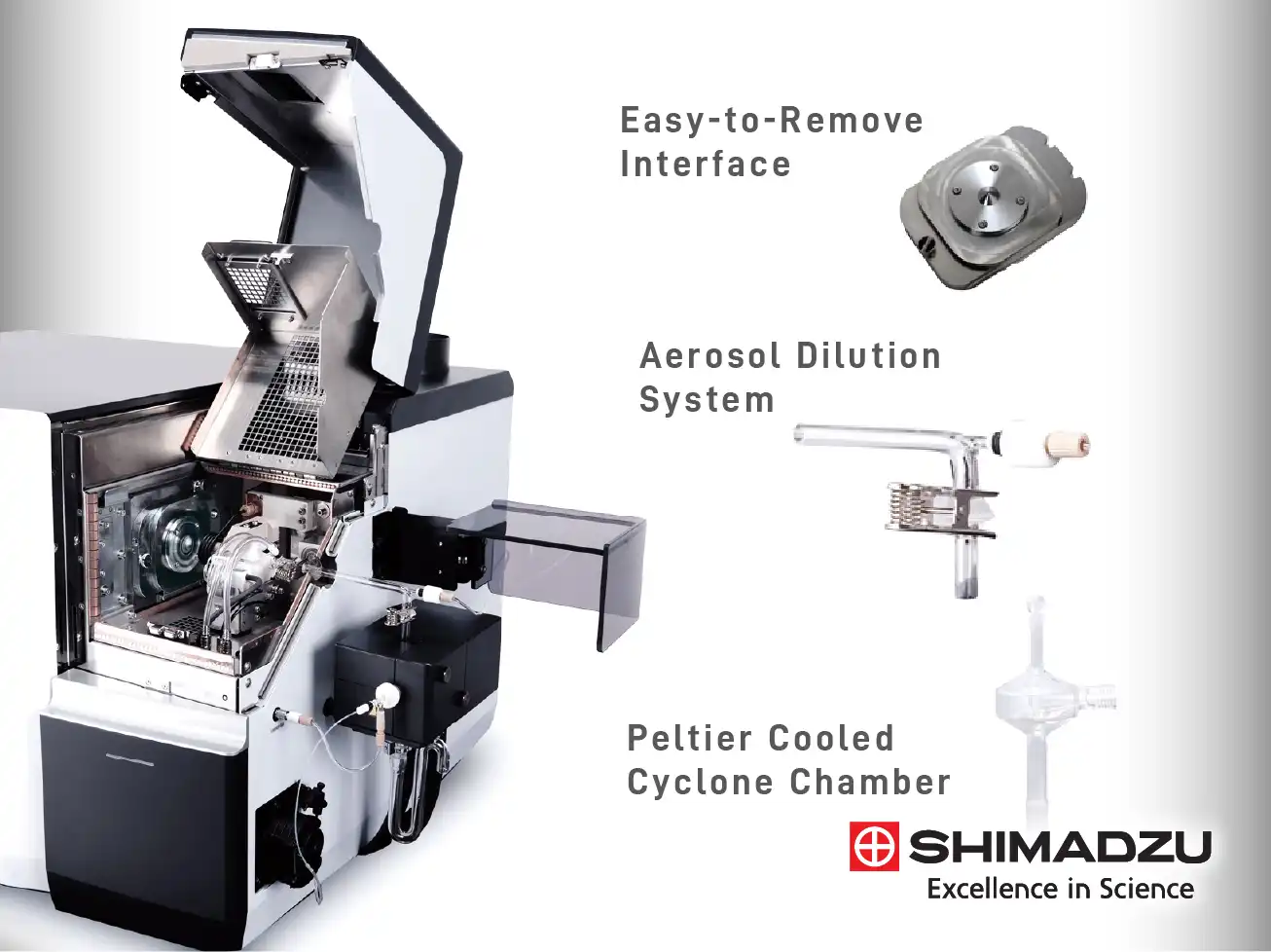
The system incorporates a specialized mini-torch design that technically optimizes plasma stability while significantly reducing gas consumption. By utilizing a narrower torch geometry, the instrument maintains the high temperatures required for efficient ionization at a fraction of the argon flow rate used in conventional systems. This innovation lowers the total cost of ownership and minimizes the environmental footprint of the laboratory without sacrificing sensitivity.
High-Efficiency Ion Optics and Octupole Ion Guide
The internal ion path is optimized with precision-engineered optics and an octupole ion guide. Technically, this configuration ensures high ion transmission efficiency and stable focusing across the entire mass range. The octupole design provides a superior ion confinement field compared to quadrupoles, leading to improved signal-to-noise ratios and enabling the ultra-trace detection limits (parts-per-trillion) required for semiconductor and clinical applications.
Quadrupole Mass Filter and High-Speed Scanning
At the heart of the mass spectrometer is a high-precision quadrupole mass filter. Technically, it is designed for rapid mass switching and high resolution, allowing the system to distinguish between isotopes with minimal mass bias. The high-speed scanning capability ensures that transient signals from laser ablation or liquid chromatography hyphenation are captured with high temporal resolution, providing accurate multi-elemental data in dynamic processes.
Wide Dynamic Range Detection System
The detection system is technically capable of covering nine orders of magnitude in concentration within a single run. By automatically switching between pulse-counting and analog modes, the detector can quantify trace-level contaminants alongside major components. This eliminates the need for multiple sample dilutions, streamlining the workflow for pharmaceutical and environmental laboratories that handle samples with varying elemental concentrations.
Smart Assist for Automated Method Development
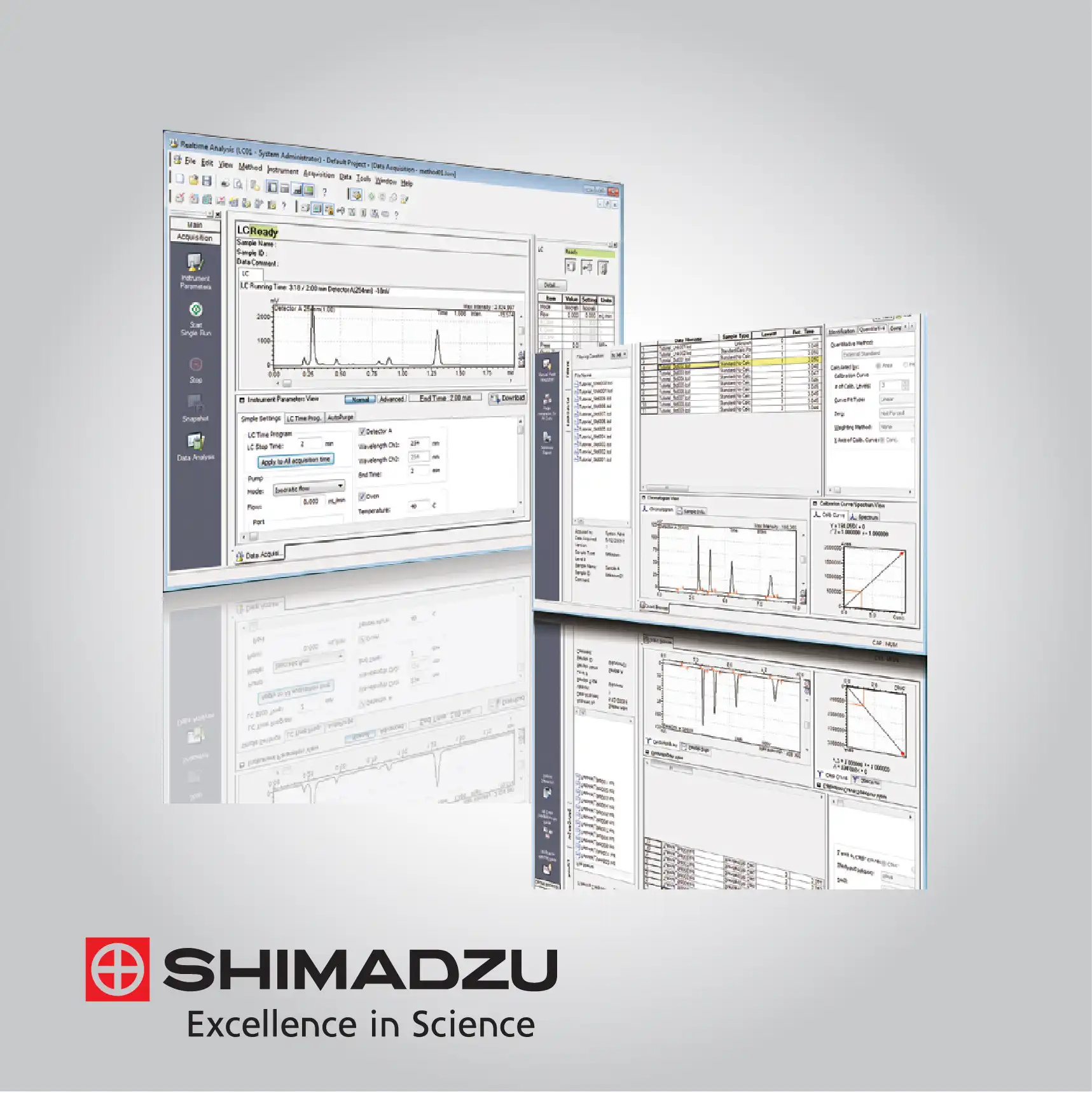
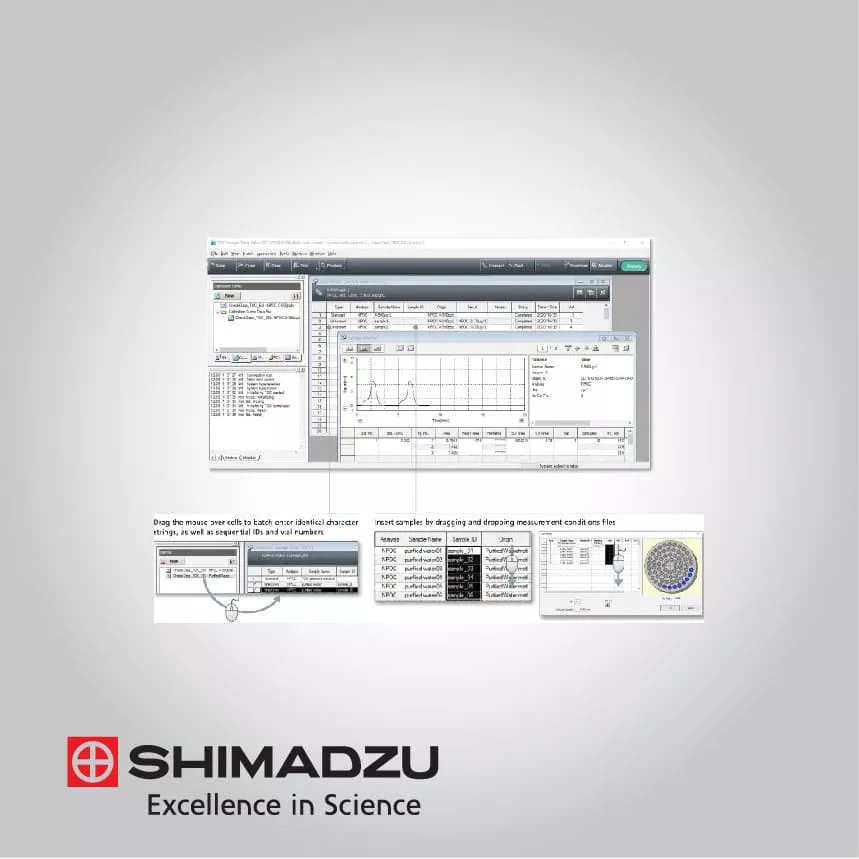
The "Smart Assist" software feature provides a technical advantage by automating the creation of analytical methods. It includes an "Instruction Wizard" that recommends the best isotopes and collision cell settings based on the sample matrix. This automated approach reduces the risk of human error in method setup and ensures that even less-experienced operators can achieve high-quality, reproducible results in complex elemental analysis.
Robust Multi-Stage Vacuum System
To maintain the integrity of the mass analyzer, the instrument is equipped with a high-capacity, multi-stage vacuum system. Technically, this involves powerful turbomolecular pumps that achieve the ultra-high vacuum necessary for ion flight. The system's design ensures rapid pump-down times and maintains vacuum stability even during the introduction of high-matrix samples, preventing detector contamination and ensuring long-term sensitivity.
Integrated Maintenance Monitoring and Diagnostics
The ICP-MS platform features "Analytical Intelligence" that technically monitors the status of all consumable parts in real-time. The software tracks the usage of the interface cones, peristaltic pump tubing, and the plasma torch, providing proactive maintenance alerts. This integrated diagnostic system ensures the instrument operates under optimal conditions, preventing unexpected downtime and maintaining the precision required for high-stakes industrial testing.
Click here for more information about Shimadzu range of products