
Screening System
|
Scalable Multi-Batch Screening for Process Optimization
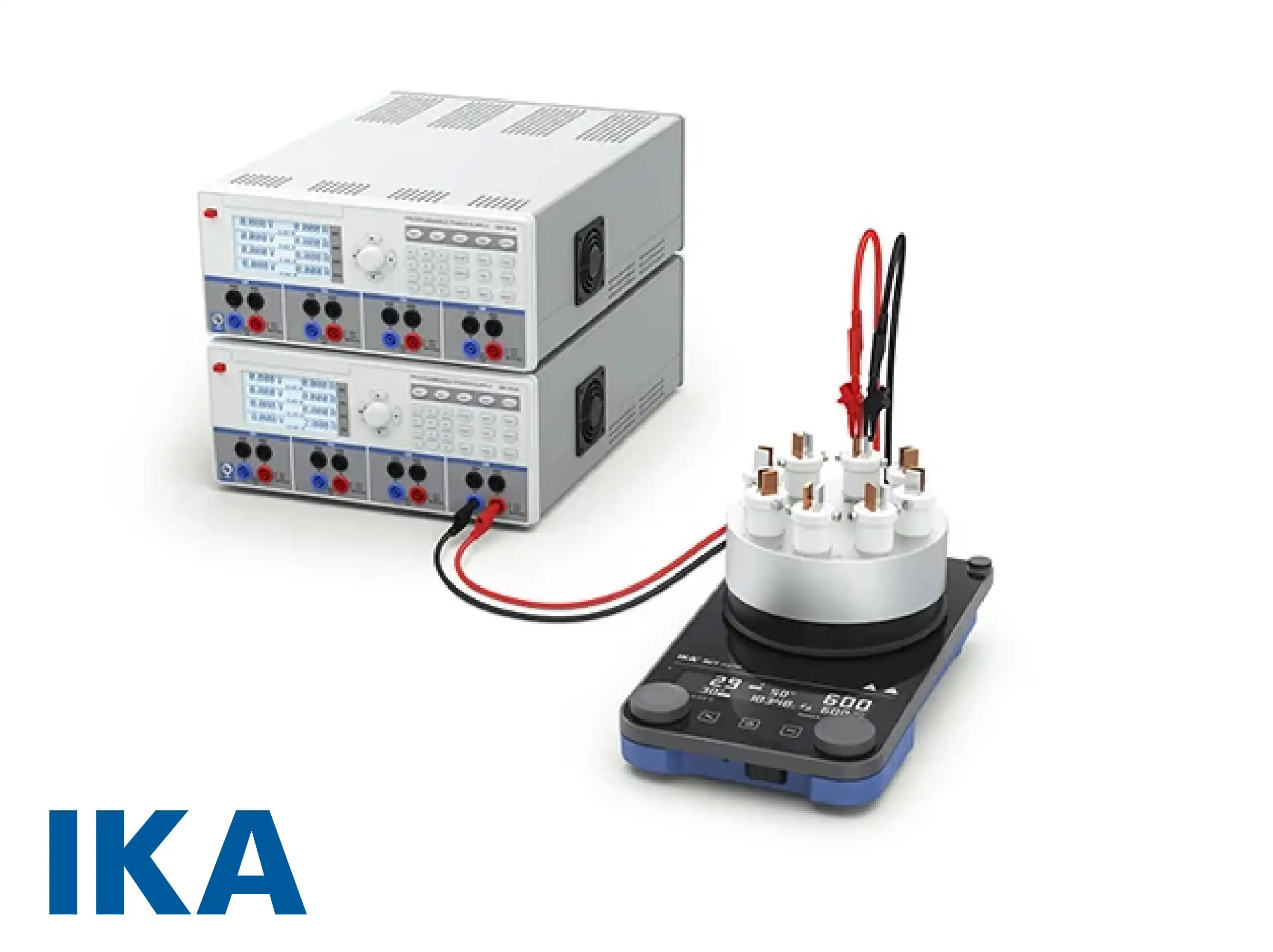


IKA Screening System
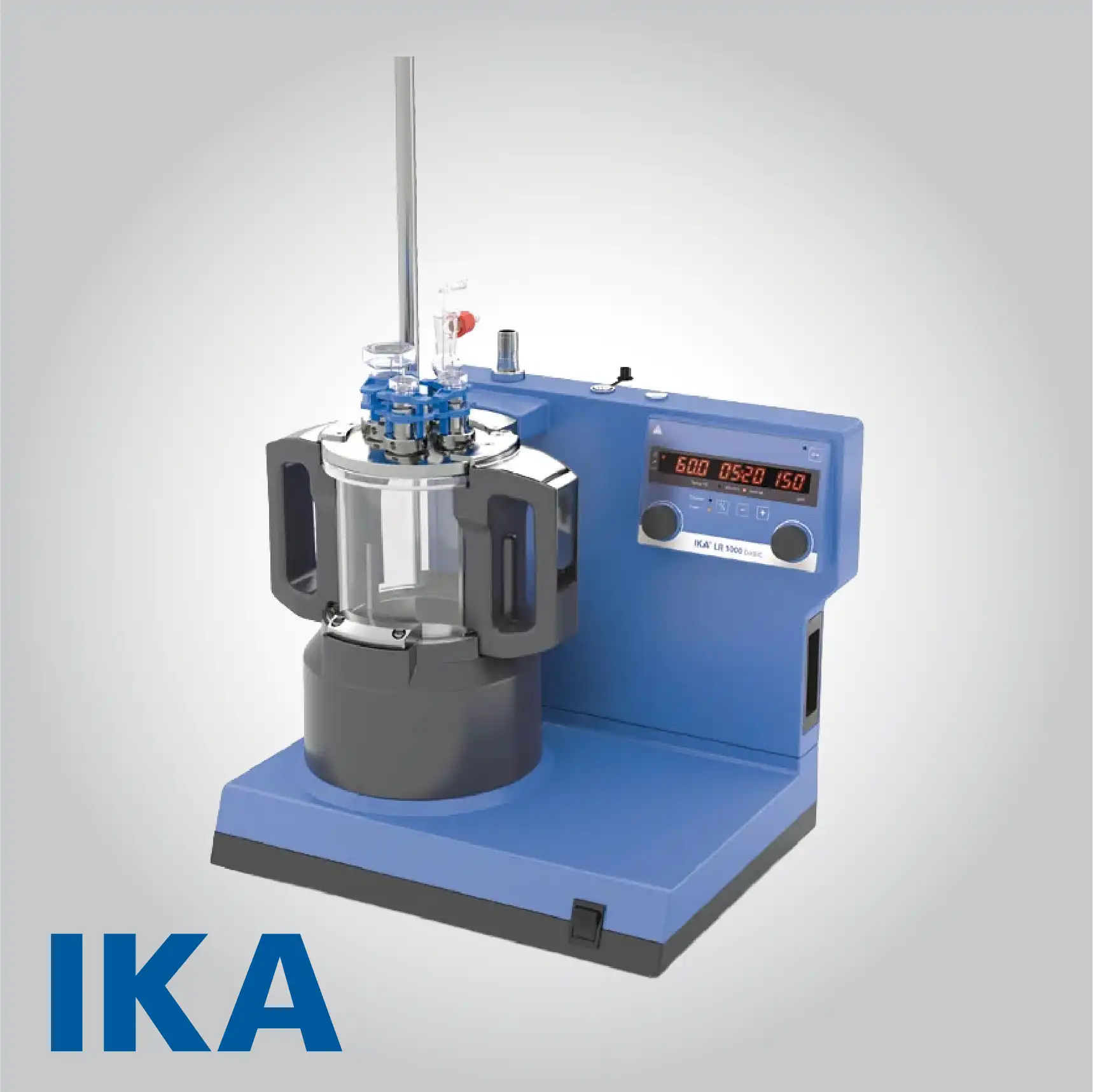
The technical architecture of the system emphasizes modularity and precise data acquisition. Each reaction cell can be customized with a variety of electrode materials and volumes, supporting both constant current and constant voltage modes. Furthermore, the system is designed to interface with advanced laboratory software, allowing for real-time monitoring of current, voltage, and temperature across all channels.
This level of technical integration facilitates the rapid identification of optimal reaction parameters, ensuring that the results obtained during the screening phase are reproducible and scalable for larger-scale preparative synthesis.
Parallel Processing for Accelerated Reaction Optimization
Technically, the screening system enables the simultaneous execution of multiple reactions, which is essential for statistical experimental design. By running eight cells in parallel, researchers can evaluate several variables in a single run. This parallelization technically eliminates the variability introduced by running sequential experiments on different days, ensuring that all samples are exposed to the same ambient conditions and technical parameters, thereby increasing the reliability of the comparative data.
Individual Channel Control in Electrosynthetic Screening
The system is technically designed to provide independent or synchronized control over each reaction channel. In the electrosynthesis configuration, the system can operate in either constant current (galvanostatic) or constant voltage (potentiostatic) modes. This technical flexibility allows for the rapid screening of redox potentials across different substrates. Each cell can be individually monitored to ensure that the electron transfer process is optimized for maximum chemoselectivity and yield without interfering with neighboring cells.
Thermal Management and Temperature Uniformity
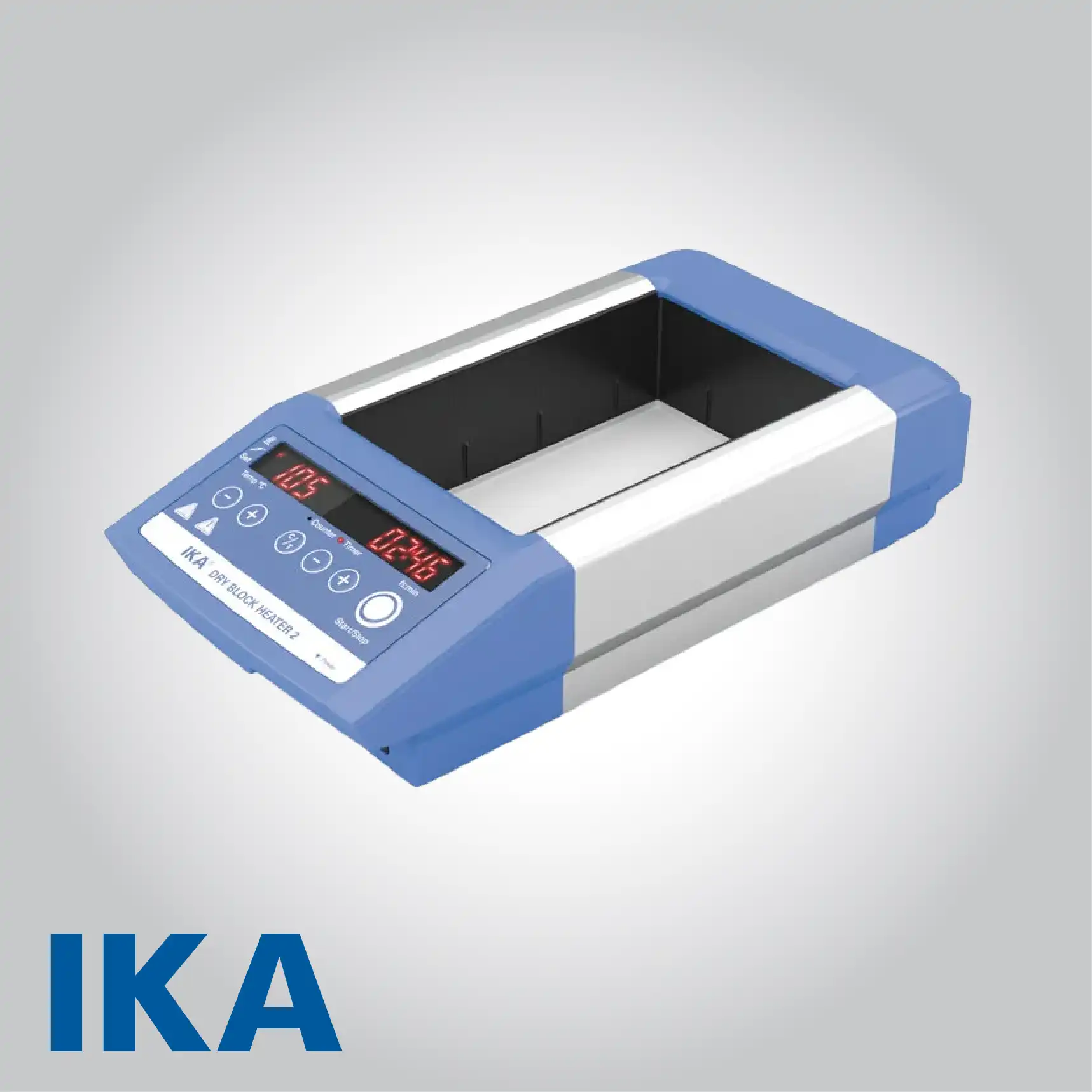
Thermal control is a critical technical component of the screening system, which can operate within a wide temperature range. The system utilizes a high-precision heating block that ensures temperature uniformity across all reaction vials. Technically, this prevents thermal gradients that could lead to inconsistent reaction rates between cells. By maintaining a stable thermal environment, researchers can accurately determine the activation energy of a reaction and identify the optimal temperature window for specific chemical transformations.
Modular Electrode and Vial Configurations
The system’s technical versatility is enhanced by its modular design, allowing for various vial sizes and electrode materials. Researchers can select from graphite, platinum, gold, or glassy carbon electrodes depending on the specific requirements of the reaction. Technically, the standardized geometry of the vials and electrode holders ensures that the electrode surface area and the distance between the anode and cathode remain constant. This standardization is vital for achieving reproducible current densities and minimizing ohmic resistance across all screening channels.
Integration with Digital Monitoring and Data Logging
Technically, modern screening requires a robust data acquisition system to track reaction progress. IKA’s screening system features an integrated interface that connects to laboratory software for real-time data logging. This allows for the continuous recording of current, voltage, and temperature throughout the reaction duration. The technical ability to visualize these parameters in real-time enables researchers to identify induction periods or sudden changes in resistance, providing deeper mechanistic insights into the reaction pathway.
Chemical Resistance and Hardware Durability
Given the exposure to aggressive organic solvents and corrosive electrolytes, the screening system is technically constructed from high-durability materials. The reaction blocks and vial holders are designed to resist chemical degradation, ensuring long-term reliability in a synthetic laboratory environment. Technically, the use of inert seals and high-quality electrical connectors prevents leakage and short circuits, protecting the sensitive electronic components of the potentiostat and ensuring operator safety during high-voltage operations.
Scalability and Method Transfer to Preparative Systems
A key technical advantage of this screening system is its ability to facilitate method transfer. The reaction conditions optimized in the small-scale screening vials can be technically scaled to larger preparative systems like the ElectraSyn platform. Because the fundamental electrochemical parameters are standardized within the IKA ecosystem, the transition from discovery to production is technically streamlined, reducing the need for extensive re-optimization at larger scales.
Safety Interlocks and Over-Current Protection
Safety is a paramount technical consideration in high-throughput electrochemical screening. The system is equipped with electronic safety interlocks that monitor the electrical integrity of each channel. Technically, if a short circuit or an unexpected surge in resistance is detected, the system automatically terminates the current to that specific cell. This technical safeguard prevents thermal runaway and protects the chemical samples from degradation, ensuring that the screening process remains safe and controlled even when running multiple high-energy reactions.
Click here for more information about IKA range of products