.webp)
Home » Products » General labs » Crushing » IKA Mills
Mills
|
Precision Grinding Technology for Analytical Sample Preparation
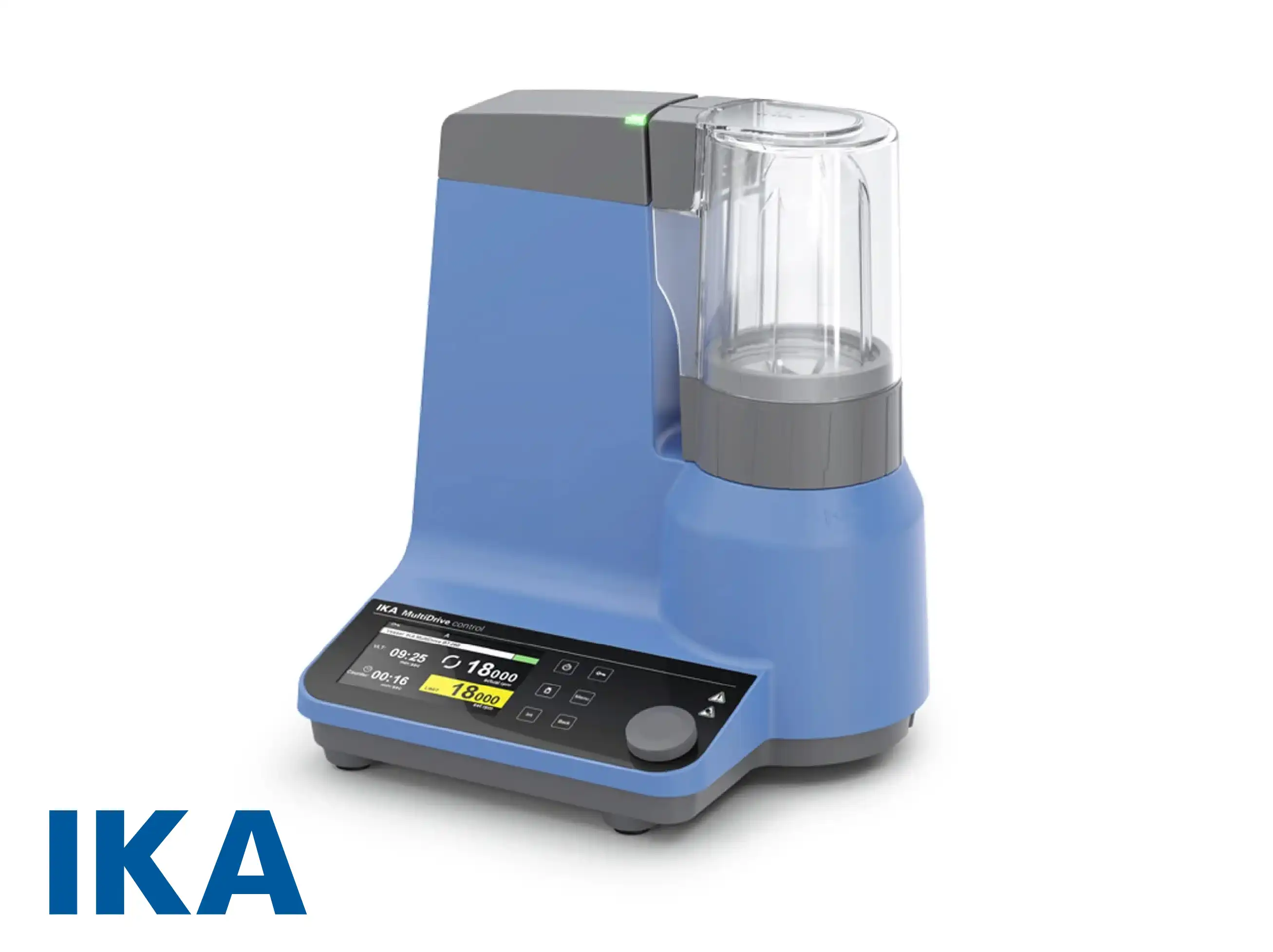
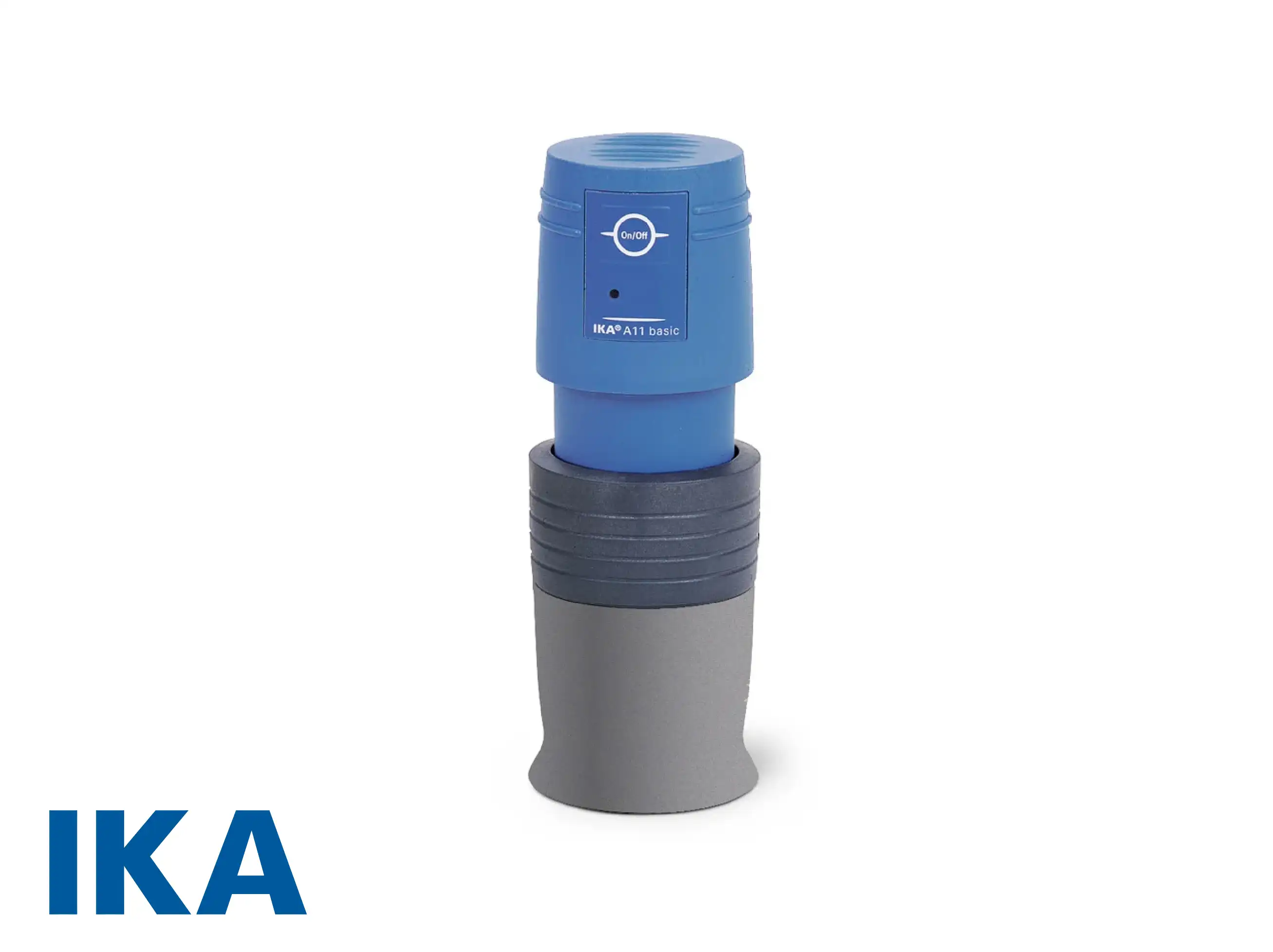
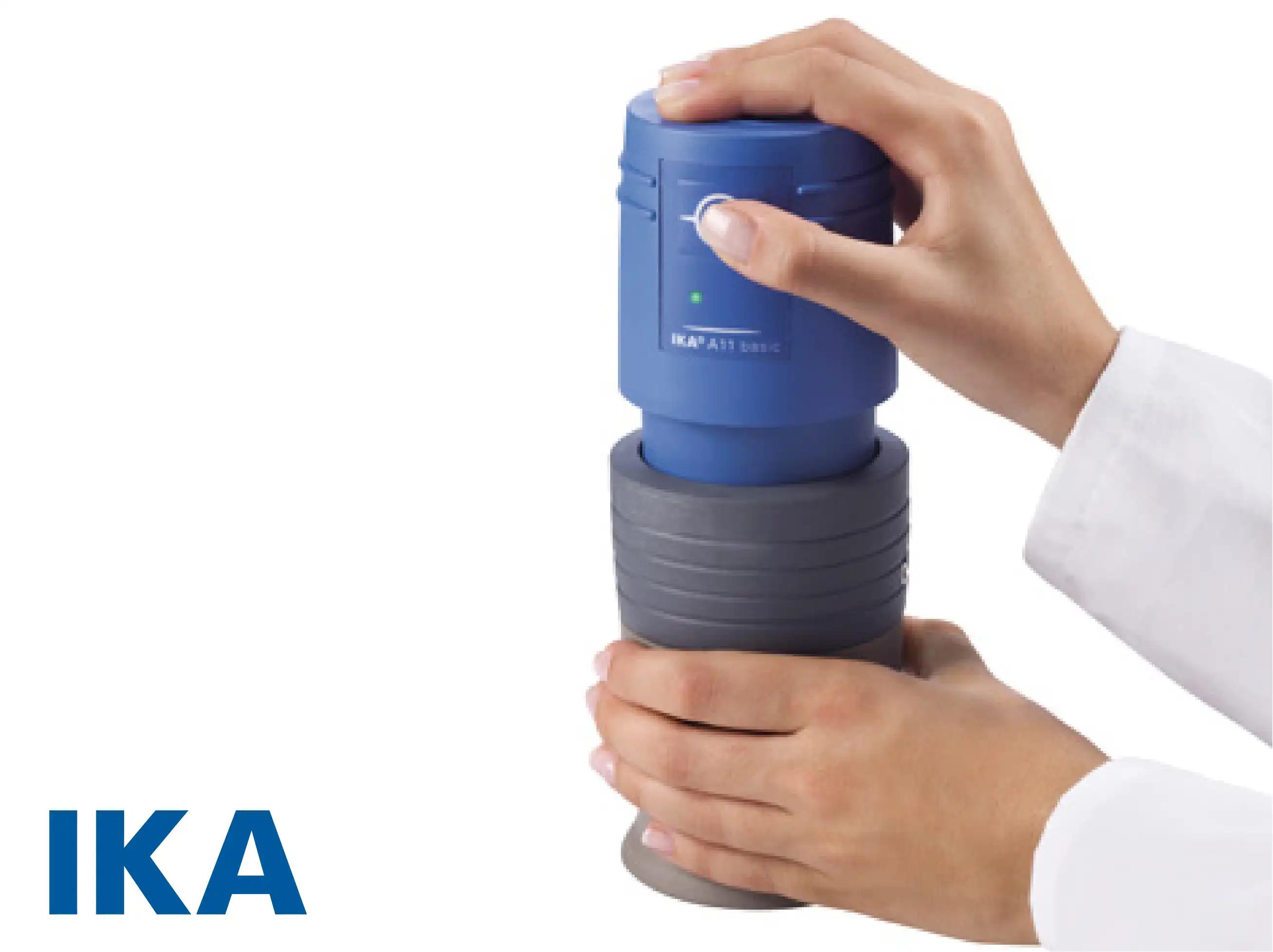
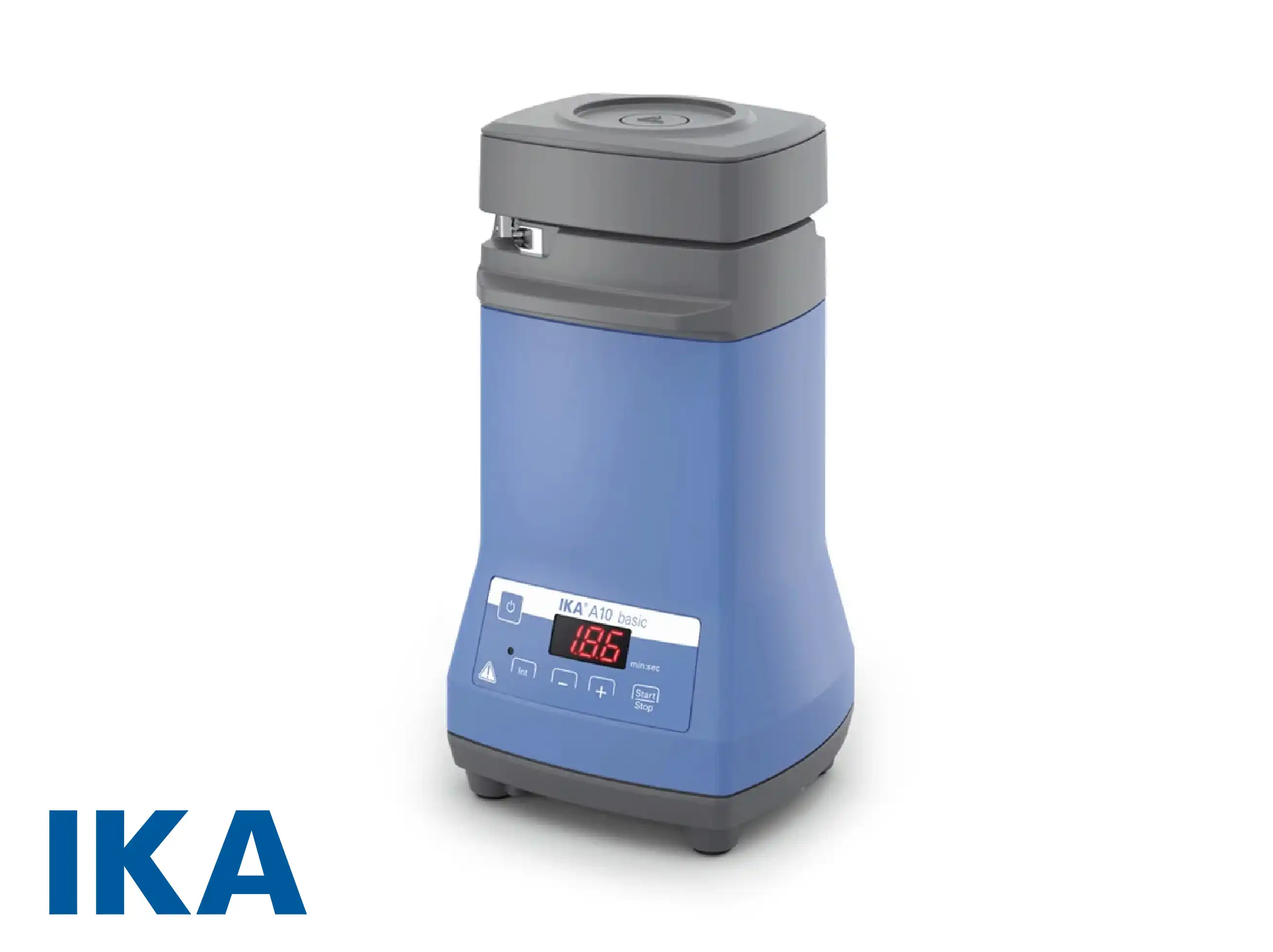
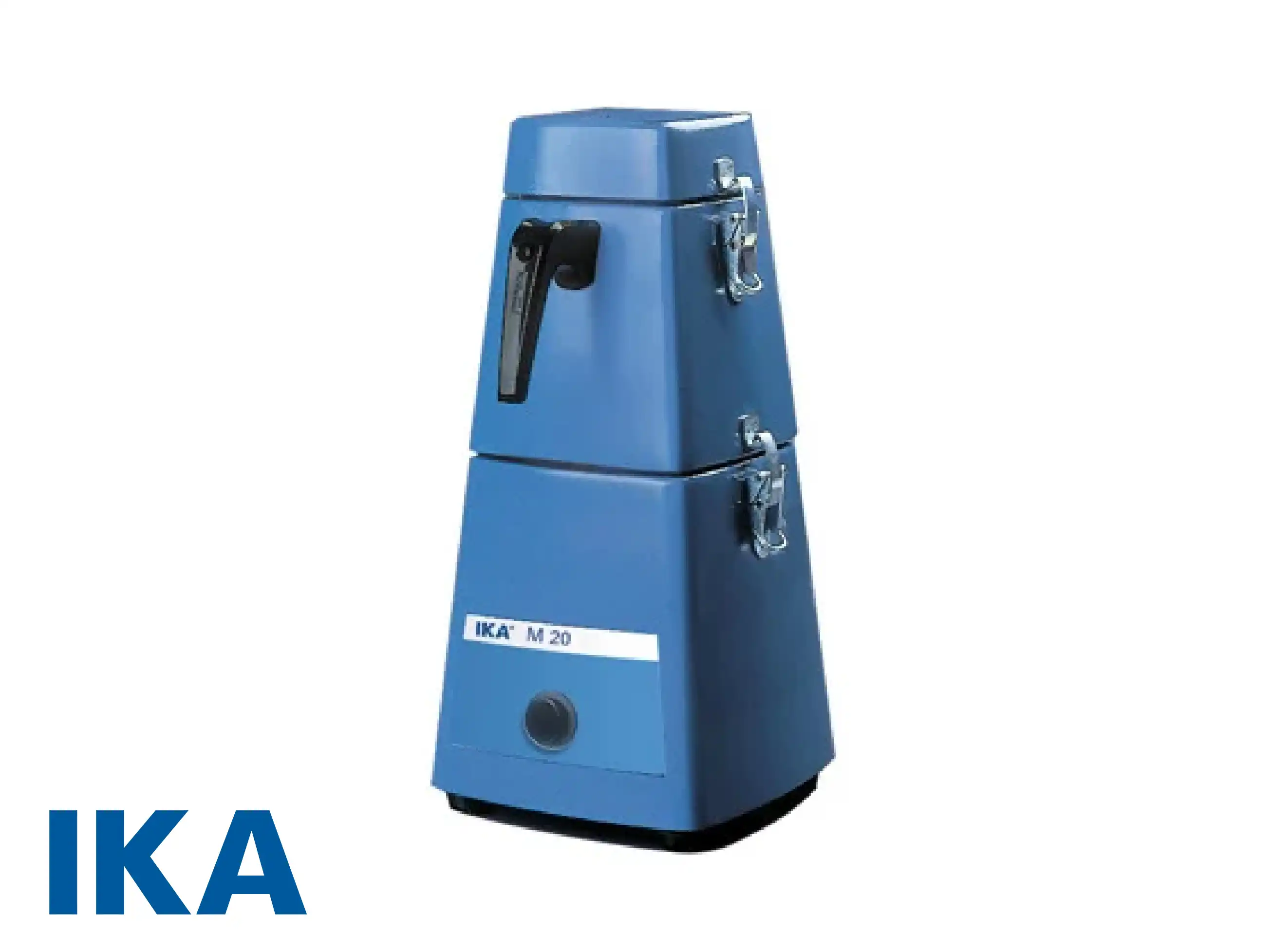
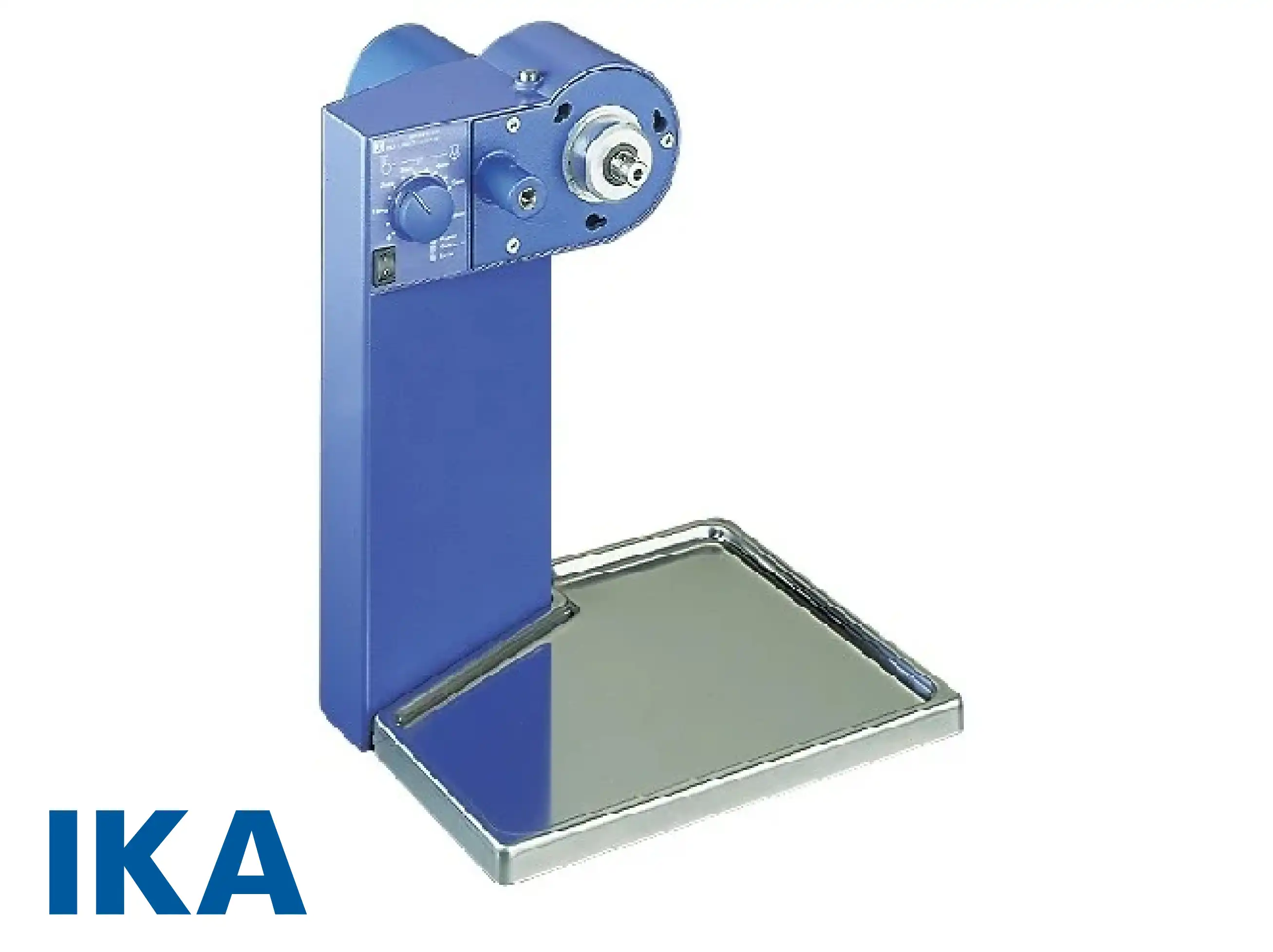
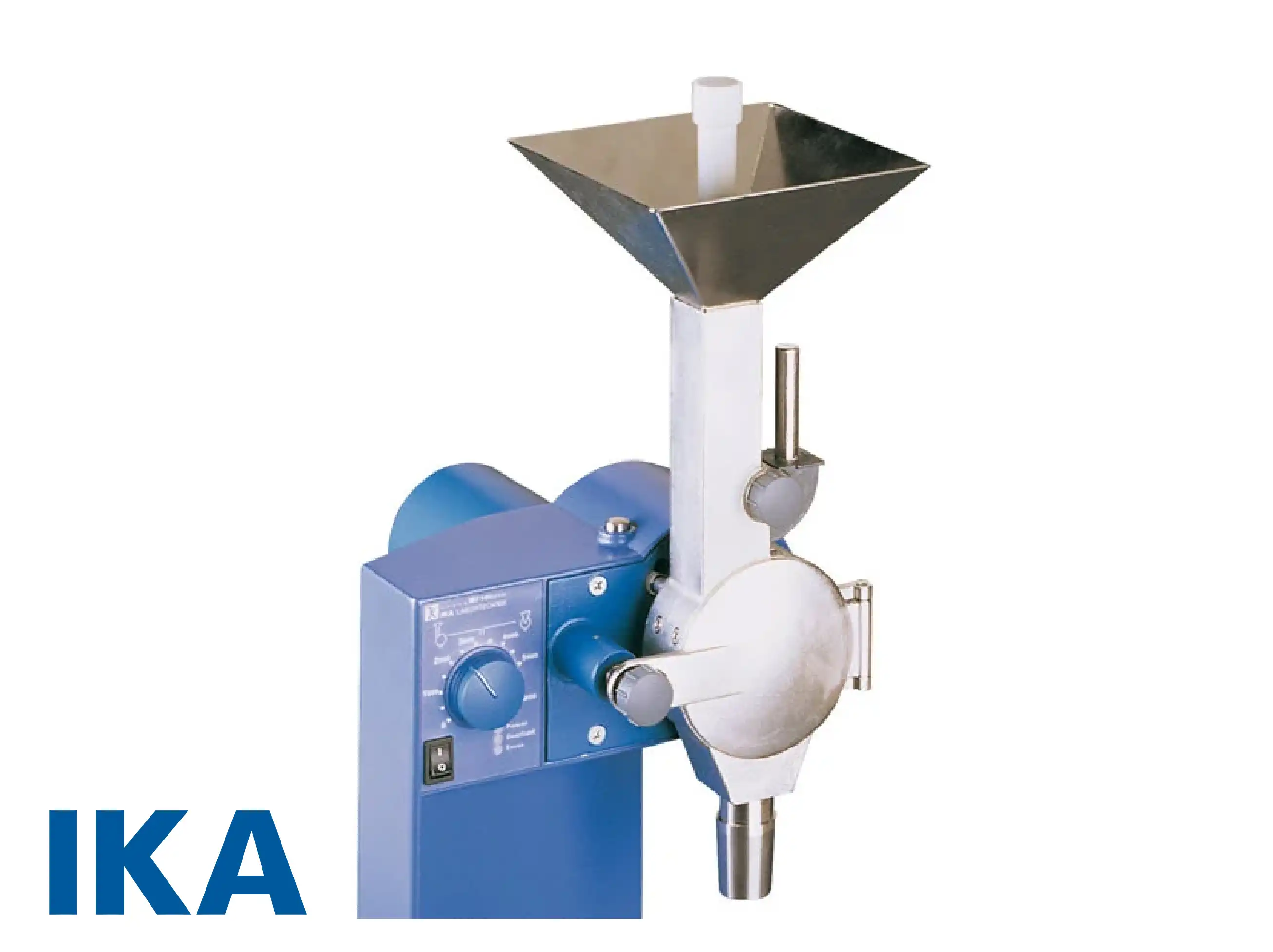
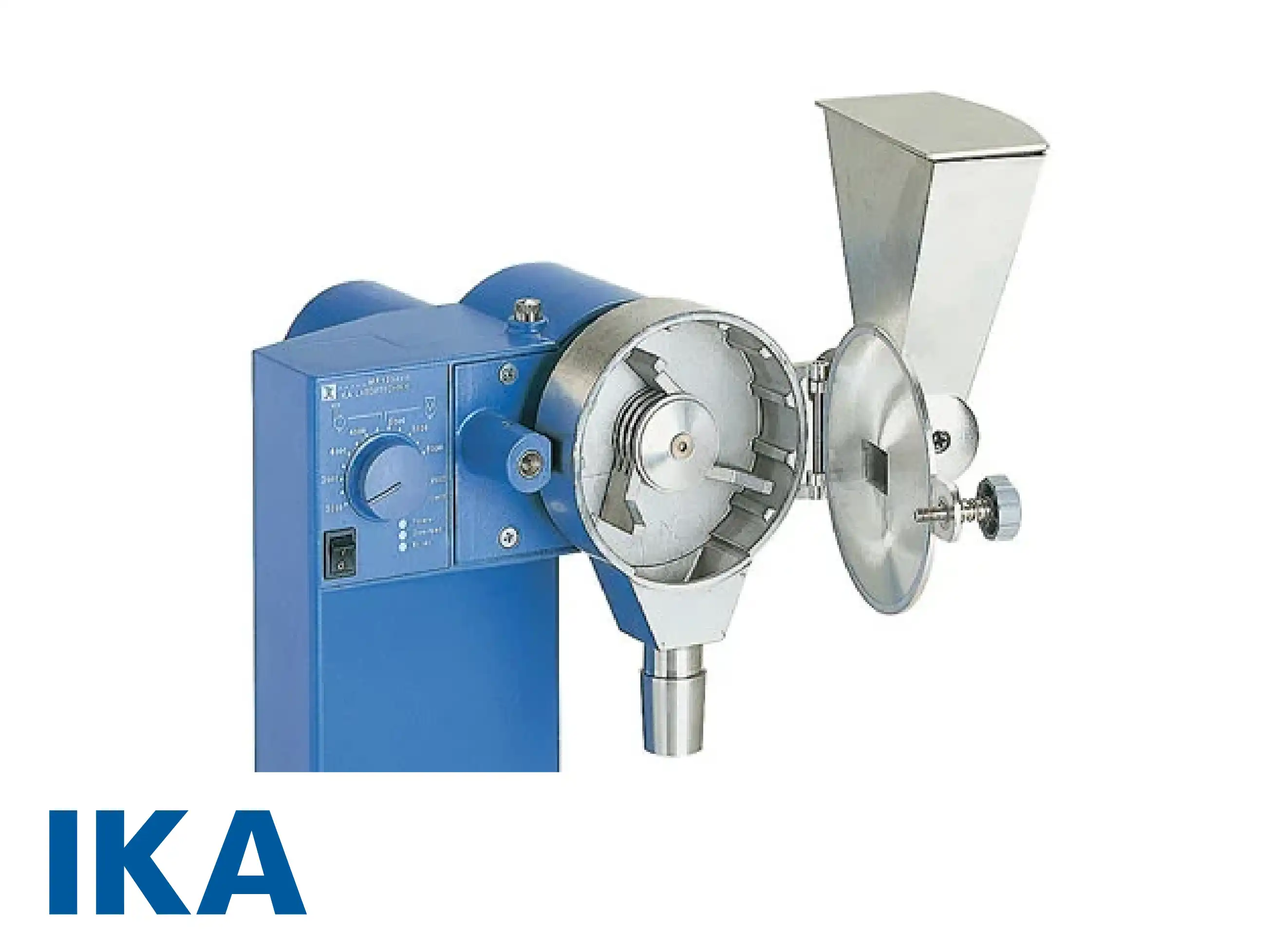
IKA Mills
The technical versatility of these milling systems is enhanced by the support for various grinding conditions, including dry, wet, and cryogenic milling. To process elastic or temperature-sensitive samples, the systems can be equipped with cooling jackets or allow for the direct addition of embrittlement agents like dry ice.
Furthermore, the use of high-quality materials such as stainless steel and tungsten carbide for the grinding surfaces ensures durability and prevents sample contamination. Integrated safety features, such as automatic shutdown and electronic interlocks, provide a secure technical environment for high-speed mechanical crushing in the laboratory.
Universal Impact Grinding for Brittle Samples
Technically, impact grinding is the primary method for processing hard and brittle materials such as minerals, grain, or coal. The material is fed into the chamber and struck by a high-speed rotating beater. This mechanical energy causes the sample to fracture until it reaches the desired fineness. IKA mills ensure that the impact energy is uniformly distributed, resulting in a homogeneous powder that is essential for accurate titration, extraction, or spectroscopic analysis.
Specialized Cutting Action for Fibrous Material
For samples that are fibrous or have high elastic properties, such as paper, vegetation, or plastics, a cutting mechanism is technically superior. These mills use sharp blades to shear the material into smaller fragments. This technical approach prevents the sample from heating up excessively or clumping, which often happens with impact mills on soft materials. The cutting action ensures that the fibers are sliced cleanly, maintaining a consistent particle size for laboratory testing.
Cryogenic Milling and Sample Embrittlement
Temperature-sensitive or highly elastic materials technically require embrittlement to be ground effectively. IKA mills support the use of dry ice or liquid nitrogen to cool the sample below its glass transition point. This technical process makes the material brittle, allowing it to be crushed by impact rather than deforming. Cryogenic milling is a critical requirement for processing fatty foods, rubbers, or certain plastics where maintaining a low temperature prevents the loss of volatile compounds.
Continuous Flow Milling for Large Throughput
In laboratory environments where large volumes of material must be processed, continuous flow milling provides a technical advantage. Unlike batch mills, these systems allow for a constant feed of material and simultaneous discharge of the ground product through a sieve. This technical design ensures high productivity and consistent results, as the residence time of the material in the grinding chamber is strictly controlled to prevent overheating.
Material Science in Grinding Tools and Chambers
The technical integrity of an analytical sample depends on the materials of the grinding surfaces. IKA provides grinding tools made from stainless steel, chrome-plated steel, and tungsten carbide. Technically, selecting a tool with higher hardness than the sample prevents tool wear and subsequent sample contamination. For example, tungsten carbide is used for extremely hard materials to ensure that no trace elements from the mill are introduced into the sample during the crushing process.
Microprocessor-Controlled Speed Regulation
To ensure reproducibility in sample preparation, IKA mills utilize microprocessor technology to regulate rotation speeds. Technically, this allows for the exact setting of parameters required for specific standardized methods. Some mills also feature "inching" modes for brief, intermittent grinding, which is a technical necessity for samples that are sensitive to heat build-up. Digital displays provide real-time feedback on motor performance and grinding duration.
Integrated Safety Circuits and Operational Guards
High-speed mechanical grinding involves technical risks that require robust safety features. IKA mills are designed with electronic safety interlocks that prevent the motor from starting if the chamber is not correctly closed. Furthermore, overload protection circuits monitor the motor’s temperature and resistance. Technically, if the system detects an obstruction or excessive heat, it triggers an automatic shutdown to protect both the user and the mechanical integrity of the instrument.
Modular Design for Multi-Application Versatility
The technical flexibility of the milling range is highlighted by the use of exchangeable grinding chambers and sieve inserts. This modularity allows a single drive unit to be used for various tasks, from micro-scale grinding of a few grams to processing larger batches. Sieve inserts of different mesh sizes allow the operator to technically define the final fineness of the product, making the system adaptable to various fields including environmental science, pharmaceutics, and food technology.
Click here for more information about IKA range of products.