
Decomposition Systems
|
High-Precision Pressure Decomposition for Elemental Analysis
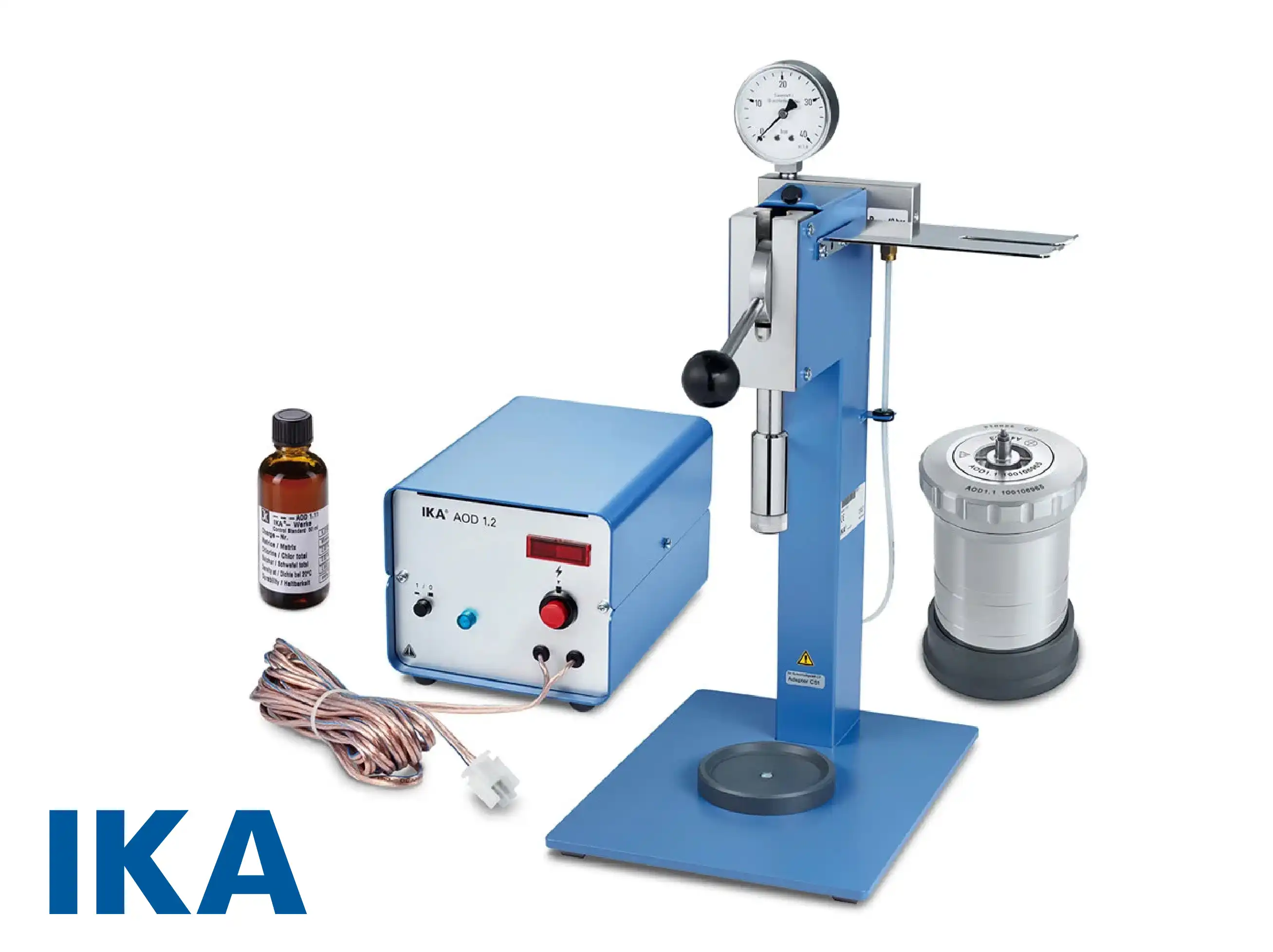
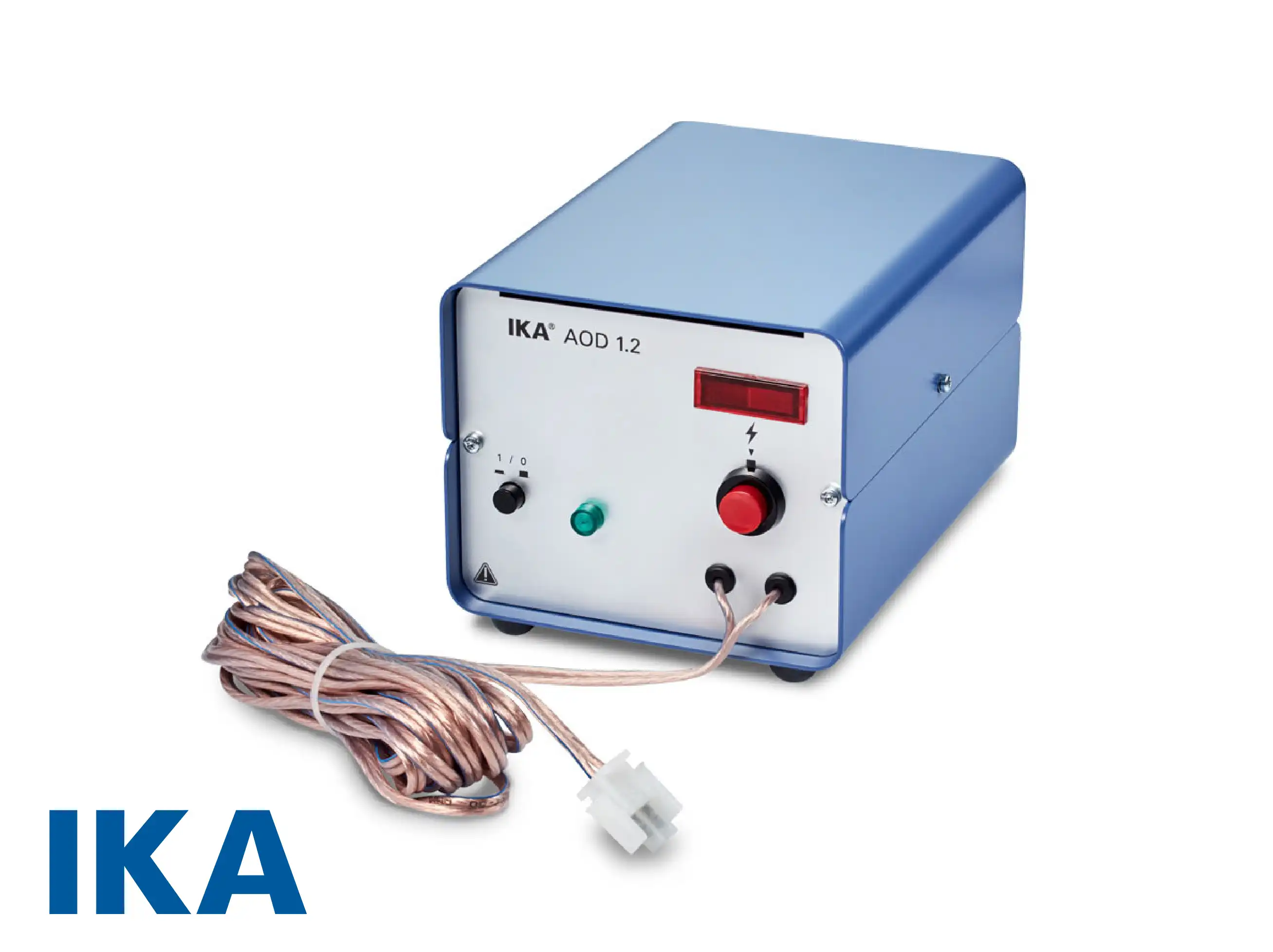
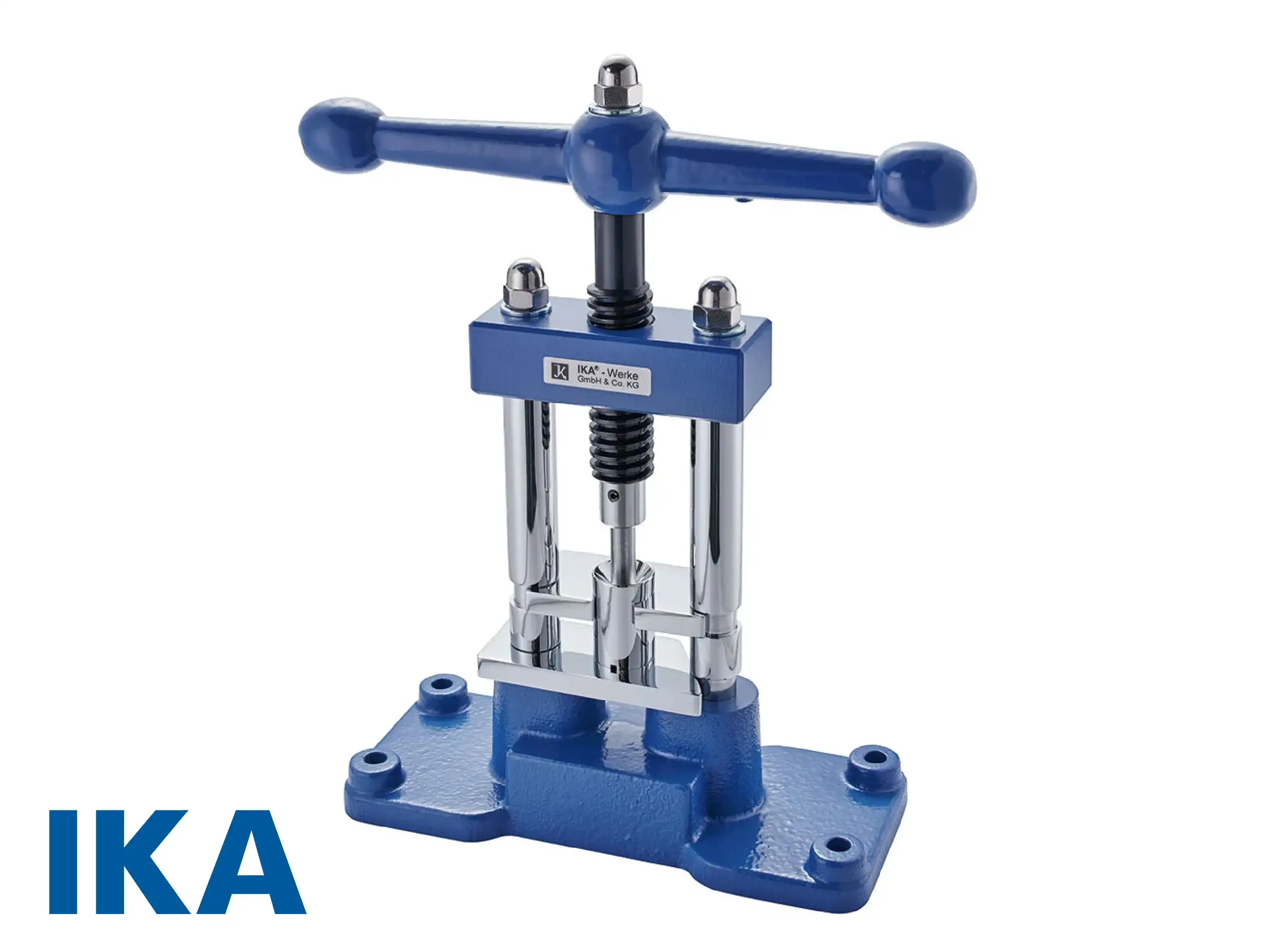
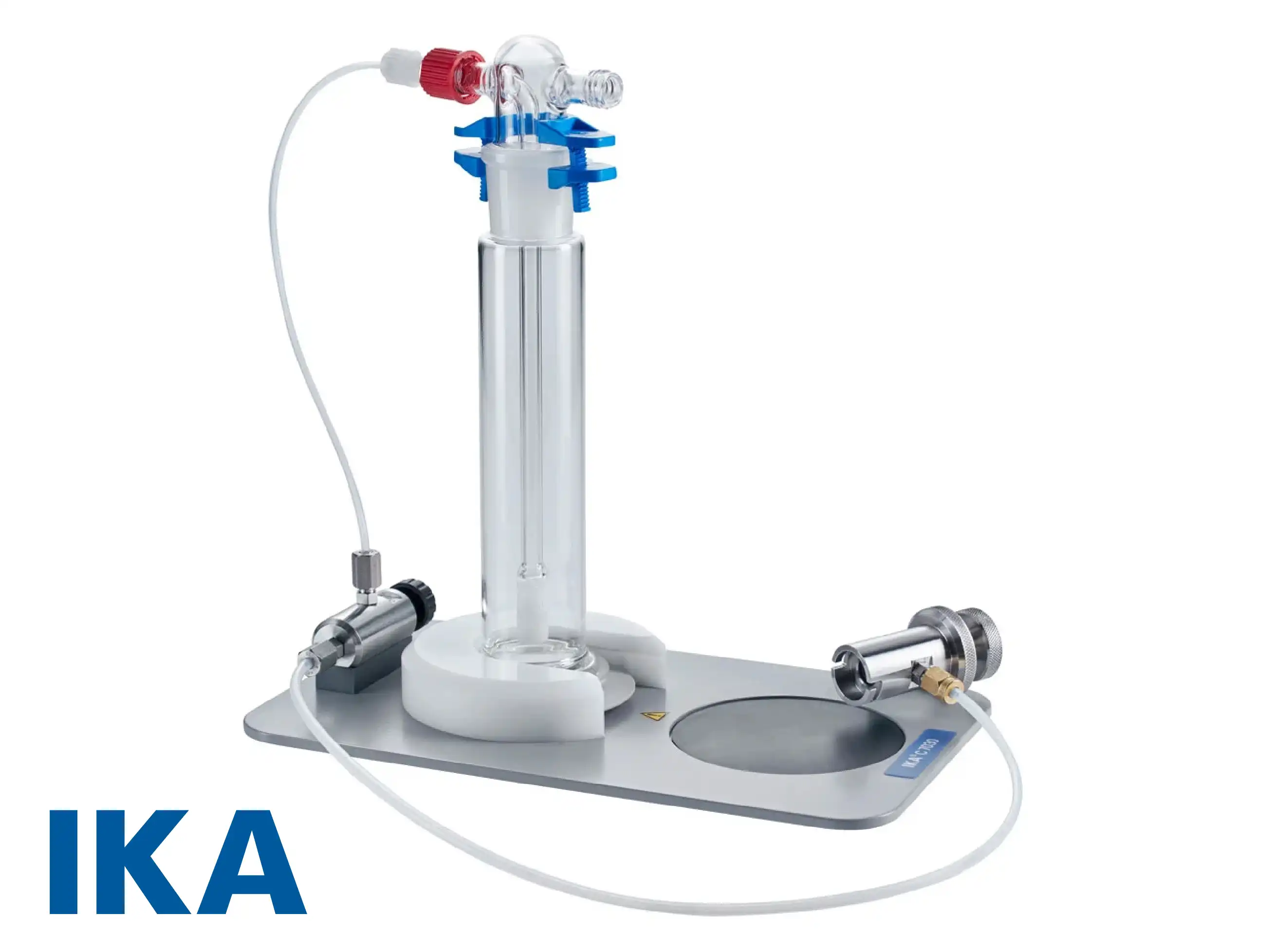
IKA Decomposition Systems
The technical core of the system is the decomposition vessel, constructed from high-alloy steel specifically designed for extreme resistance against corrosive chlorine and thermal stress. A standout technical feature is the self-regenerating catalytic surface treated on the inner walls, which facilitates exceptionally high recovery rates between 98% and 100%.
These systems typically complete a full decomposition cycle in only 2 to 3 minutes. Compliance with international standards such as DIN 51727, DIN EN 14582, and various ASTM and EPA methods underscores the technical reliability of these instruments for heavy-duty industrial and environmental monitoring applications.
Oxidative Digestion in High-Pressure Closed Systems
Technically, IKA decomposition systems function by burning organic samples in a pressurized oxygen atmosphere. This process takes place within a hermetically sealed autoclave vessel, ensuring that no combustion gases escape into the laboratory environment. The high-pressure environment facilitates the complete oxidation of complex organic matrices, converting solid and liquid samples into a form suitable for elemental analysis. This technical approach is critical for achieving total sample recovery without environmental contamination.
Catalytically Active Surface Technology
The inner walls of the decomposition vessels are technically treated to create a self-regenerating catalytic surface. This specialized coating plays a vital role in the chemical reaction by ensuring that halogens and sulfur are efficiently converted into their respective ionic forms within the absorption solution. This technology is responsible for the industry-leading recovery rates of 98-100%, significantly reducing the "memory effect" and ensuring the technical accuracy of repeated measurements.
Quantitative Analysis of Halogens and Sulfur
Once the oxidative process is complete, the resulting absorption solution contains the quantitative amounts of fluorine, chlorine, bromine, iodine, and sulfate. Technically, this solution can be directly introduced to high-precision analytical instruments. The system is designed to provide a standardized output for ion chromatography (IC) and titration, making it a prerequisite for compliance with strict environmental regulations regarding the monitoring of halogenated waste and sulfur content in fuels.
High-Alloy Steel and Chlorine Resistance
Decomposition of halogenated samples creates a highly corrosive environment, particularly when high concentrations of chlorine are present. To mitigate this, IKA vessels are engineered from high-alloy steel. Technically, this material selection prevents the pitting and stress corrosion cracking that would occur in standard stainless steels. This structural integrity ensures a long operational lifespan and maintains the safety of the technician during the high-pressure combustion phase.
Rapid Decomposition Cycle and Process Efficiency
Time efficiency is a major technical parameter in laboratory workflows. IKA systems are capable of performing a complete decomposition in just 2 to 3 minutes. This rapid digestion is achieved through the optimized geometry of the vessel and the efficiency of the catalytic surface. Technically, this allows for high-throughput sample processing, enabling laboratories to analyze a large number of samples per shift while maintaining strict adherence to standardized decomposition methods.
Integration of Specialized Combustion Aids
For samples that are inherently difficult to burn, such as certain industrial plastics or heavy oils, specialized combustible crucibles made of acetobutyrate can be utilized. These crucibles act as a combustion aid, technically ensuring that the sample reaches the temperature required for total oxidation. When combined with a dedicated crucible pan, these accessories expand the technical application range of the system to include complex materials found in the disposal and recycling industries.
Safety Protection Devices and Pressure Management
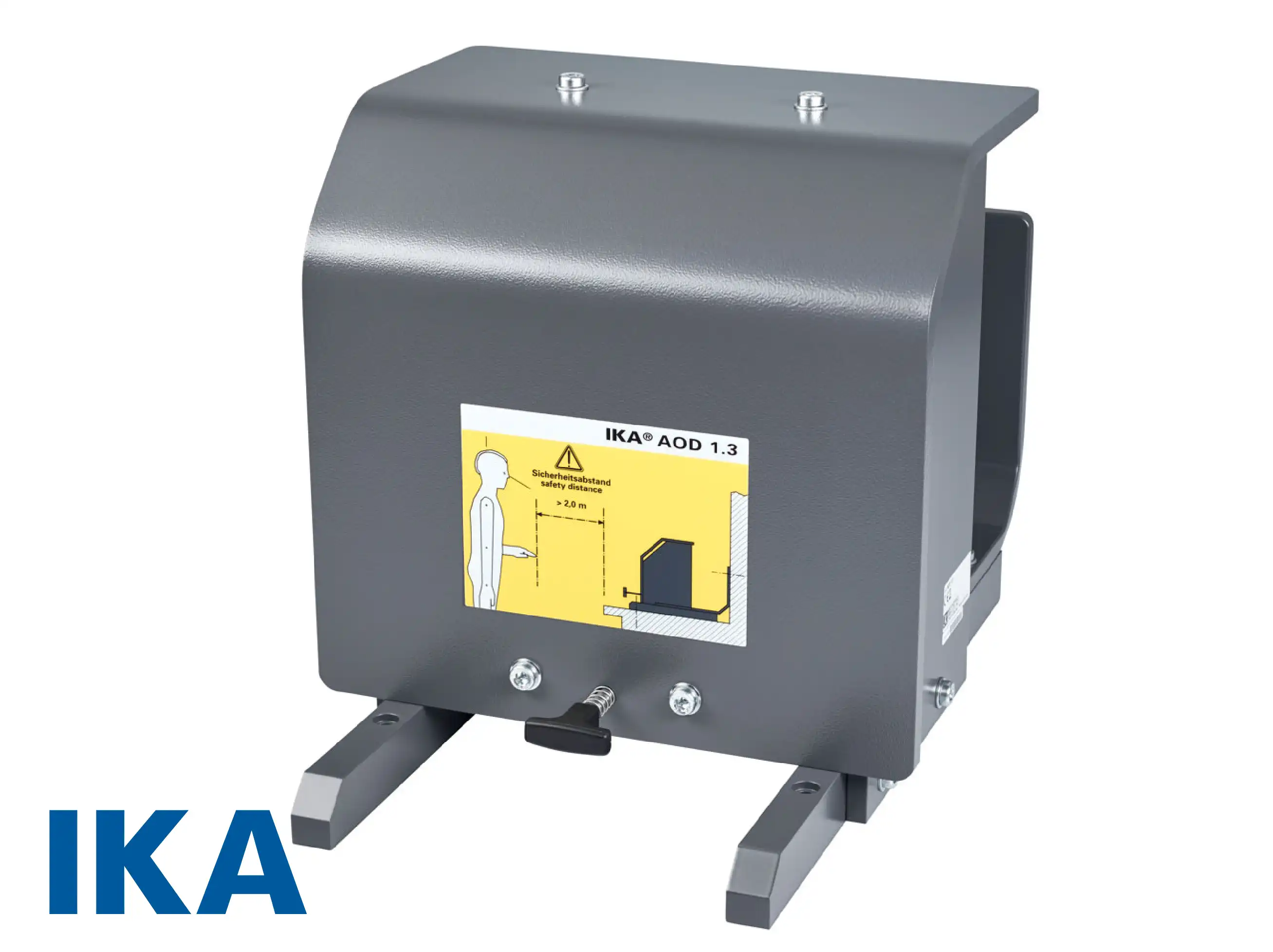
Given that the decomposition occurs under significant pressure, safety is technically prioritized. Protective devices are integrated to shield the operator and the instrument from potential overpressure events. These protection devices are designed to accommodate the high-alloy vessels and are technical requirements for any laboratory conducting pressurized oxidative digestions. The mechanical and electronic safety checks prevent ignition if the vessel is not correctly sealed or positioned.
Standardized Methodology and Compliance
IKA decomposition systems are technically aligned with global analytical standards. The methodology is recognized under DIN EN 14582 for halogen content and EPA Method 5050 for solid waste. This compliance ensures that the results obtained are technically valid for legal and industrial reports. By following these international ASTM and DIN protocols, the system provides a universally accepted technical platform for energy and environmental research.
Click here for more information about IKA range of products