
Calorimeters
|
Precision Energy Determination and Combustion Engineering
.webp)
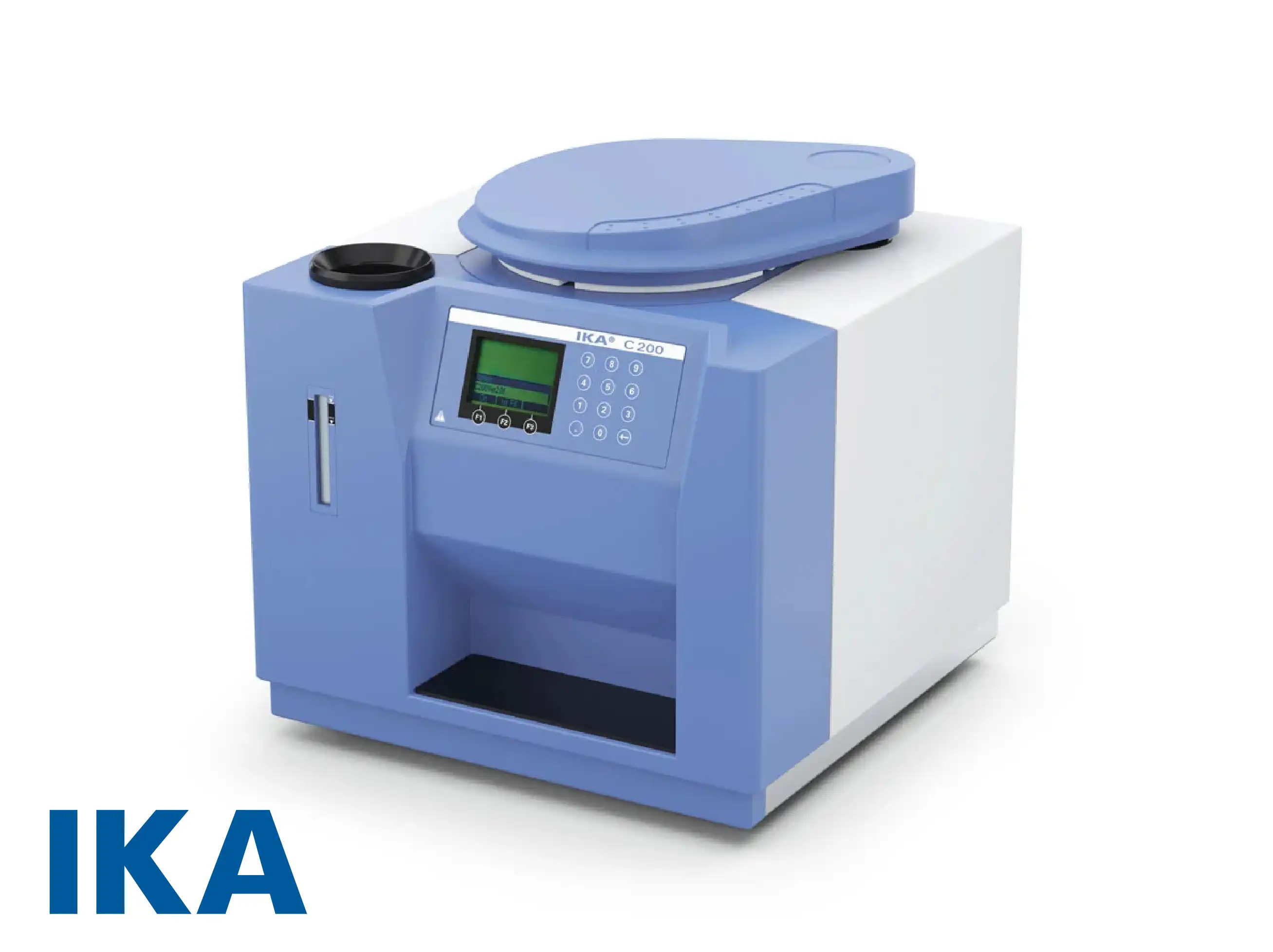
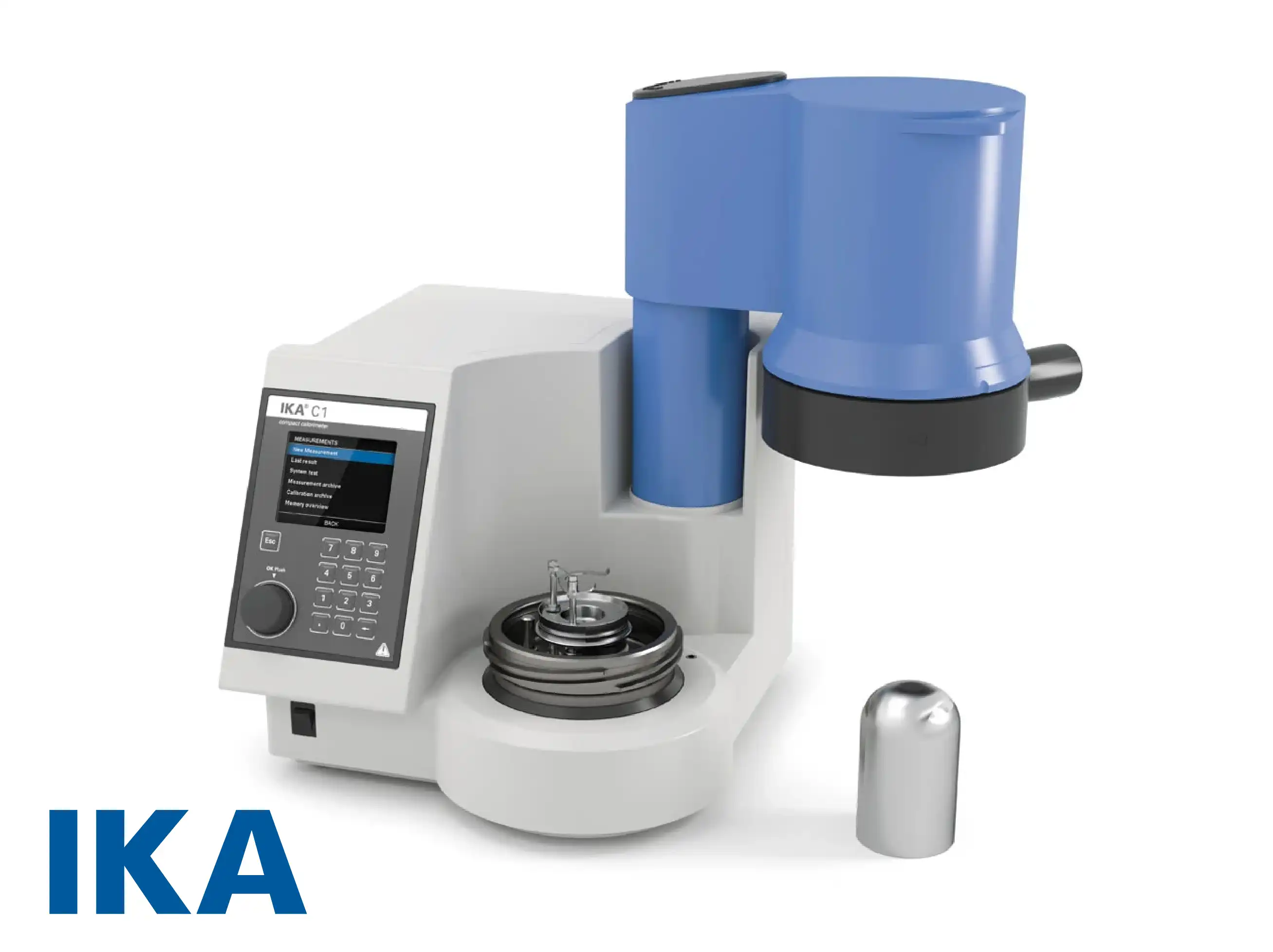
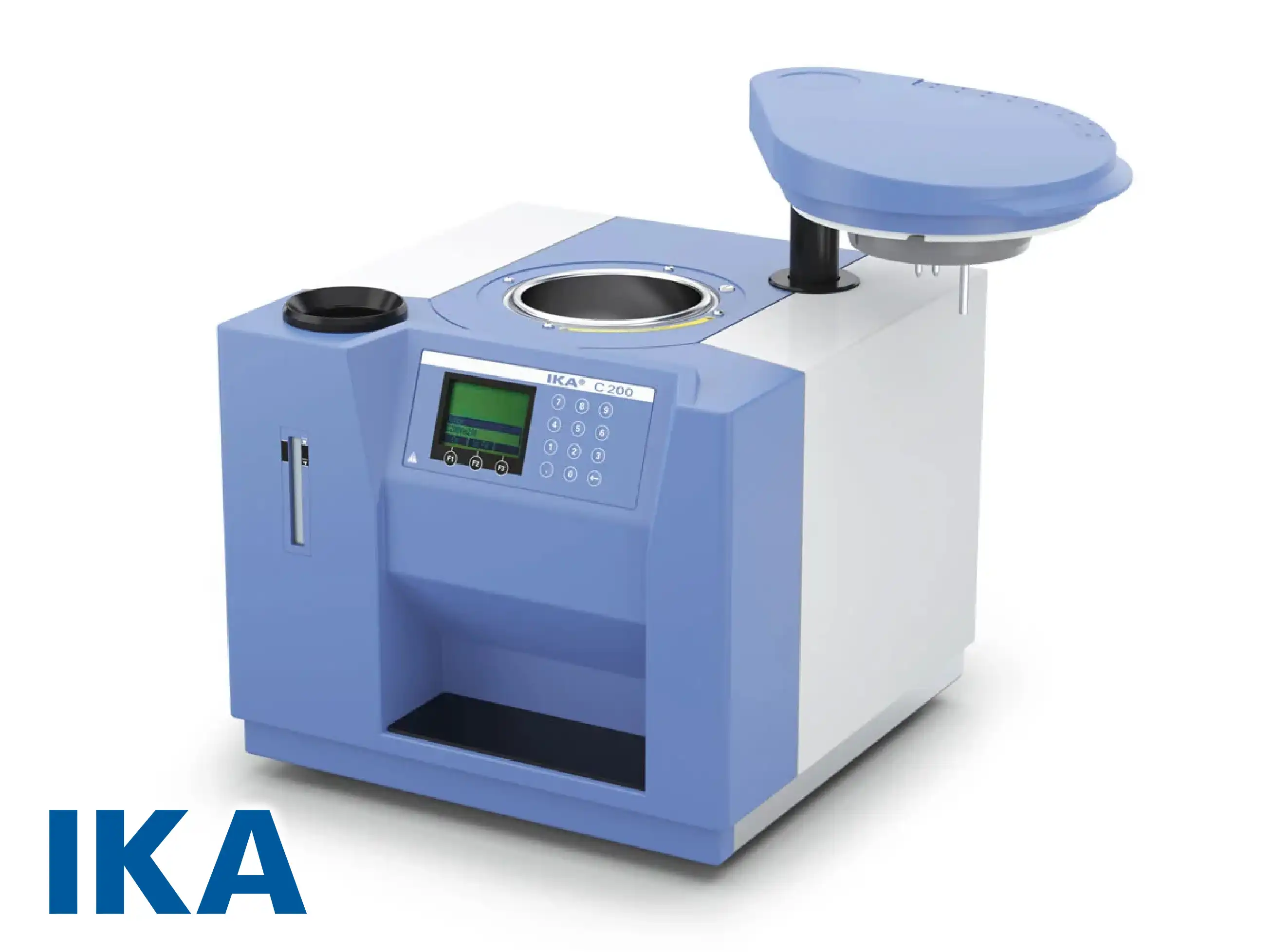
IKA Calorimeters
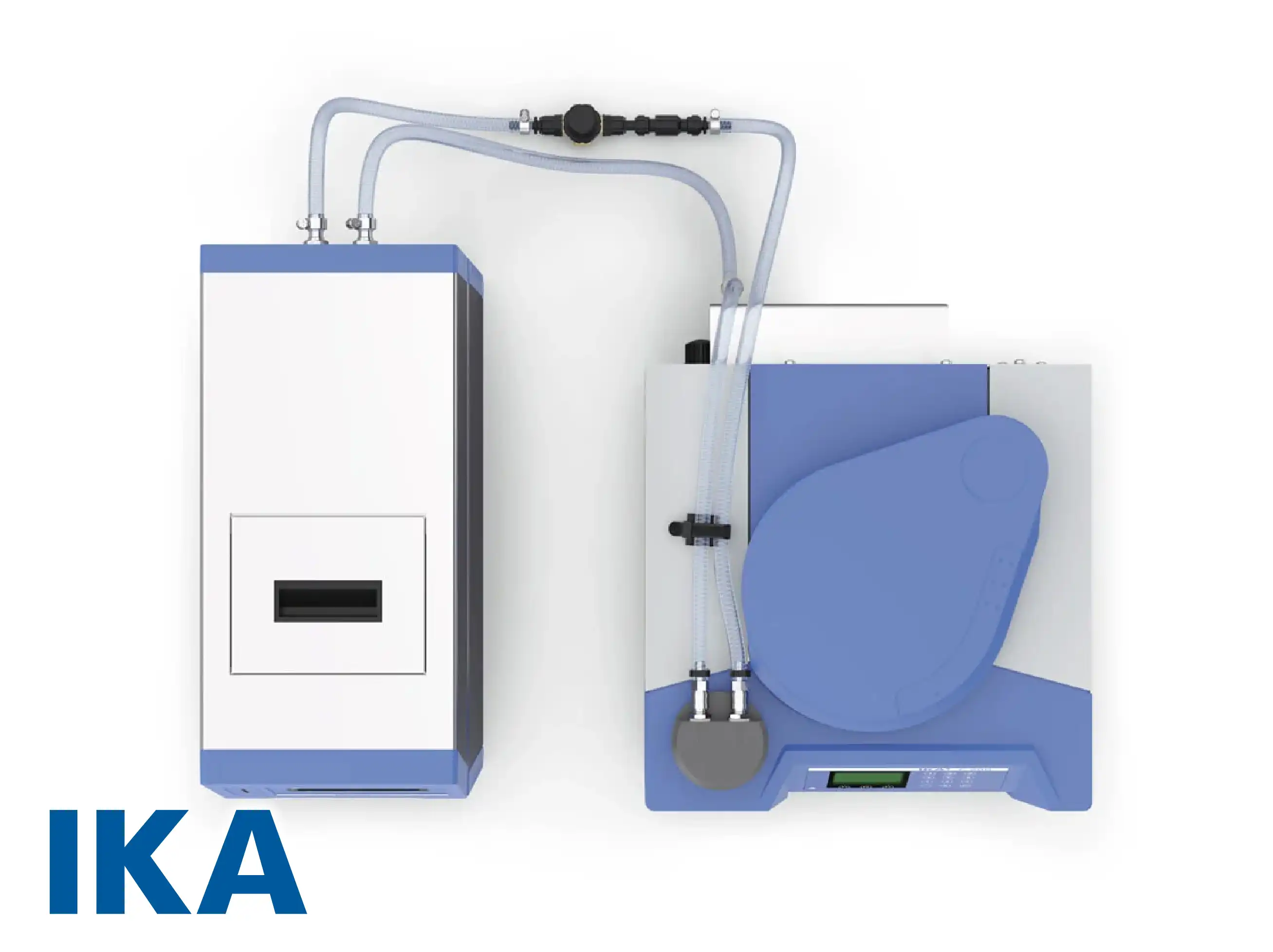
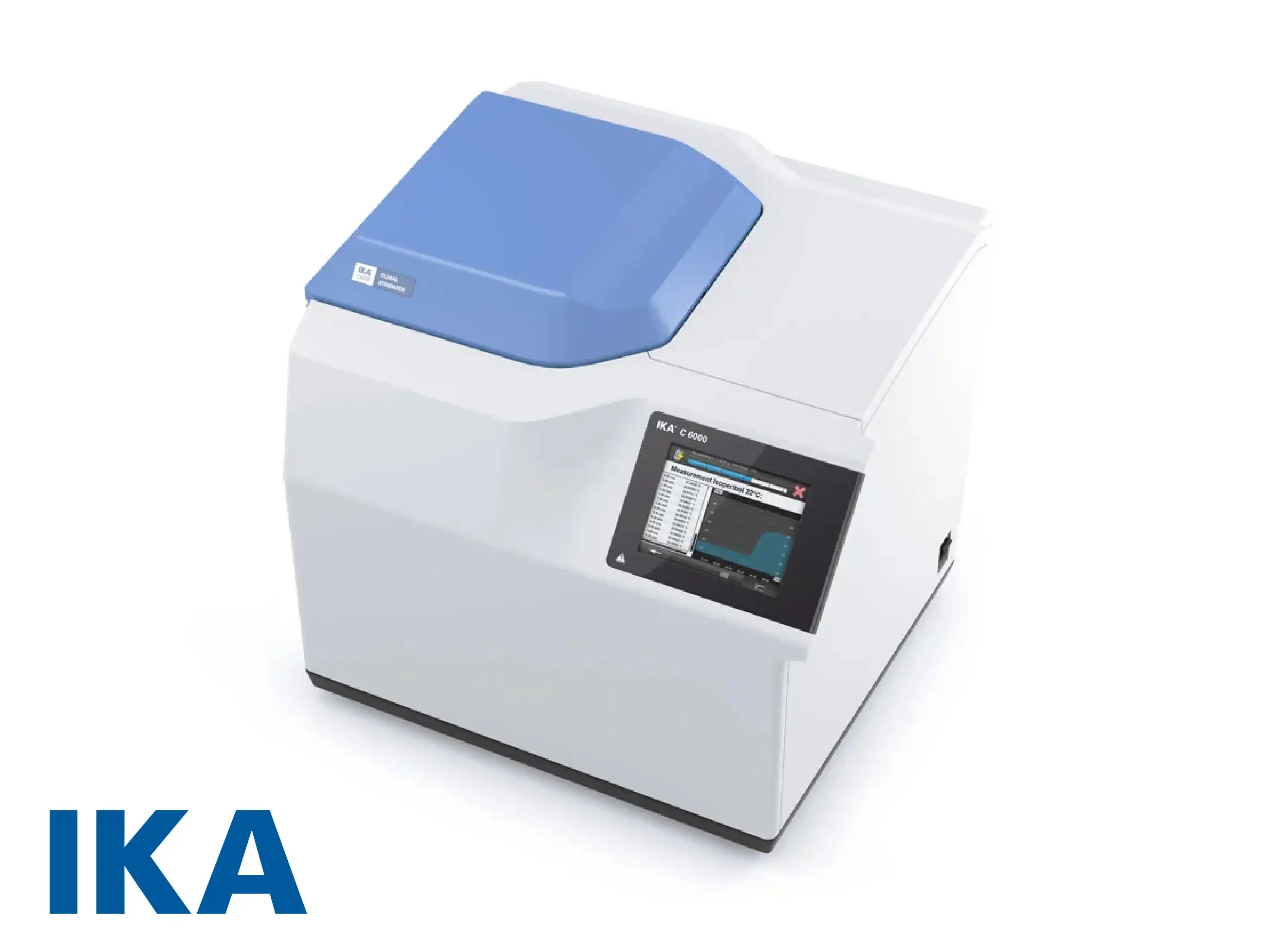
The technical architecture of IKA calorimetry systems emphasizes automation and safety. Many units feature automated water handling, including filling, draining, and oxygen management, which reduces manual labor and improves the reproducibility of results.
The decomposition vessels are constructed from high-strength alloys to withstand extreme internal pressures, and integrated sensors monitor system parameters in real-time. With digital interfaces for connecting analytical balances and specialized software for data management, these calorimeters provide a comprehensive technical solution for energy determination in compliance with international standards.
Fundamental Principles of Oxygen Bomb Decomposition
The technical core of IKA calorimetry is the oxygen bomb method, which ensures total combustion of the sample. The sample is placed in a crucible inside a decomposition vessel, which is then pressurized with pure oxygen. Upon ignition, the chemical energy is converted into thermal energy. This process is technically monitored within a closed system, allowing for the calculation of the gross calorific value based on the measured temperature change in the surrounding medium.
Isoperibol Temperature Regulation and Heat Compensation
In the isoperibol measurement mode, the temperature of the calorimeter jacket is kept constant throughout the experiment. Technically, this requires sophisticated algorithms to compensate for the heat exchange between the inner vessel and the environment. This mode is ideal for laboratories that require high thermal stability and consistent baseline conditions for their energy determination protocols.
Adiabatic Operational Mode for Maximum Precision
The adiabatic mode technically eliminates heat transfer between the calorimeter vessel and its surroundings. This is achieved by constantly adjusting the jacket temperature to match the internal vessel temperature. Because there is no temperature gradient, no heat exchange occurs, leading to highly accurate and reproducible measurements. This technical setup is preferred for research-grade analysis where minimal error margins are mandatory.
Dynamic Measurement for Rapid Sample Throughput
For industrial applications requiring high-speed analysis, IKA calorimeters offer a dynamic measurement mode. Technically, this is a shortened version of the standard procedure that maintains high levels of accuracy while significantly reducing the time per measurement. This allows for a higher number of samples to be processed daily without compromising the technical integrity of the calorific value determination.
Automated Oxygen and Water Management Systems
Technical efficiency in modern calorimetry is driven by automated fluid management. These systems handle the automatic filling of oxygen into the decomposition vessel and the precise management of water in the calorimeter jacket. By automating these steps, the instruments minimize human error and ensure that every combustion cycle is conducted under identical physical parameters, which is critical for standardized laboratory results.
High-Pressure Decomposition Vessel Engineering
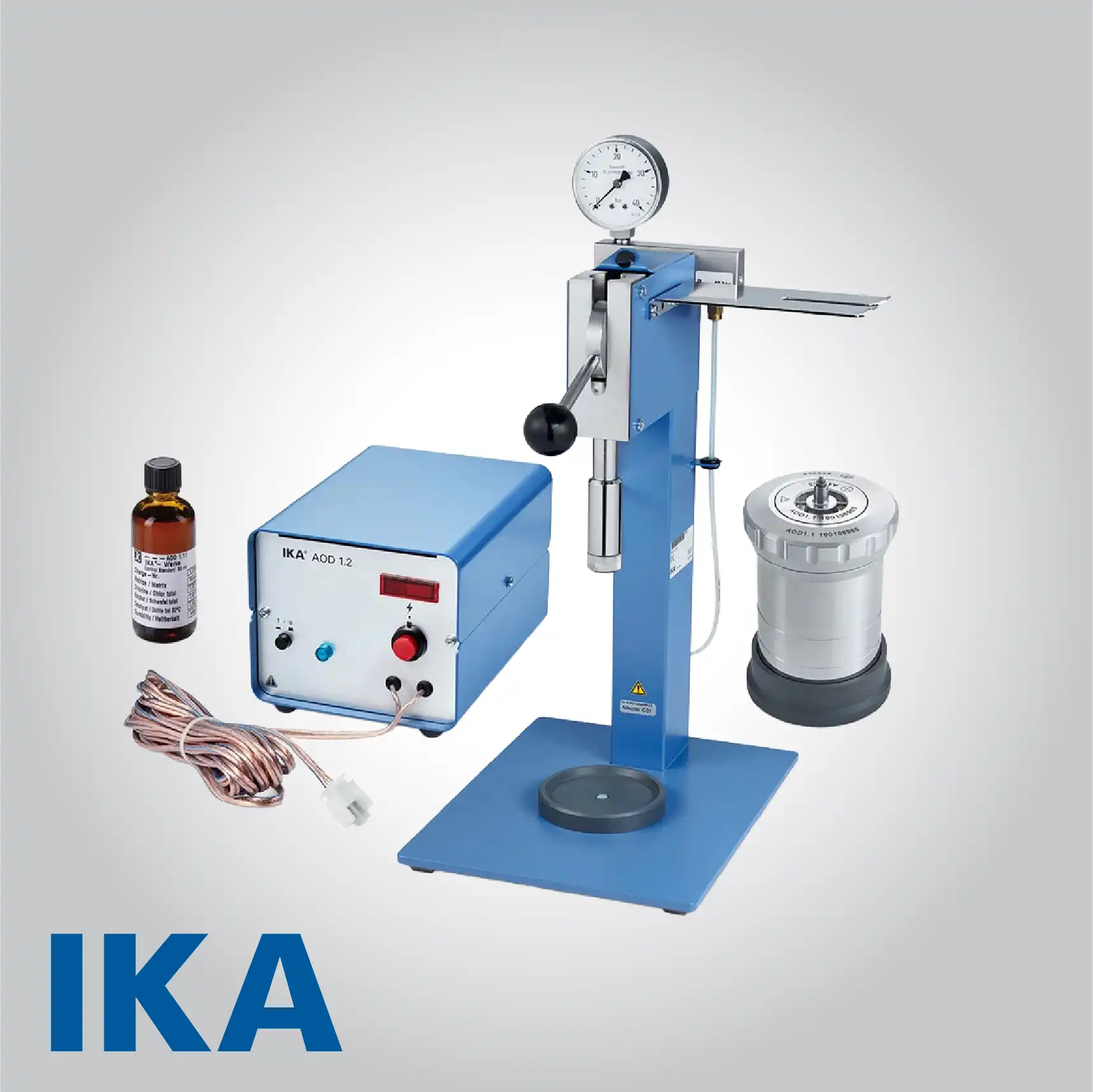
The decomposition vessel is a critical technical component designed to withstand extreme thermal and mechanical stresses. Constructed from specialized corrosion-resistant alloys, these vessels are rated for high-pressure combustion. Technically, they are designed to be easily handled and maintained, with specialized variants available for halogen-resistant applications to prevent vessel degradation during the combustion of complex samples.
Digital Interface and Laboratory Software Integration
To facilitate comprehensive data management, IKA calorimeters are equipped with digital interfaces that allow for direct connection to analytical balances and PCs. Technically, the software calculates the heat capacity of the system and the calorific value of the sample automatically. This digital integration supports the documentation of test results according to GLP (Good Laboratory Practice) and ensures traceable data for quality control.
Safety Sensors and Pressure Monitoring Mechanisms
Safety is technically prioritized through the integration of multiple sensors that monitor internal pressure and temperature. The systems are designed with safety circuits that prevent ignition if the vessel is not correctly positioned or if the cooling system is not functioning. This technical safeguard ensures that the high-energy combustion process remains contained within the laboratory equipment, protecting both the user and the instrument.
Click here for more information about IKA range of products