




Measuring stirrers
|
Precision Rheological Monitoring and Overhead Stirring Technology
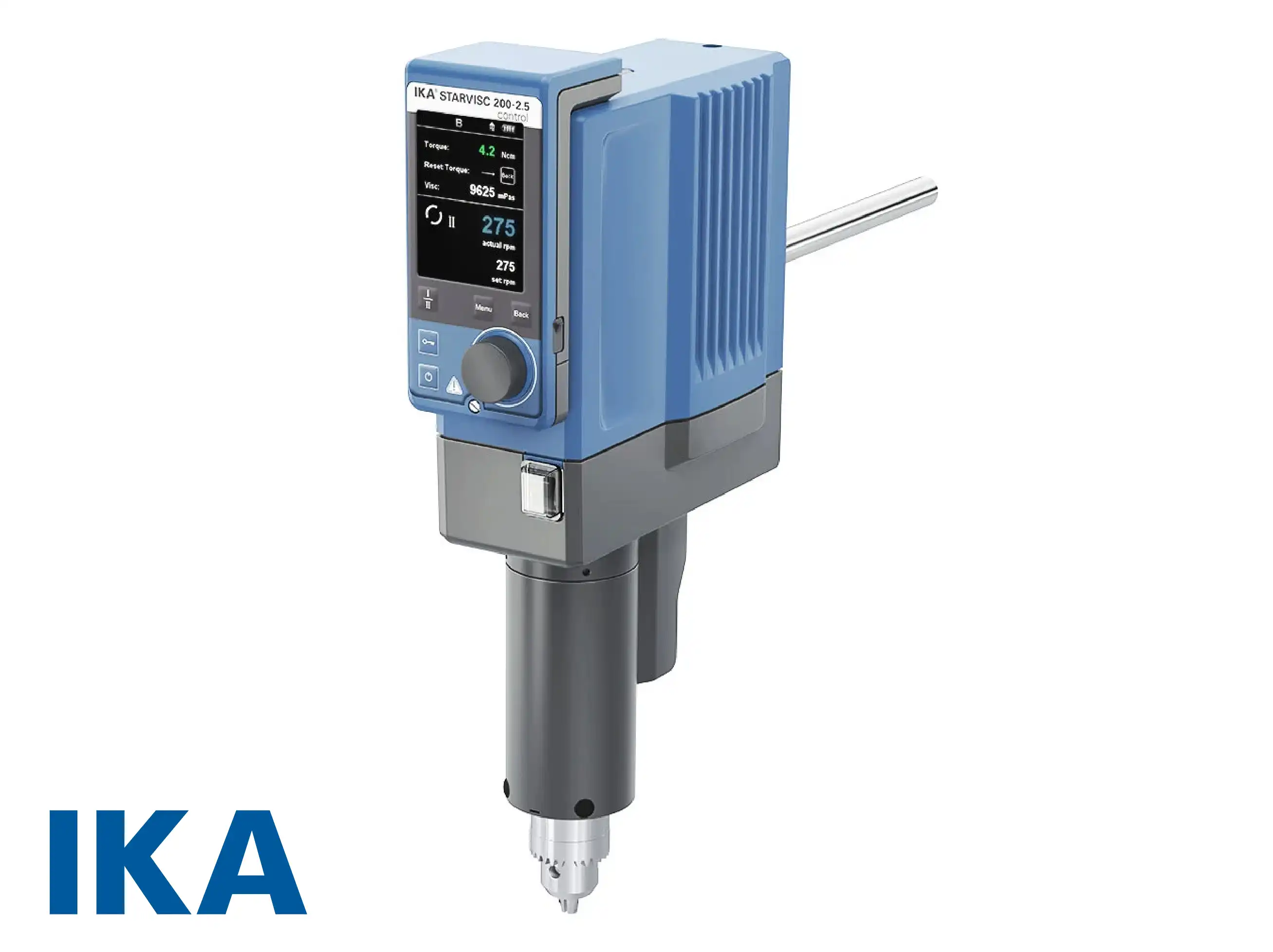
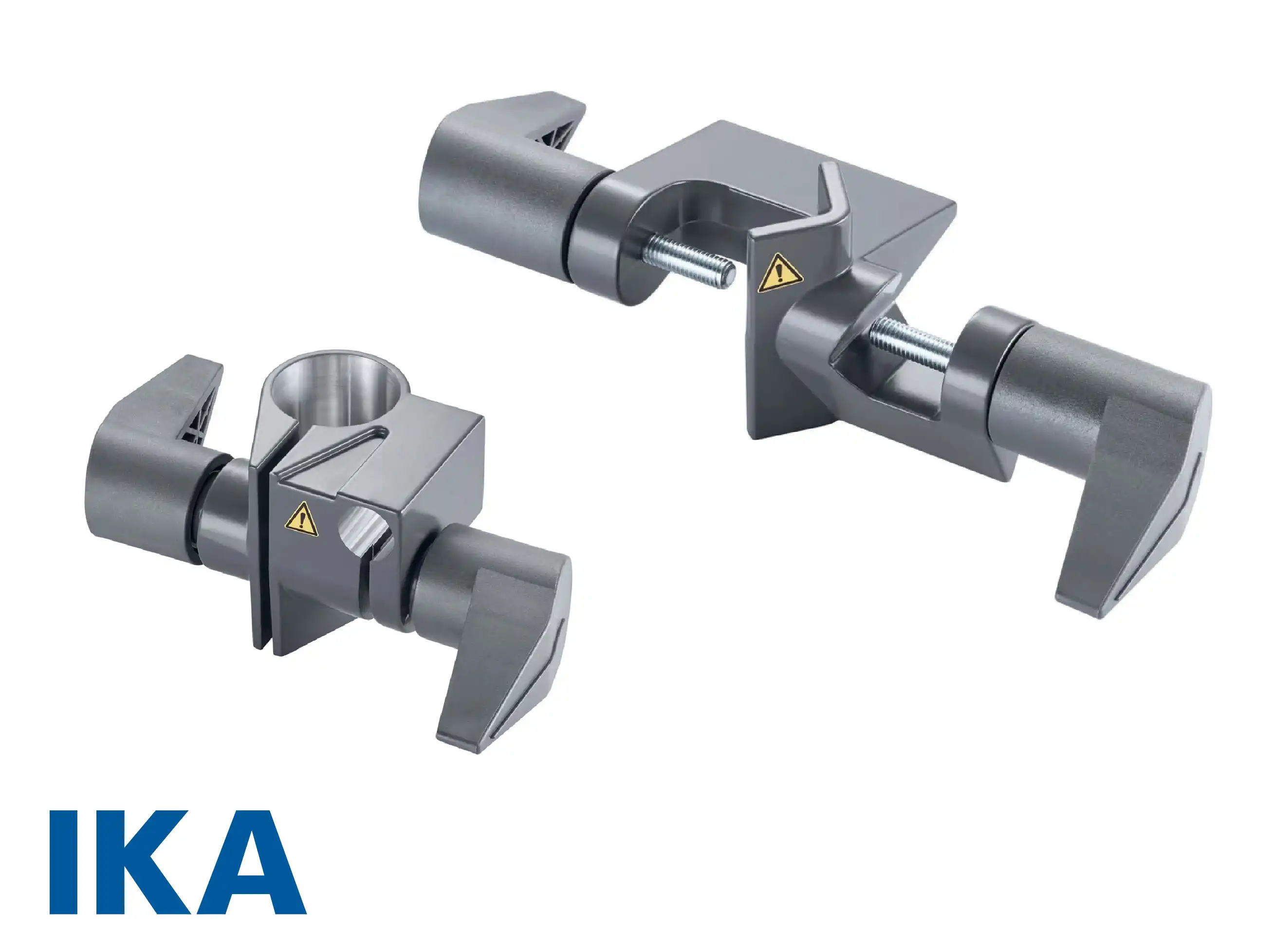
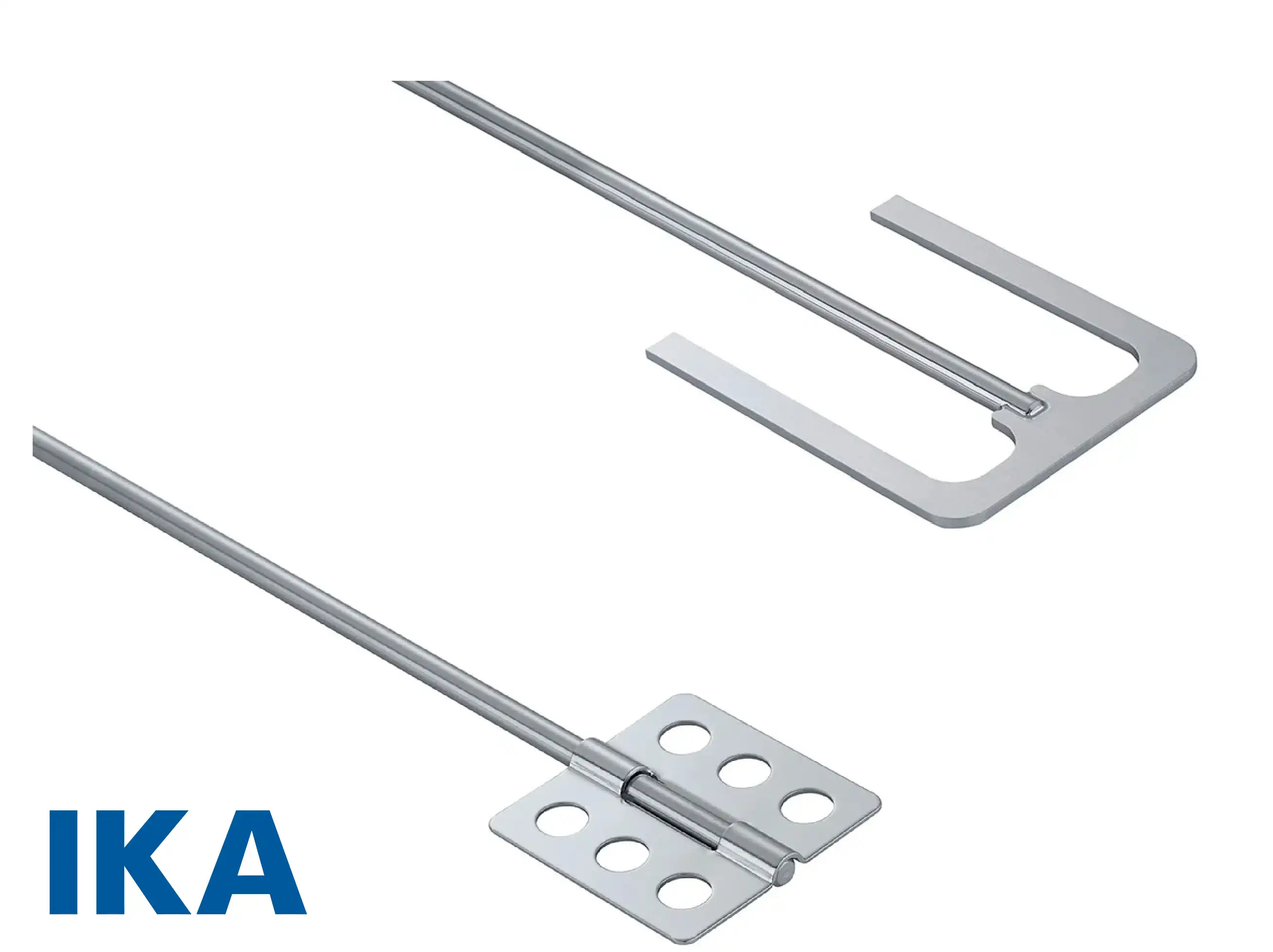
IKA Measuring stirrers
The technical architecture of these stirrers emphasizes connectivity and precise automation. Equipped with RS 232 and USB interfaces, they can be seamlessly integrated into laboratory information management systems (LIMS) and automation software. This allows for the digital recording of all parameters, including torque trends, temperature (via integrated sensors), and rotational speed.
Safety is technically integrated through features such as overload protection, which automatically adjusts or stops the motor to prevent mechanical failure, and a lockable digital interface to prevent accidental parameter changes. These stirrers are designed to handle volumes up to 200 liters and viscosities up to 100,000 mPas, making them a versatile technical solution for both R&D and pilot-scale operations.
Integrated Torque Trend Measurement for Viscosity Tracking
Technically, IKA measuring stirrers function as a hybrid between a powerful mixer and a basic rheometer. By measuring the torque in Ncm (Newton-centimeters), the instrument provides a direct technical correlation to the fluid's resistance. As a reaction progresses and the medium thickens the torque increases. The digital display allows the operator to monitor this trend in real-time, providing an essential technical indicator of reaction completion or the attainment of a specific product consistency.
Microprocessor-Controlled Speed Stability
The technical performance of these stirrers is defined by their ability to maintain exact rotational speeds under changing loads. The integrated microprocessor constantly compares the actual speed with the set speed and adjusts the power delivery accordingly. This technical precision is vital for applications requiring specific shear forces, ensuring that the kinetic energy transferred to the medium remains constant throughout the entire mixing process, regardless of internal viscosity changes.
High-Torque Performance and Volume Capacity
Designed for heavy-duty laboratory applications, these measuring stirrers can deliver up to 400 Ncm of torque. This technical capability enables the processing of high-viscosity media up to 100,000 mPas and volumes reaching 200 liters. The robust drive system is engineered for long-term operation, making it a reliable technical platform for scaling up chemical processes from lab bench to pilot plant environments while maintaining precise process control.
Digital Interface and Software Integration (LIMS)
A significant technical advancement in these stirrers is the inclusion of RS 232 and USB communication ports. These interfaces allow the instrument to be controlled and monitored via a PC. Technically, this enables the automation of stirring ramps and the continuous logging of torque and speed data. This connectivity is a prerequisite for modern laboratory environments that require full documentation for quality control and adherence to standardized research protocols.
Integrated Temperature Sensing and Process Monitoring
To provide a comprehensive overview of the reaction environment, some measuring stirrers feature an integrated connection for a temperature sensor. Technically, this allows the device to monitor the thermal properties of the medium alongside the rheological data. The simultaneous display of temperature and torque on the digital interface provides a multidimensional technical view of the reaction, which is critical for exothermic synthesis or temperature-dependent mixing tasks.
Safety Engineering and Overload Protection
Safety is technically prioritized through the use of intelligent electronic circuits. The stirrers are equipped with an overload protection system that prevents the motor from overheating or suffering mechanical damage if the viscosity exceeds the instrument's capacity. Technically, if a blockage occurs or the load becomes too high, the motor automatically slows down or shuts off. Additionally, the housing is designed to prevent the ingress of liquids, ensuring a high IP protection rating for hazardous laboratory environments.
Keyless Chuck and Tool-Free Assembly
Operational efficiency is technically enhanced by the use of a keyless chuck design. This allows for the rapid exchange of stirring tools without the need for additional mechanical tools. The design ensures a secure and centered grip on the stirring shaft, minimizing vibration and mechanical wear at high speeds. This technical feature streamlines laboratory workflows, particularly in multi-user environments where different impeller shapes (e.g., anchor, propeller, or dissolver) are frequently swapped.
Precise Programmability and User-Defined Ramps
Technically, these stirrers offer advanced programmability, allowing users to define specific stirring sequences and ramps. This includes the ability to program intervals, speed changes over time, and torque limits. The digital control panel provides a clear overview of these settings, ensuring that complex mixing procedures can be executed with high reproducibility. This technical flexibility is essential for optimizing reaction times and ensuring consistent product quality in pharmaceutical and chemical manufacturing.
Click here for more information about IKA range of products