.webp)
Walk-In Stability Rooms
|
Technical Engineering of High-Performance
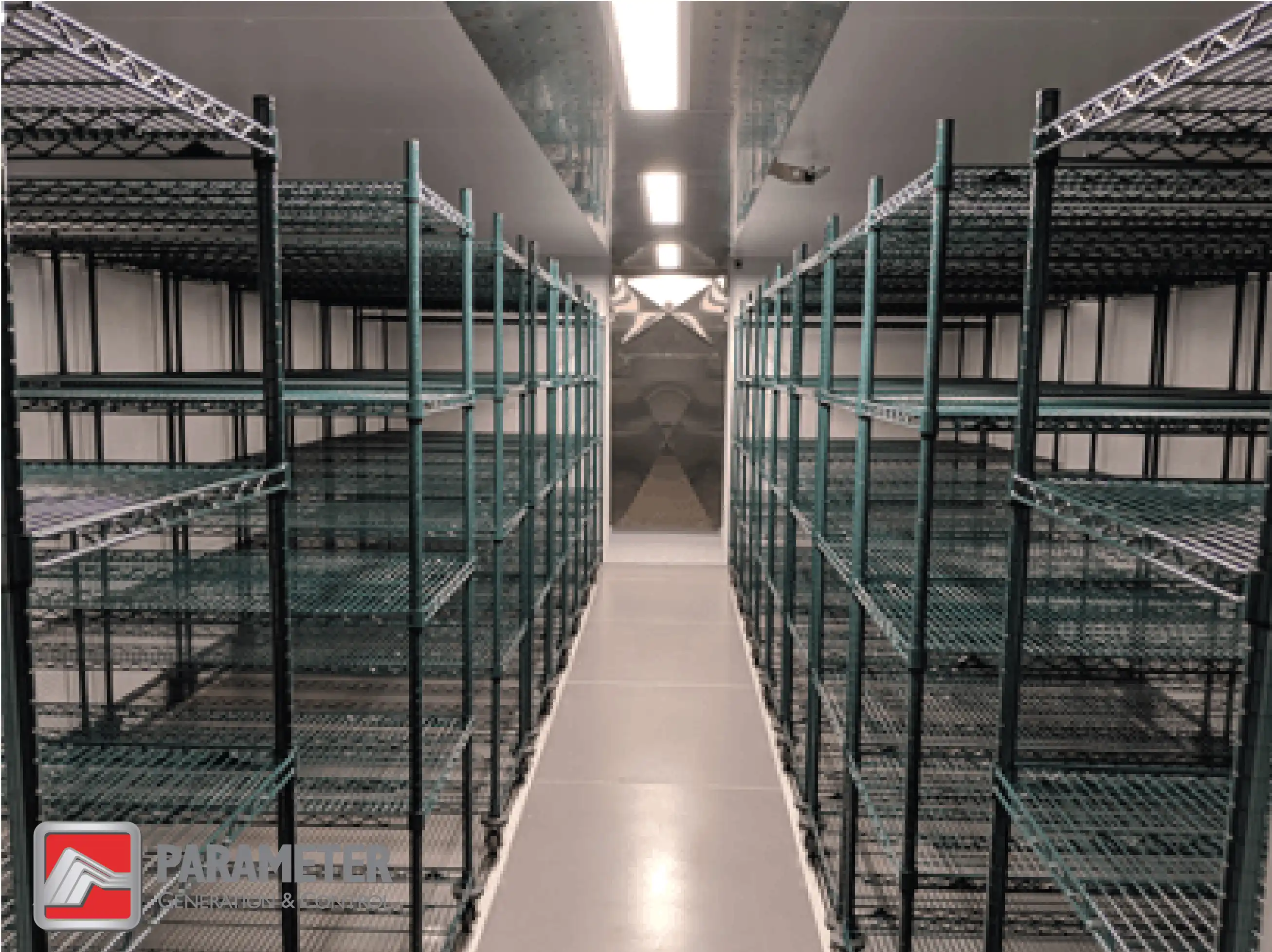
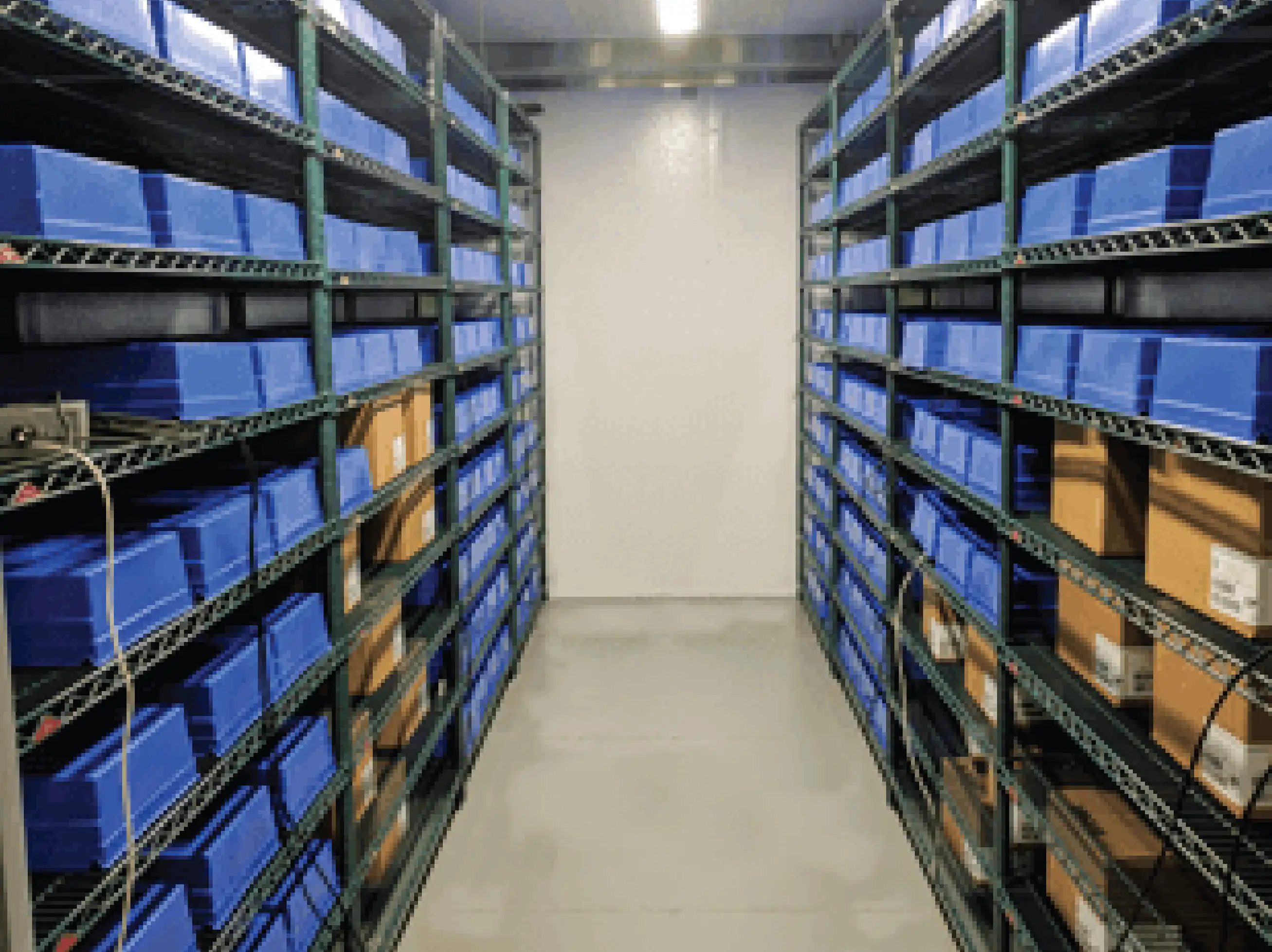
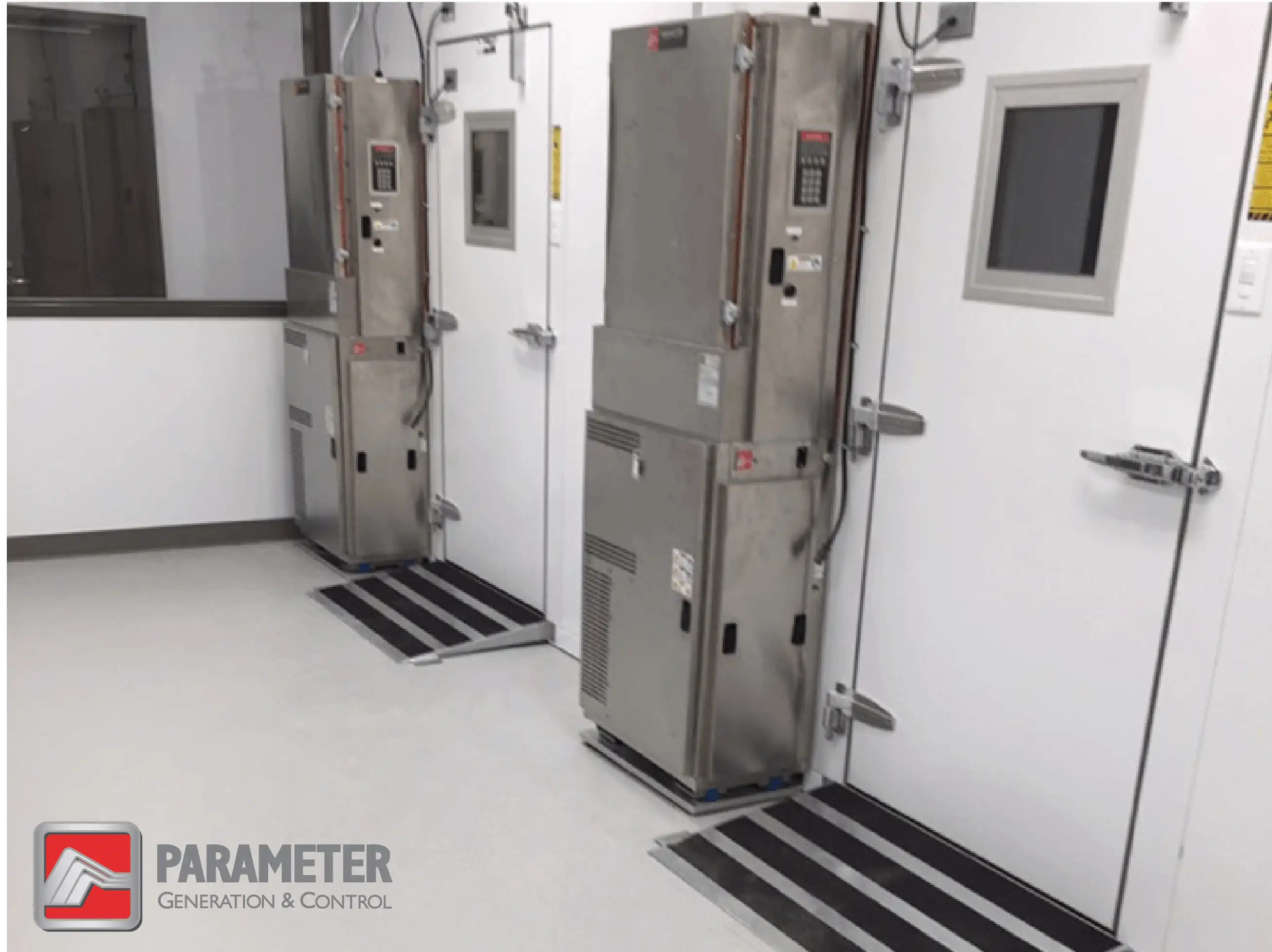
PGC Walk In Stability Rooms
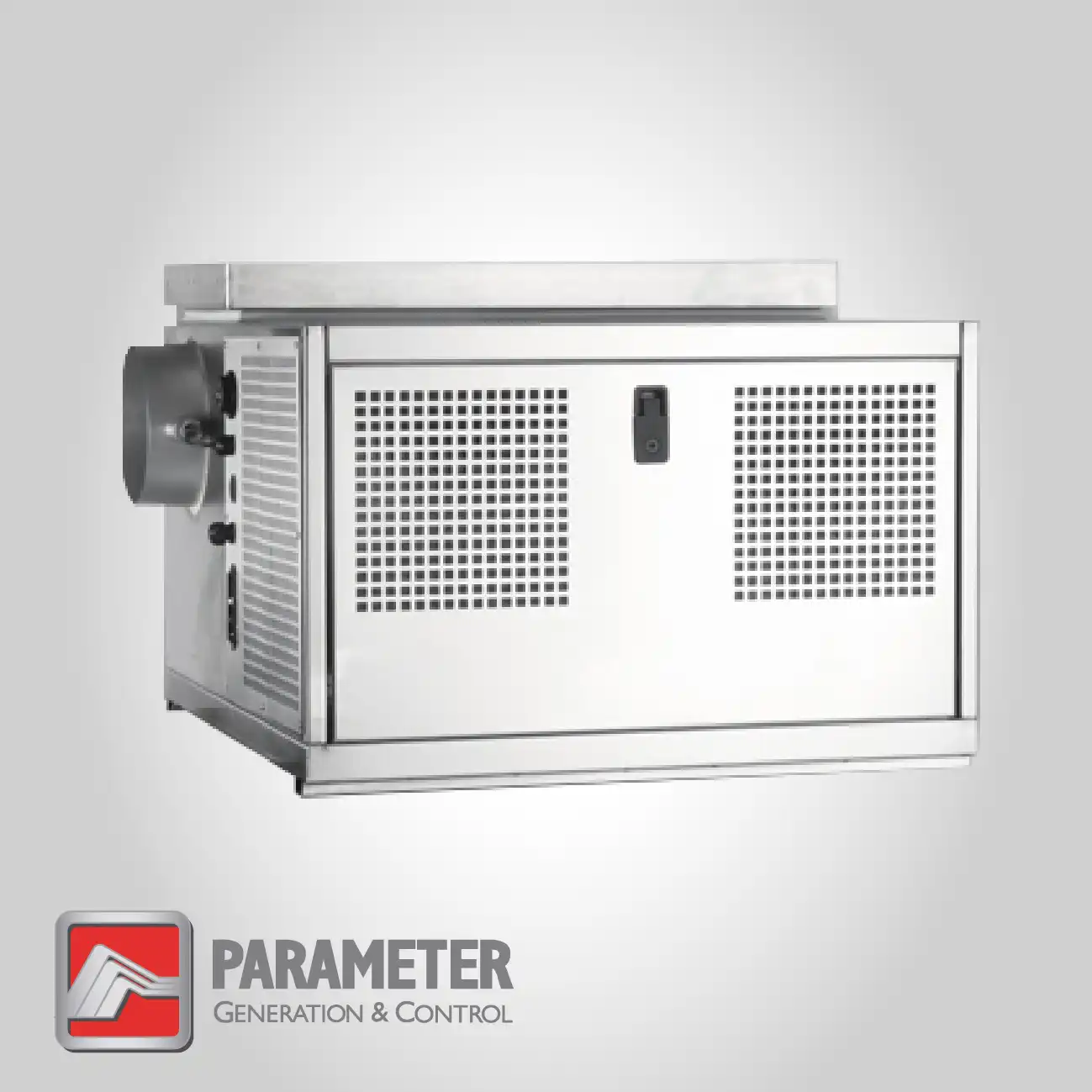
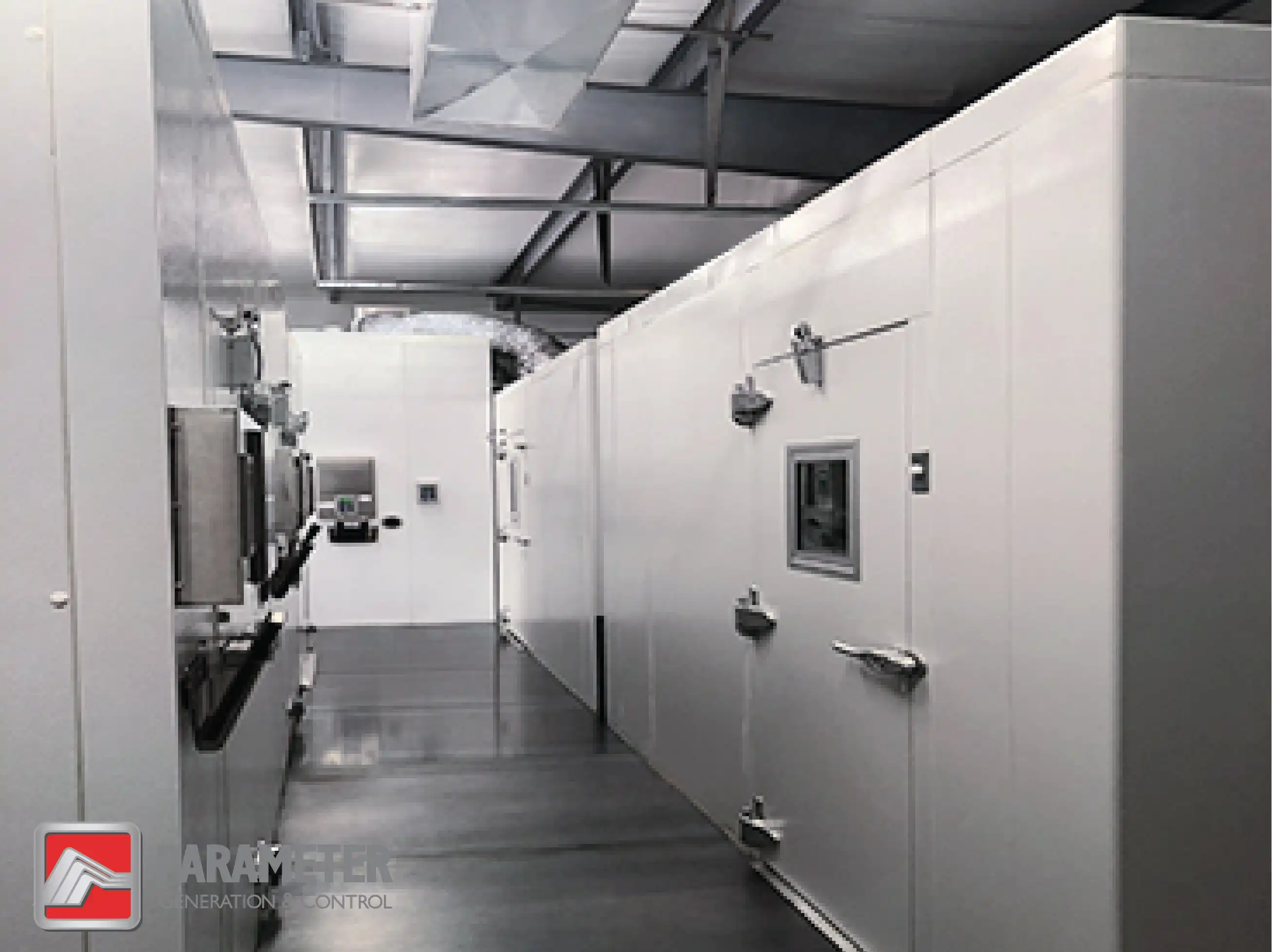
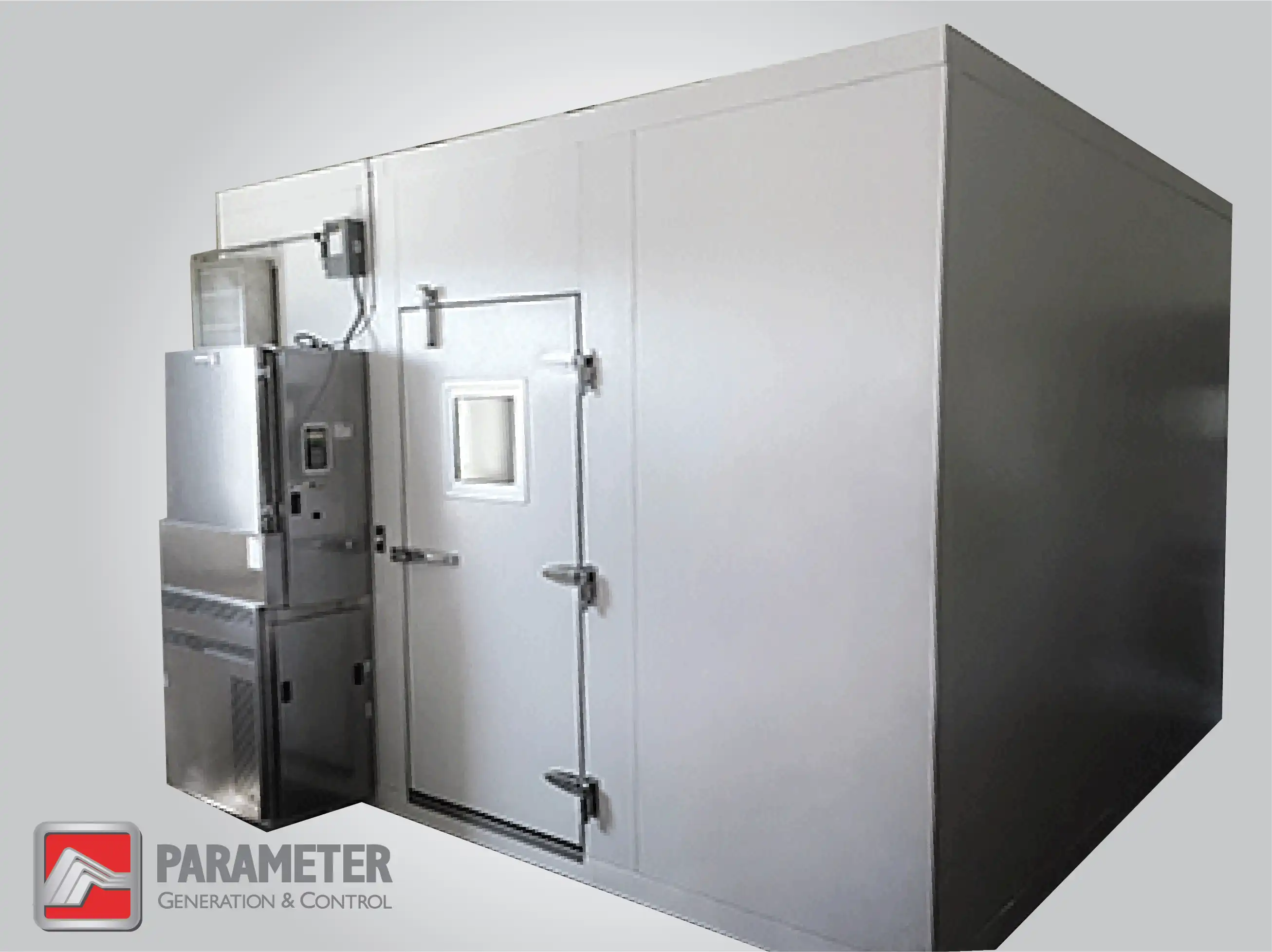
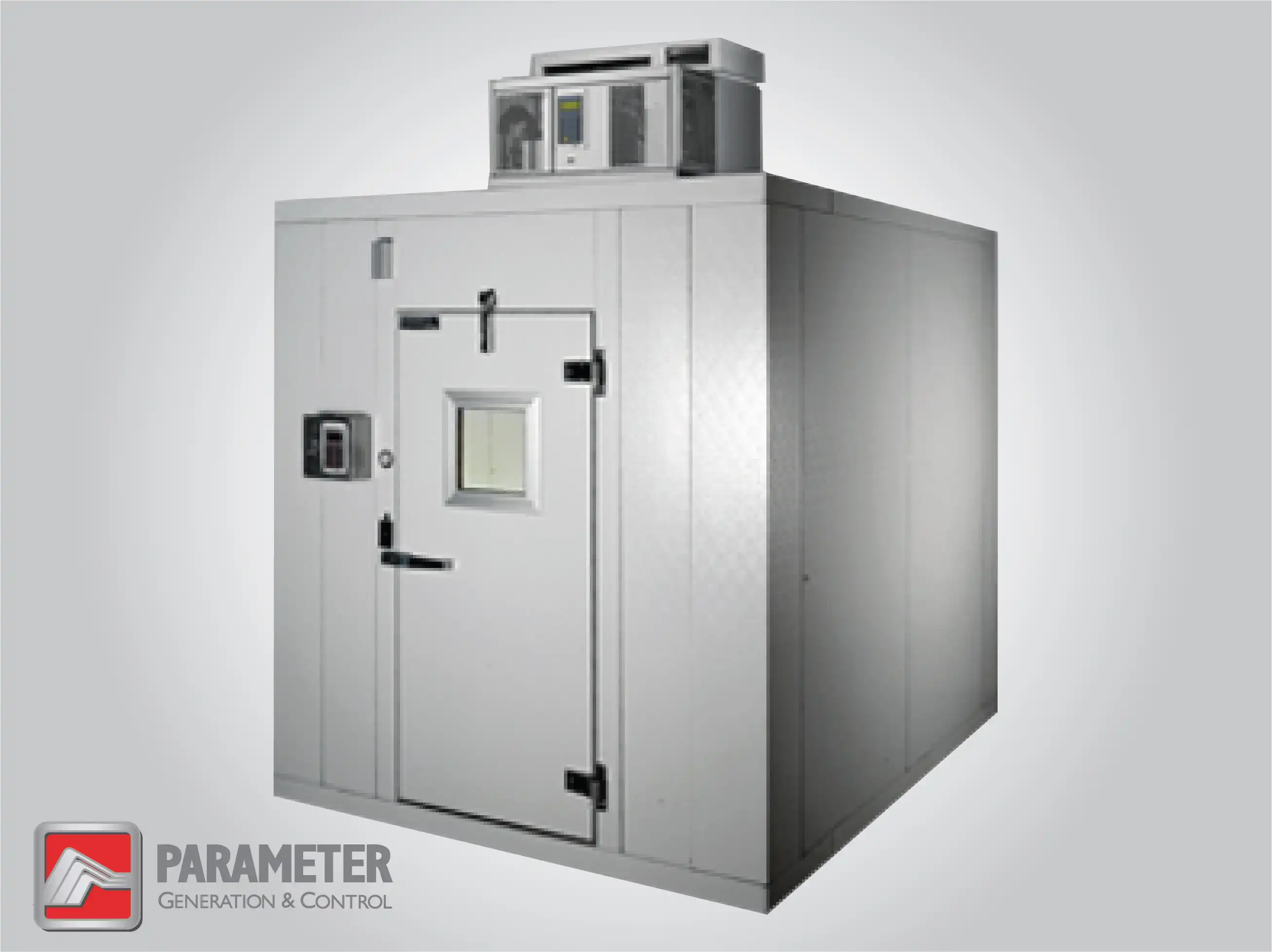
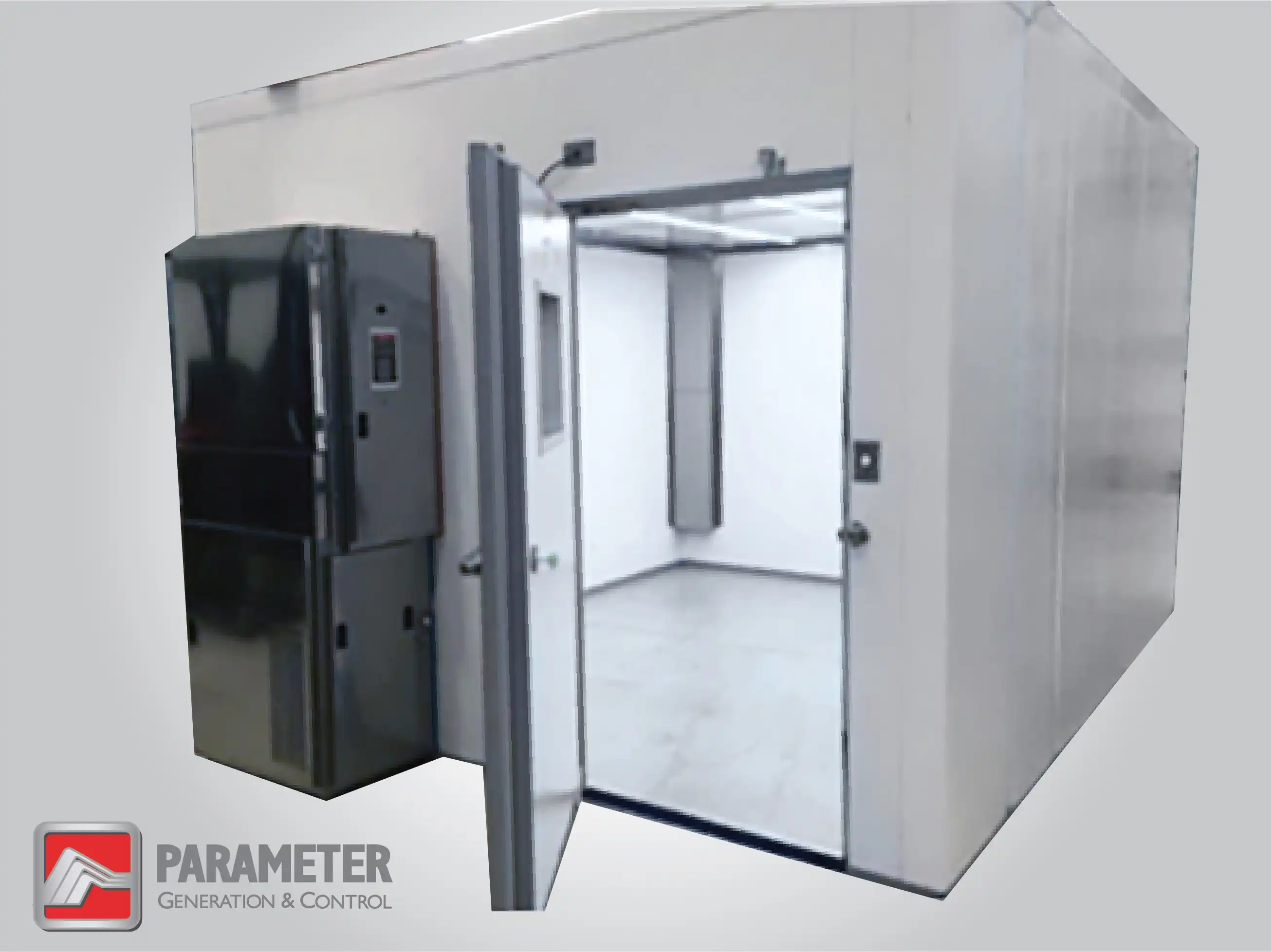
PGC walk-in stability rooms are technically engineered to provide highly stable and uniform environmental conditions for long-term storage and testing. These rooms utilize a modular construction system consisting of four-inch thick, high-density foam panels that offer superior thermal insulation. The interior and exterior surfaces are typically finished with embossed aluminum or stainless steel to ensure durability and chemical resistance.
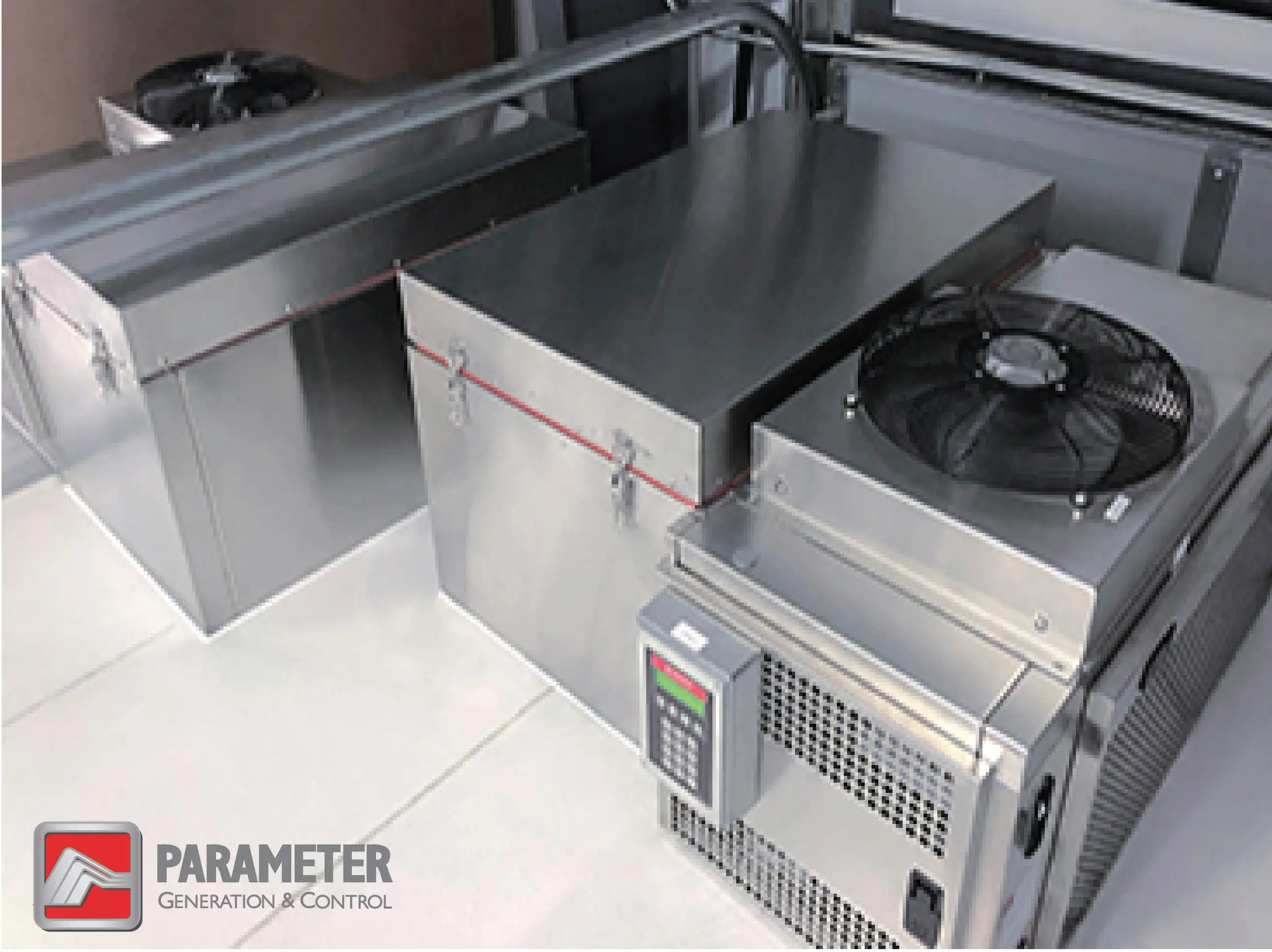
The core of the system is the mechanical plenum, which integrates high-efficiency fans and precise heating and cooling elements to maintain tight tolerances across the entire internal volume, making them ideal for pharmaceutical, biotechnology, and material science applications.
Modular Panel Construction and Thermal Integrity
Technically, the structural integrity of the stability room is achieved through modular panels. These panels are four inches thick and utilize high-density polyurethane foam insulation, which minimizes heat transfer between the interior and exterior environments. The panels are designed with cam-locking mechanisms to ensure an airtight seal at all joints. This technical construction is essential for maintaining consistent internal temperatures and reducing the energy load on the mechanical systems during long-term stability studies.
Advanced Airflow Dynamics and Plenum Design
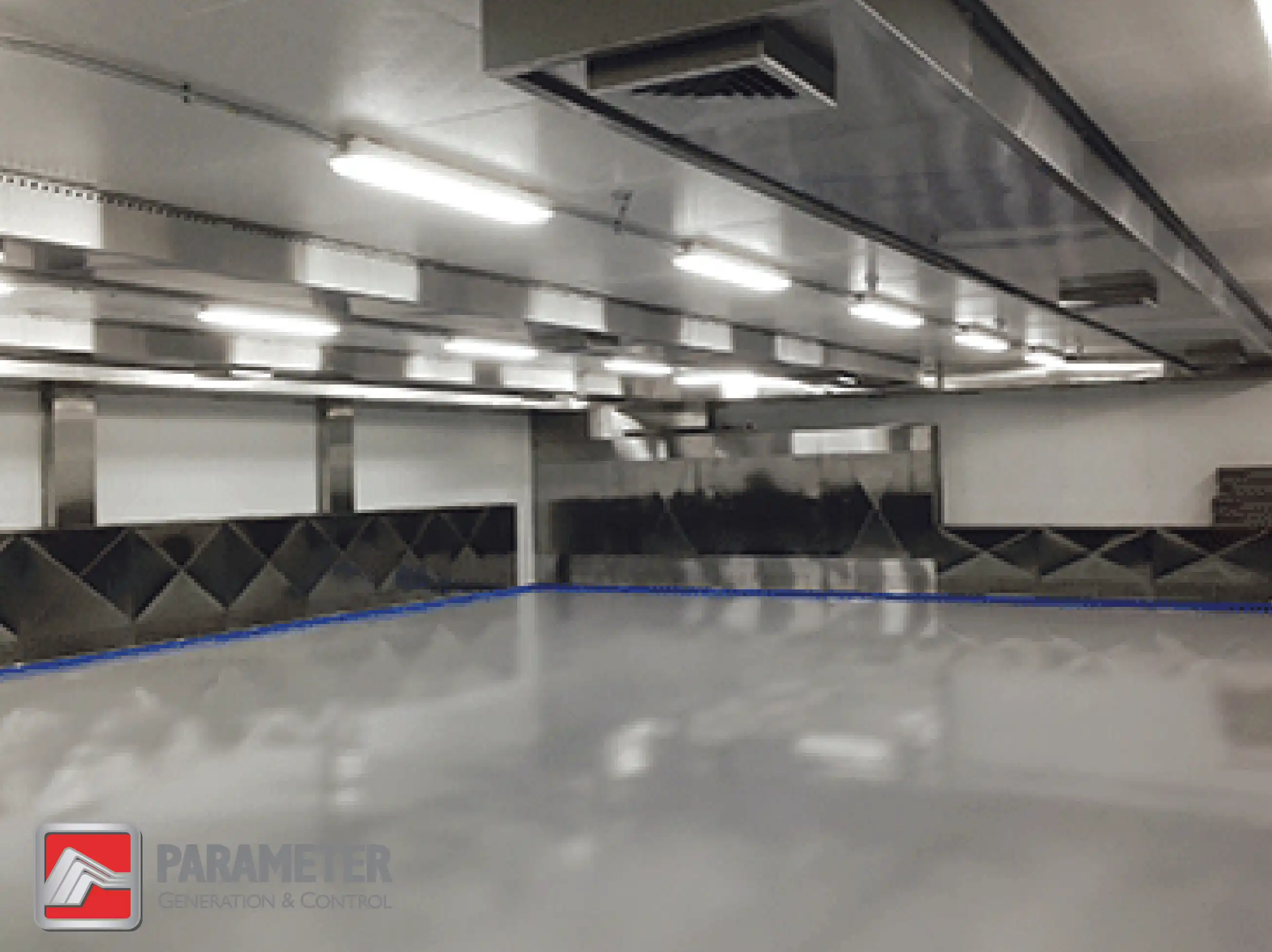
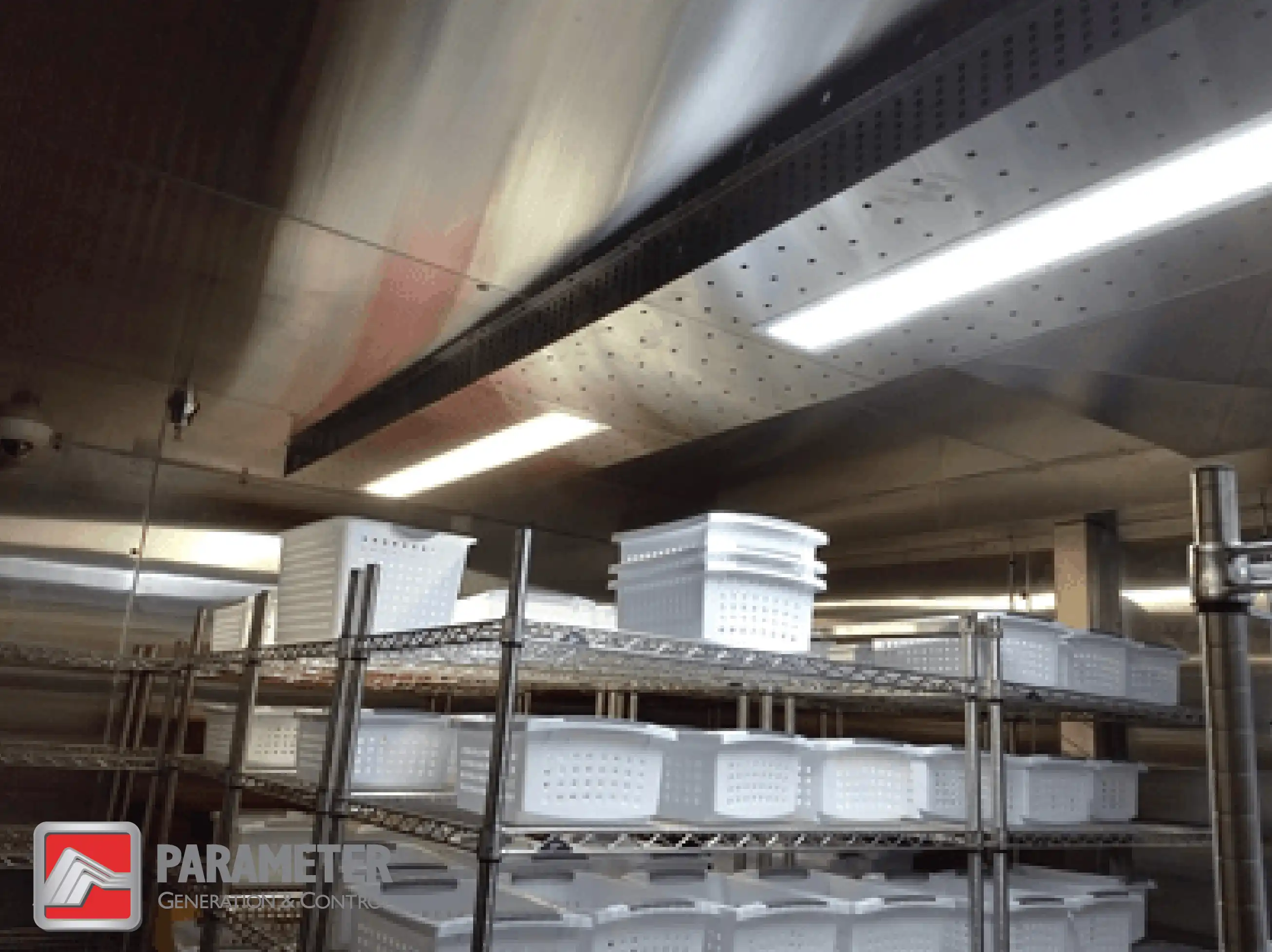
To ensure environmental uniformity, the rooms feature a dedicated conditioning plenum. Technically, high-efficiency blowers circulate conditioned air through a pressurized ceiling or wall distribution system. This design prevents localized temperature gradients and ensures that every shelf within the walk-in room is exposed to identical conditions. The airflow dynamics are carefully calculated to provide rapid recovery times after door openings, which is a critical technical requirement for maintaining ICH compliance.
Ultrasonic Humidification and Moisture Control
Moisture is introduced into the environment using ultrasonic humidification technology. Technically, this method creates a fine mist of water droplets that are easily absorbed into the airstream without significant thermal impact. Unlike steam generators, ultrasonic systems provide rapid response times and high precision in humidity control. This is paired with an electronic humidity sensor that provides constant feedback to the controller, allowing for tight tolerances in relative humidity (RH) levels.
High-Efficiency Air-Cooled Refrigeration Systems
The cooling capacity is provided by robust, air-cooled refrigeration units. Technically, these systems utilize environmentally friendly refrigerants and are designed for continuous 24/7 operation. The refrigeration cycle is managed by the central controller, which modulates the cooling output to match the heat load of the room. This ensures that the system operates efficiently while maintaining a stable temperature baseline, even when the room is fully loaded with samples.
Precision Digital Control and Data Logging
Operational control is managed via a high-performance digital interface. Technically, the controller allows for the precise setting of temperature and humidity setpoints. The system includes integrated data logging capabilities, capturing environmental parameters at defined intervals. This technical feature is vital for regulatory compliance, providing a verifiable audit trail that demonstrates the room remained within specified tolerances throughout the entire testing period.
Safety Engineering and Emergency Release Mechanisms
Safety is technically integrated into the room's hardware. The heavy-duty doors are equipped with a magnetic gasket seal to prevent air leakage and an internal emergency release handle. This ensures that personnel can exit the room even if the door is locked from the outside. Furthermore, the system includes independent safety thermostats that will cut power to the heaters or refrigeration unit if the temperature exceeds pre-defined safety limits, protecting the samples and the facility.
Material Durability and Corrosion Resistance
The choice of materials is technically driven by the need for longevity and cleanliness. Interior walls are typically constructed from 20-gauge embossed aluminum or stainless steel. These materials are chosen for their resistance to corrosion and ease of decontamination. The floor is often reinforced to handle heavy shelving loads and is finished with a non-slip surface. This technical durability ensures that the room can withstand the rigors of industrial use and frequent cleaning protocols.
Regulatory Compliance and Validation Support
PGC stability rooms are technically designed to meet the rigorous standards of the pharmaceutical and biotechnology industries. This includes compliance with ICH (International Council for Harmonisation) Q1A guidelines for stability testing. The rooms are built to facilitate easy validation, including Installation Qualification (IQ), Operational Qualification (OQ), and Performance Qualification (PQ). This technical alignment ensures that the data generated within the room is acceptable to regulatory bodies such as the FDA.