.webp)
Home » Products » Separation & NIR Solutions » NIR Spectroscopy » Buchi NIR-Online Multipoint Systems
NIR-Online Multipoint Systems
|
Continuous monitoring of key parameters
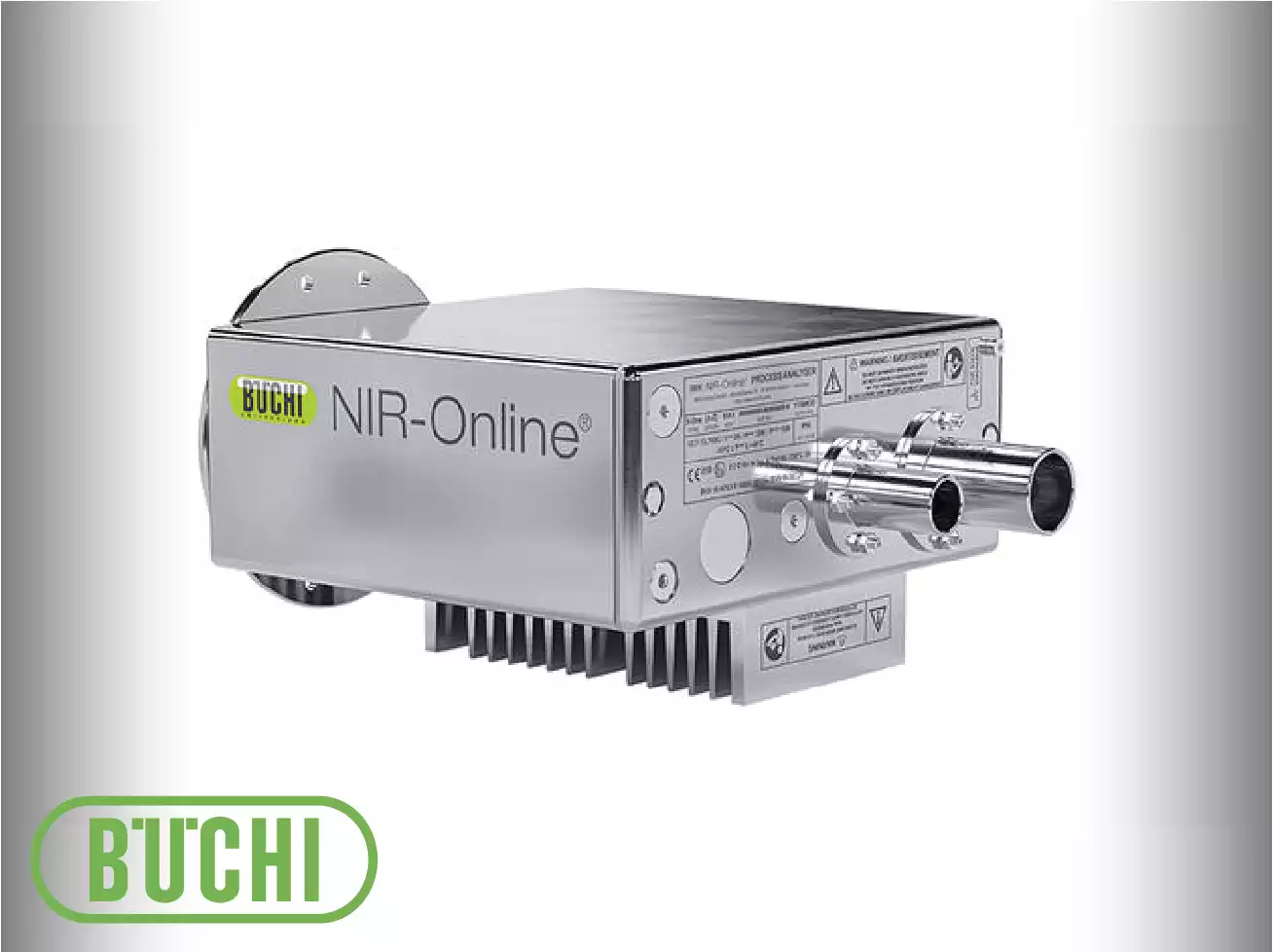
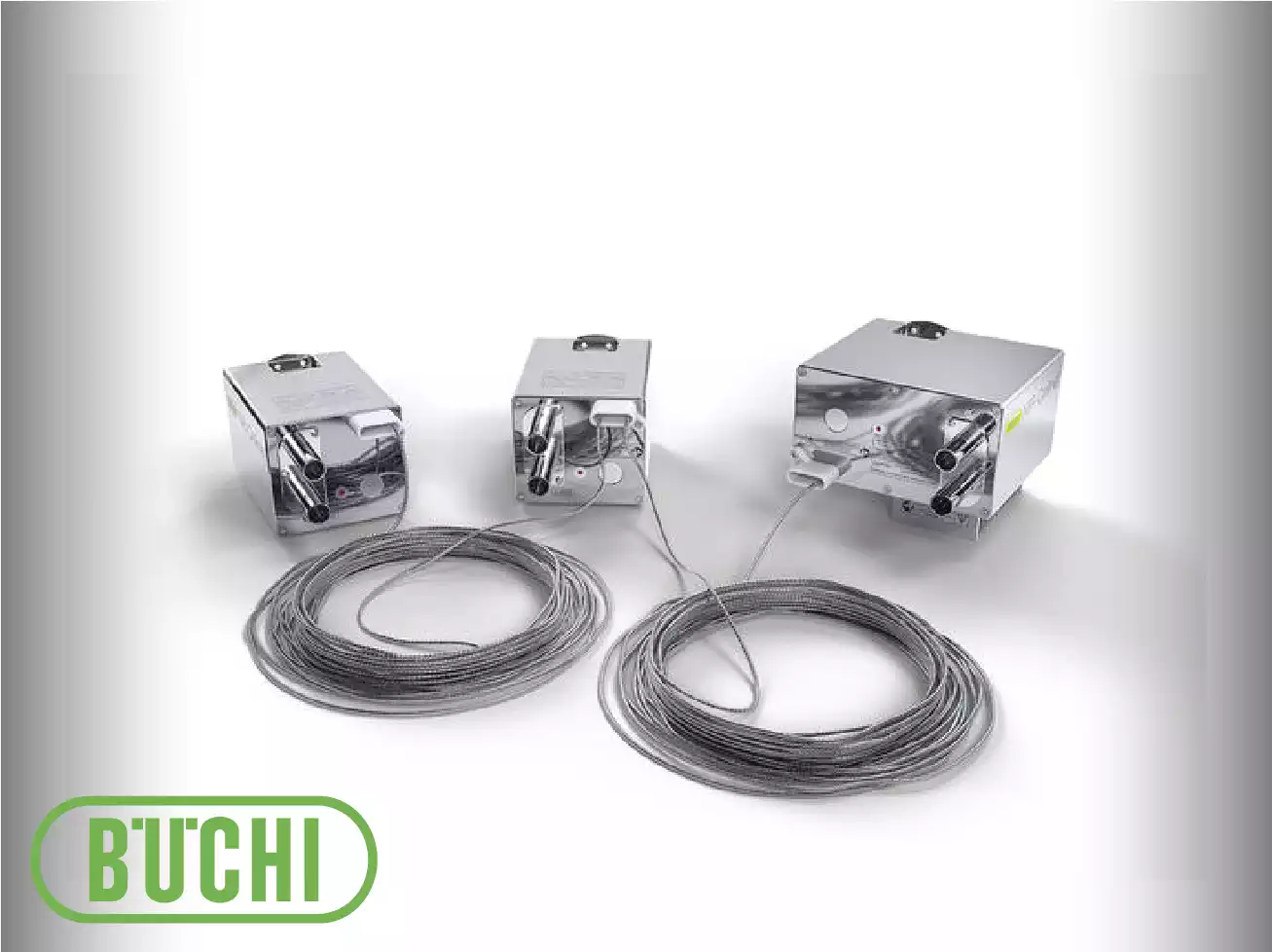
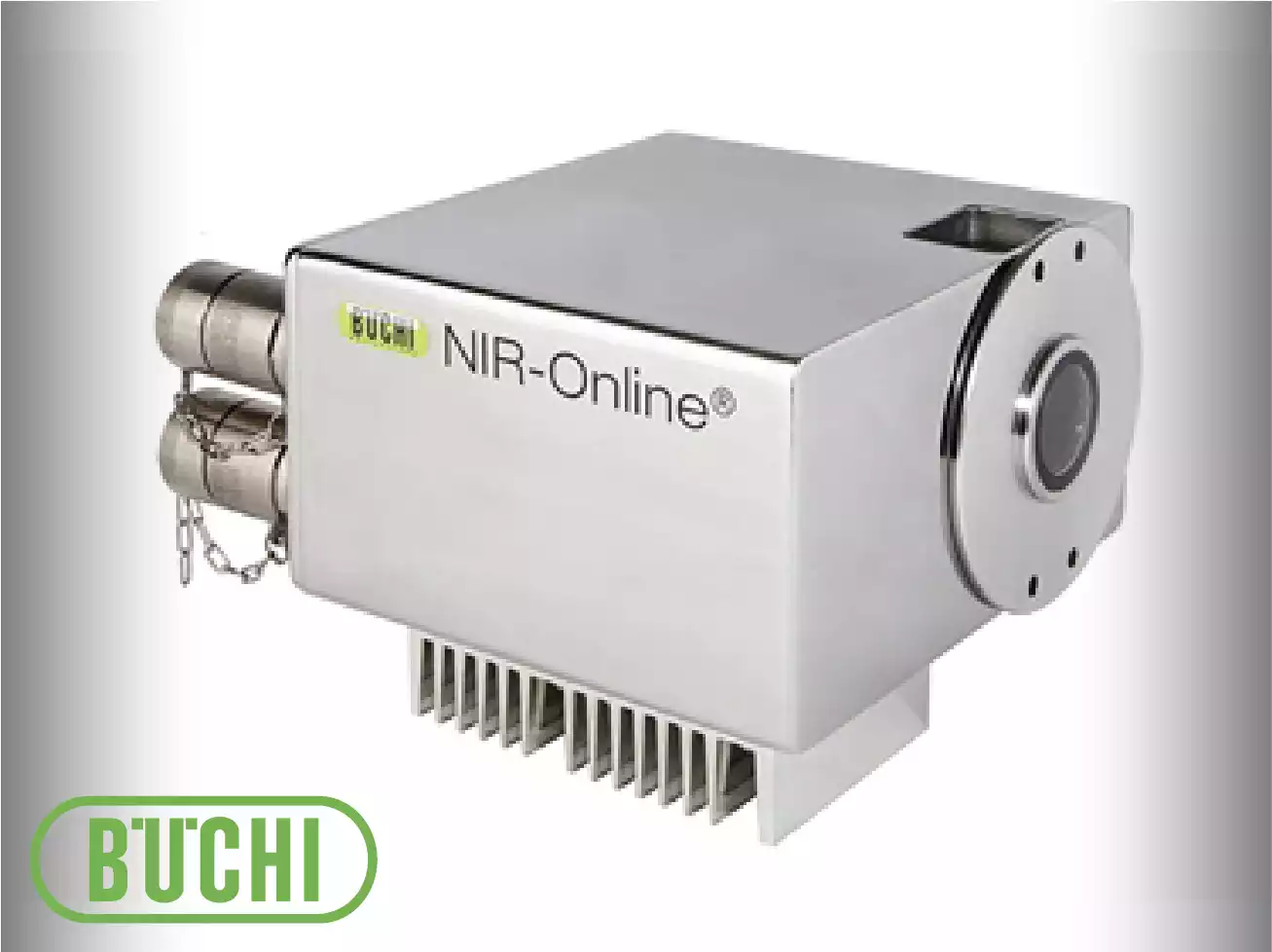
Buchi NIR-Online Multipoint Systems
Buchi’s NIR-Online Multipoint Systems are technically sophisticated solutions designed for the simultaneous monitoring of multiple process points within an industrial environment. The core of this system is a high-performance spectrometer coupled with a multiplexer, which allows for the sequential analysis of up to nine different measurement points. By utilizing fiber optic cables, the system can bridge significant distances between the central processing unit and the actual sampling locations on the production line.
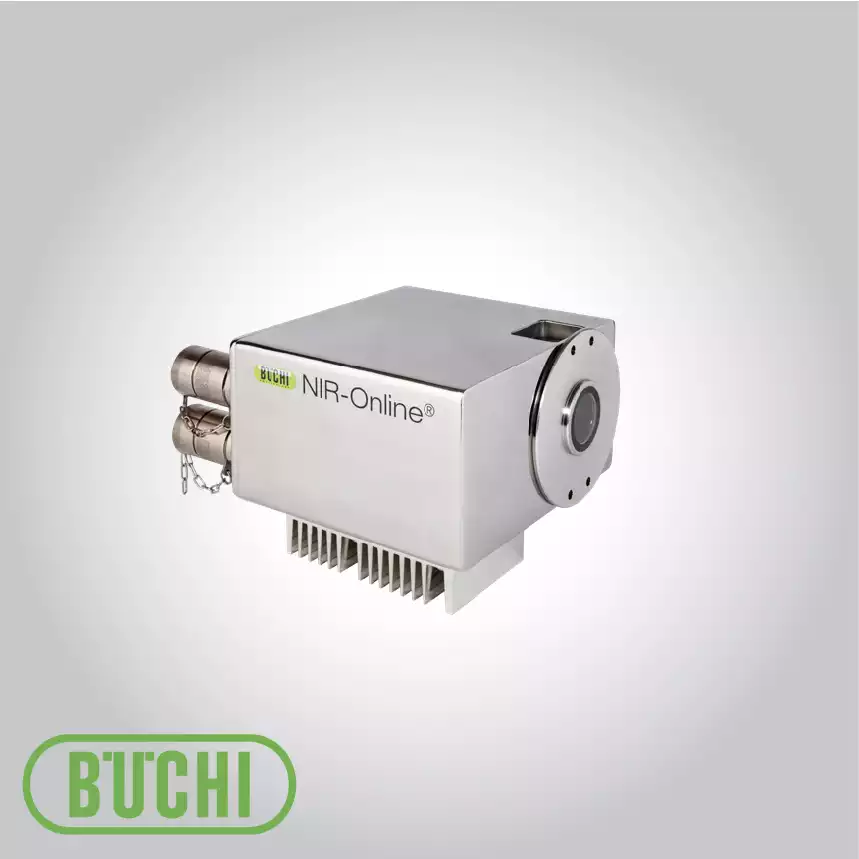
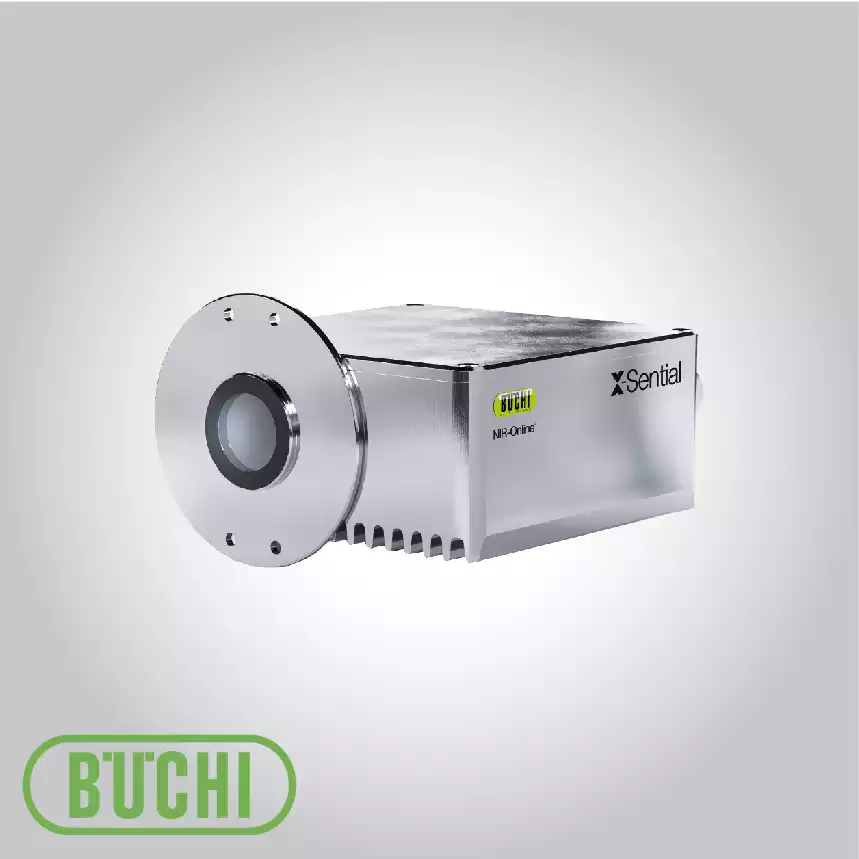
The system is engineered for maximum versatility, accommodating various measurement heads tailored for different product types and process conditions. These sensor heads can be configured for either reflection or transmission measurements, allowing the system to handle solids, powders, liquids, and slurries with equal precision. The robust design ensures that the sensor heads can be installed directly into pipes, tanks, or over conveyor belts, providing continuous data flow without the need for manual sampling.
Centralized Multiplexing for Scalable Analysis
The multipoint system utilizes a sophisticated optical multiplexer to switch between different measurement channels. This component is the technical brain that enables a single spectrometer to serve multiple sensor heads sequentially. By centralizing the analytical power, laboratories and production facilities can scale their monitoring capabilities without the exponential cost of purchasing separate instruments for every location. This sequential switching is performed at high speeds, ensuring that each point on the line is updated frequently enough to allow for effective process control and trend analysis.
High-Fidelity Fiber Optic Transmission
To connect the central spectrometer to distal measurement points, the system employs high-quality fiber optic technology. These cables are designed to transmit the light signal over long distances—often up to $100\text{ m}$—without significant loss of spectral integrity or signal-to-noise ratio. This allows the sensitive electronic and optical components of the spectrometer to be housed in a controlled, safe environment, such as a server room or a clean area, while the rugged sensor heads are positioned directly in the harsh conditions of the production floor.
Specialized Sensor Heads for Reflection and Transmission
The system offers technical flexibility through a variety of sensor heads designed for specific sampling geometries. Reflection heads are typically used for solids and powders, where the light is bounced off the product surface to determine its composition. Transmission heads, on the other hand, are engineered for liquids and translucent materials, passing light through the sample to a detector on the opposite side. This adaptability ensures that the multipoint system can be deployed in diverse industries, from dairy and meat processing to chemical manufacturing.
Continuous Real-Time Process Integration
Unlike traditional laboratory analysis which involves time-consuming sampling and transport, the multipoint system provides continuous, real-time data. The sensors are integrated directly into the process flow, meaning measurements are taken every few seconds. This high-frequency data stream allows for the detection of process drifts or "out-of-specification" events as they happen. Technically, this enables automated control loops where the NIR data can trigger immediate adjustments in dryer temperatures, mixing ratios, or ingredient dosing.
Robust Design for Harsh Industrial Environments
The measurement heads are built to withstand the rigors of industrial environments, including vibrations, dust, and temperature fluctuations. Many components are designed with high ingress protection (IP) ratings and can be offered in explosion-proof (ATEX) versions for use in hazardous areas where combustible dust or gases may be present. This robustness ensures that the system provides reliable performance in 24/7 operations, minimizing downtime and maintenance requirements even in demanding sectors like grain milling or oilseed crushing.
Seamless Data Management and Software Connectivity
Managing up to nine separate data streams requires powerful integrated software. The system's technical architecture allows for the simultaneous display and processing of results from all measurement points on a single interface. This software typically includes tools for calibration management, trend visualization, and integration with PLC or SCADA systems. This connectivity ensures that the analytical data is not just recorded but is actively used by the plant's automation system to maintain product quality within strict tolerances.
Cost-Efficiency through Multi-Point Coverage
One of the primary technical advantages of a multipoint setup is the significant reduction in cost per measurement point. By utilizing a single spectrometer to monitor multiple locations, the initial investment is distributed across several process stages. This makes advanced NIR technology accessible for points where a dedicated spectrometer might not be financially justifiable, such as monitoring individual silos or secondary mixing stages. The centralized maintenance of one spectrometer also reduces long-term operational costs.
Enhanced Product Consistency and Yield Optimization
From a technical process standpoint, the multipoint system is a tool for yield optimization. By monitoring the product at every stage, from the moisture of incoming raw materials to the fat content of the final product, manufacturers can operate closer to the legal or functional limits. For instance, maintaining moisture content at the exact target level prevents over-drying, which saves energy and increases the total product weight (yield). The ability to monitor multiple points ensures that quality is verified throughout the entire transformation process.
Read More About Buchi Products Here.