



.webp)
Home » Products » Operational Environment Solutions » Thermal Validation Systems » KAYE Wired Validation Systems
High-Accuracy Wired Thermal Validation Systems
|
for GxP Compliance

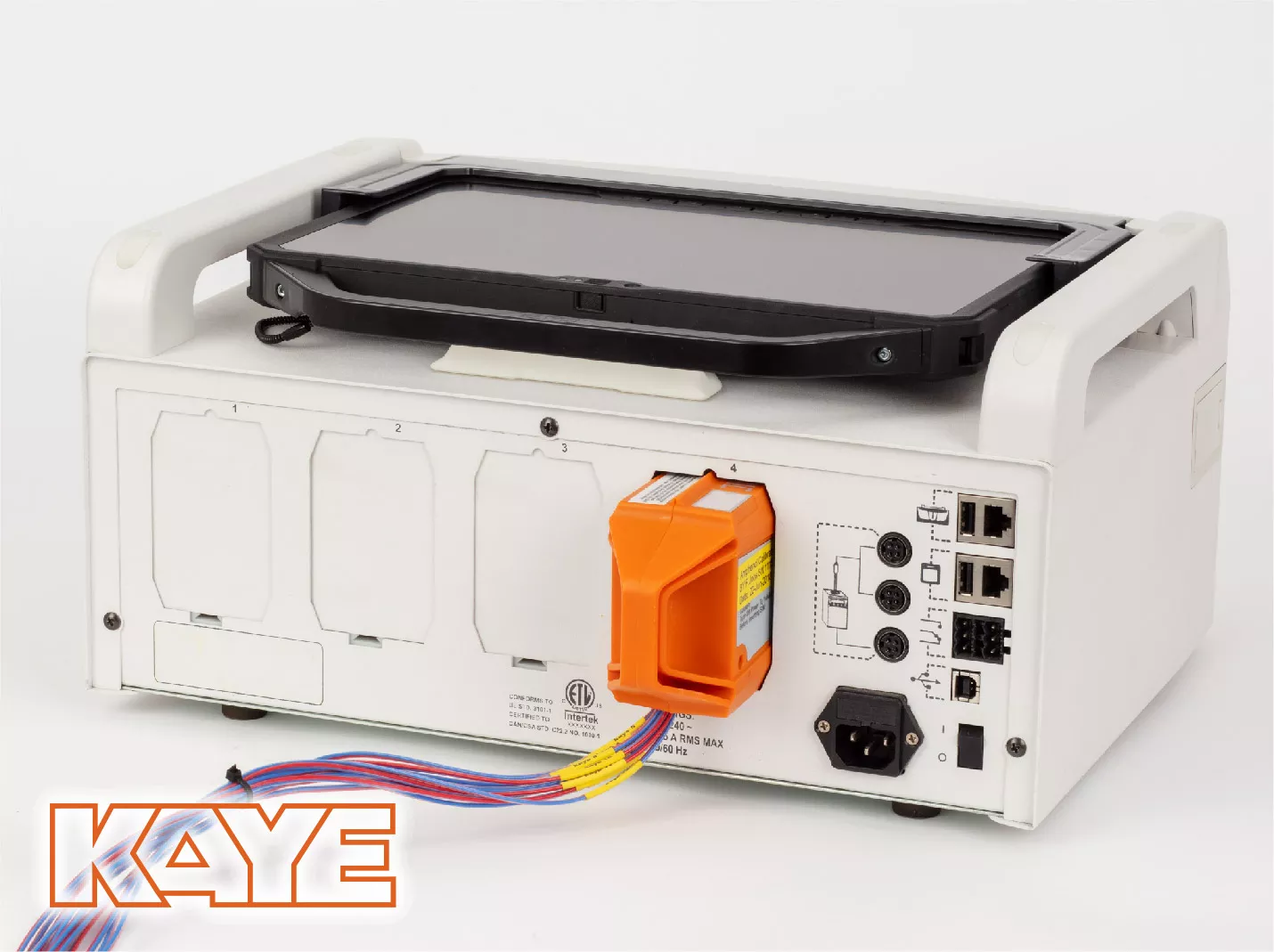
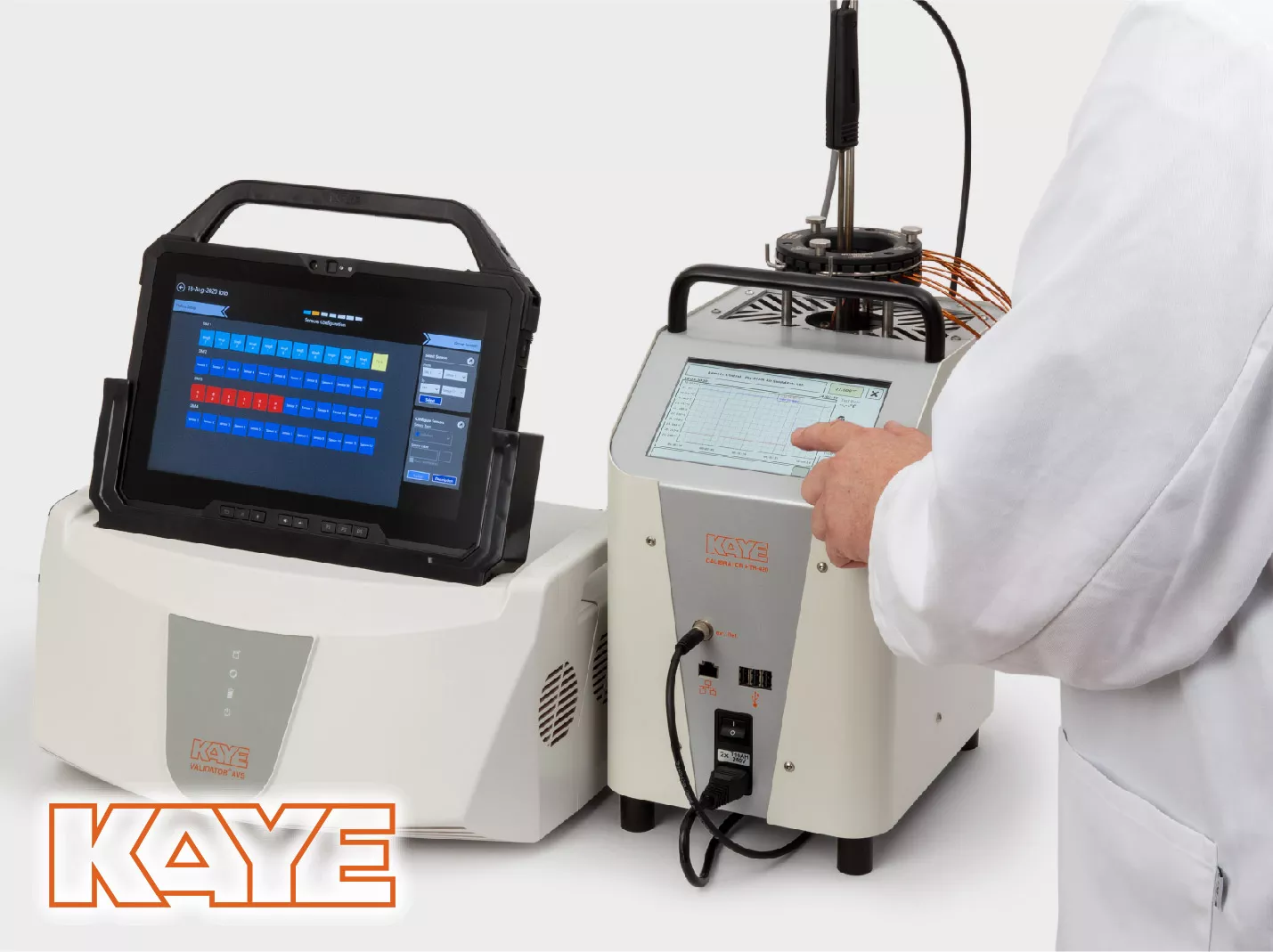
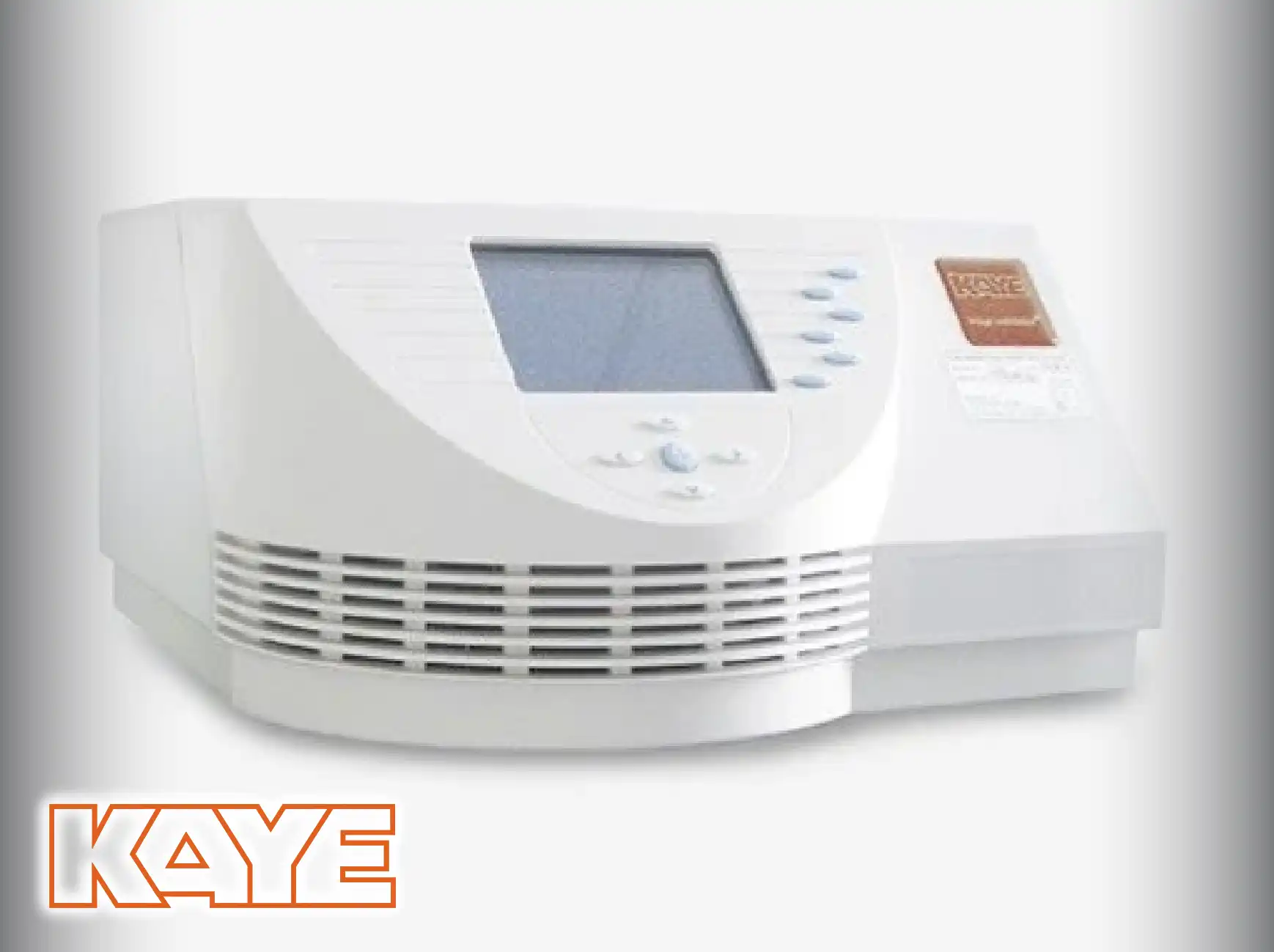
KAYE Wired Validation Systems
These wired systems offer unparalleled channel capacity, allowing users to concurrently monitor all necessary parameters—including temperature, pressure, and relative humidity—within a single, unified validation study. The capacity to accommodate a large array of sensors is essential for complex equipment like large capacity autoclaves or expansive stability chambers, where comprehensive spatial characterization of the thermal environment is a mandatory GxP requirement. The integrated software provides sophisticated study management, enabling the user to define, execute, and analyze studies with advanced statistical tools and automated compliance checks, simplifying the qualification process.
The core technology relies on highly accurate, traceable input modules that convert sensor measurements into digital data with minimal error. This design approach directly addresses the challenge of ensuring measurement traceability back to national standards, a cornerstone of regulatory compliance. Furthermore, the system is designed to provide graphical and tabular reporting capabilities immediately post-study completion, featuring calculation functions for critical parameters such as F0 (sterilization lethality) and homogeneity statistics, thereby drastically accelerating the final documentation and approval phases.
The implementation of Database-Driven architecture fundamentally addresses the administrative difficulty associated with managing massive volumes of raw validation data generated across years of facility operations. By centralizing all study files, sensor calibrations, and system configurations within a secure, relational database, the risk of misfiling or inability to retrieve specific historical records during regulatory audits is eliminated, providing a single, trustworthy source of compliance evidence.
The hardware's capability for concurrent and comprehensive Measurement Uncertainty calculation ensures that validation engineers can scientifically prove the reliability of their thermal data. This technical feature directly counteracts the regulatory scrutiny often applied to data reliability, establishing a quantified level of confidence in the reported temperature ranges for critical process phases like the hold time in an autoclave or the dwell period in a dry heat sterilizer.
The system utilizes an enhanced suite of high-accuracy input Multiplexers designed to electrically isolate each thermocouple channel. This isolation is a technical necessity that combats the pervasive issue of signal corruption and common-mode noise that can plague measurement in industrial environments, ensuring that the integrity of the collected low-voltage thermal signals is preserved even in the presence of strong electromagnetic interference.
A key feature is the integrated support for highly repeatable in-situ Sensor Calibration routines. This functionality significantly reduces equipment downtime by allowing calibration verification to be performed rapidly against certified standards, minimizing the operational disruption caused by removing and sending numerous sensors off-site, which often delays the start of crucial production runs.
The advanced software facilitates a highly efficient Real-Time Analysis environment, providing immediate visual feedback and deviation alerts during the validation run. This capability is paramount for quickly identifying and troubleshooting process anomalies, preventing the costly necessity of repeating hours-long sterilization cycles and ensuring that non-compliant runs are identified and halted before resources are wasted.
By adhering to strict Electronic Record guidelines, the system ensures that all captured validation data, audit trails, and final reports meet the technical specifications of GxP regulations. The use of secure, non-editable data files and cryptographic hashes guarantees that the recorded historical process data is authentic and reliable, removing any risk of non-compliance based on questionable data integrity practices.
The Process Mapping function is augmented by specialized input cards that accept various sensor types simultaneously, including resistance temperature detectors and pressure transducers alongside thermocouples. This multi-parameter capability removes the logistical complexity of using separate systems to qualify combination processes, ensuring comprehensive monitoring where temperature and pressure profiles must be precisely correlated for efficacy.
The system design emphasizes simplicity in System Scalability, enabling the validation team to rapidly increase the number of monitored channels across various processing units simply by adding input modules. This flexible modularity addresses the challenge faced by growing facilities that need to qualify new equipment without investing in entirely new validation infrastructure or facing complex software re-validation.
Click here to know more about KAYE products and solutions
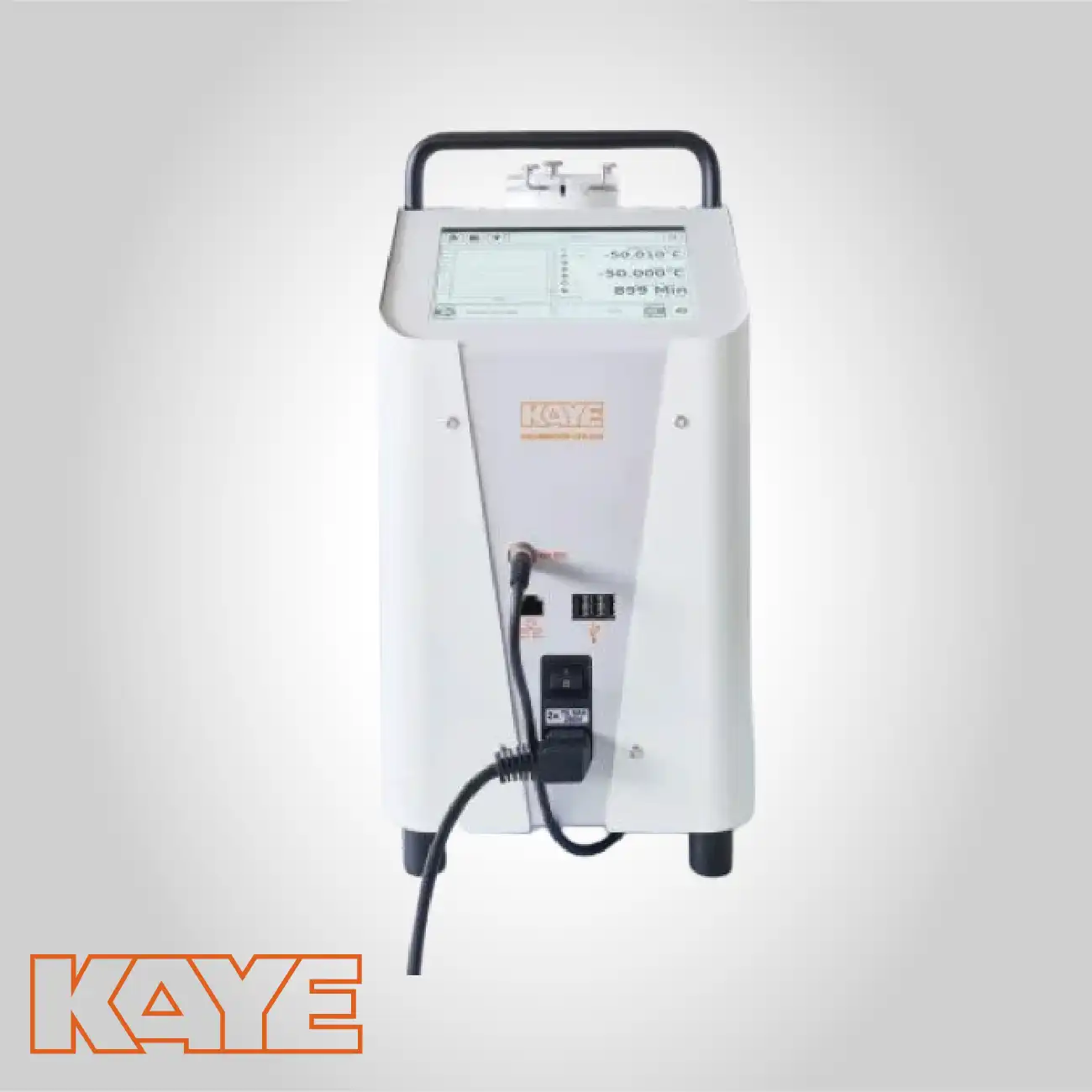
.webp)
 ValProbe RT System Related.webp)