.webp)
Mercury Analyzers
|
Address the analysis of solids, semi-solids and liquids.
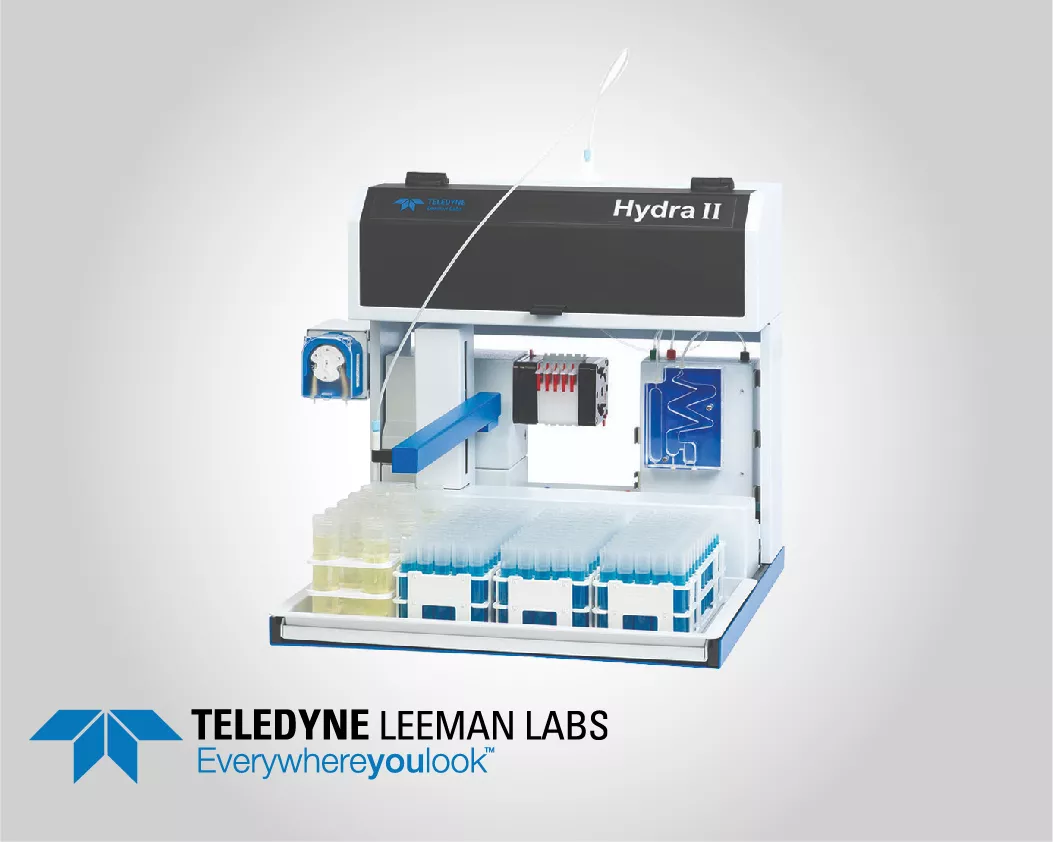
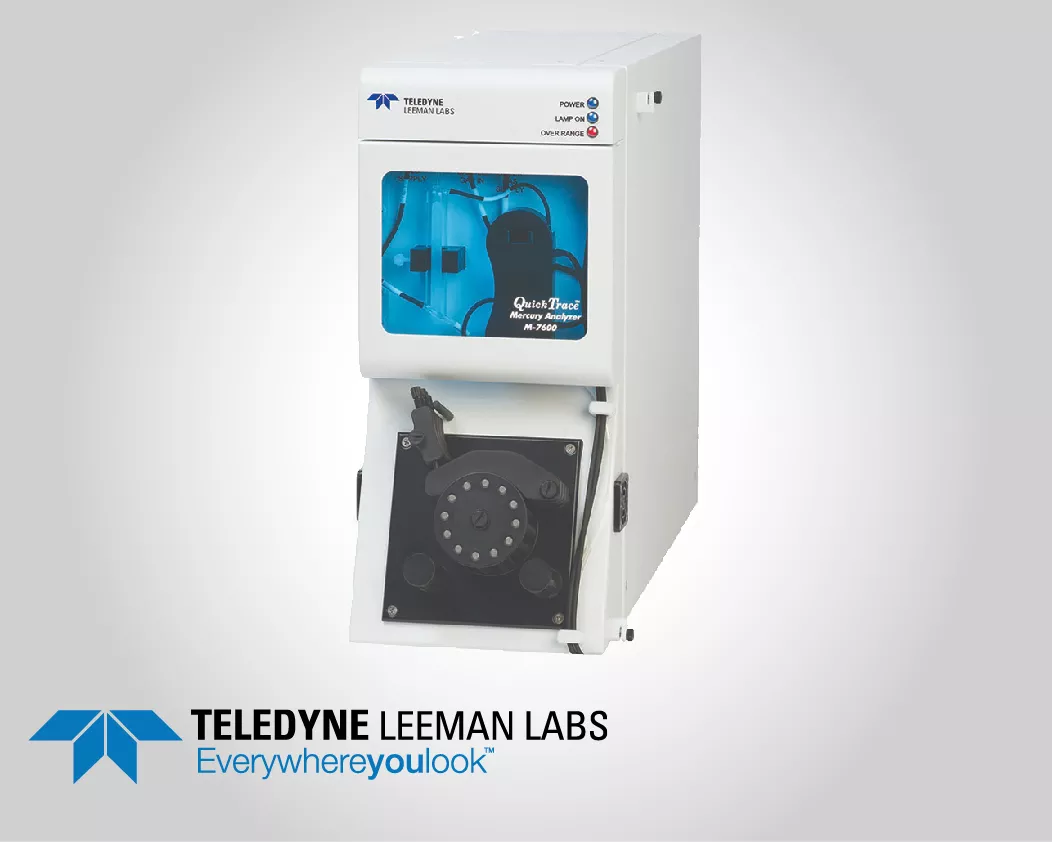
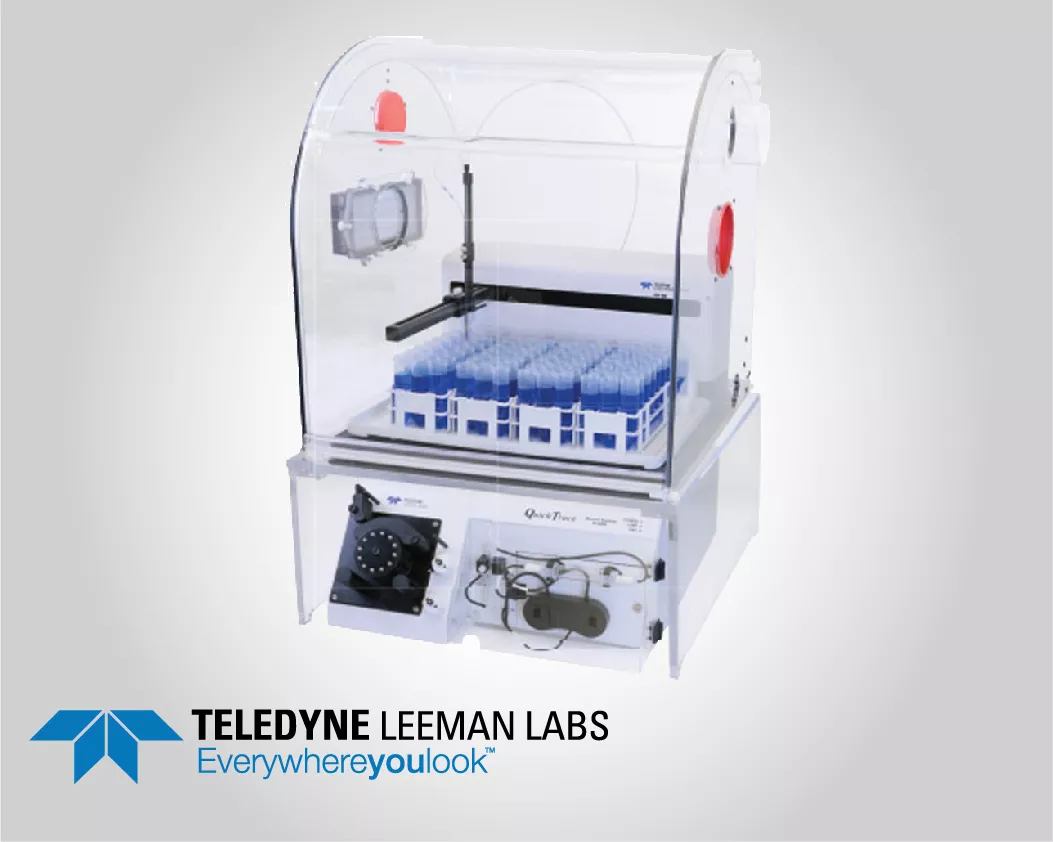
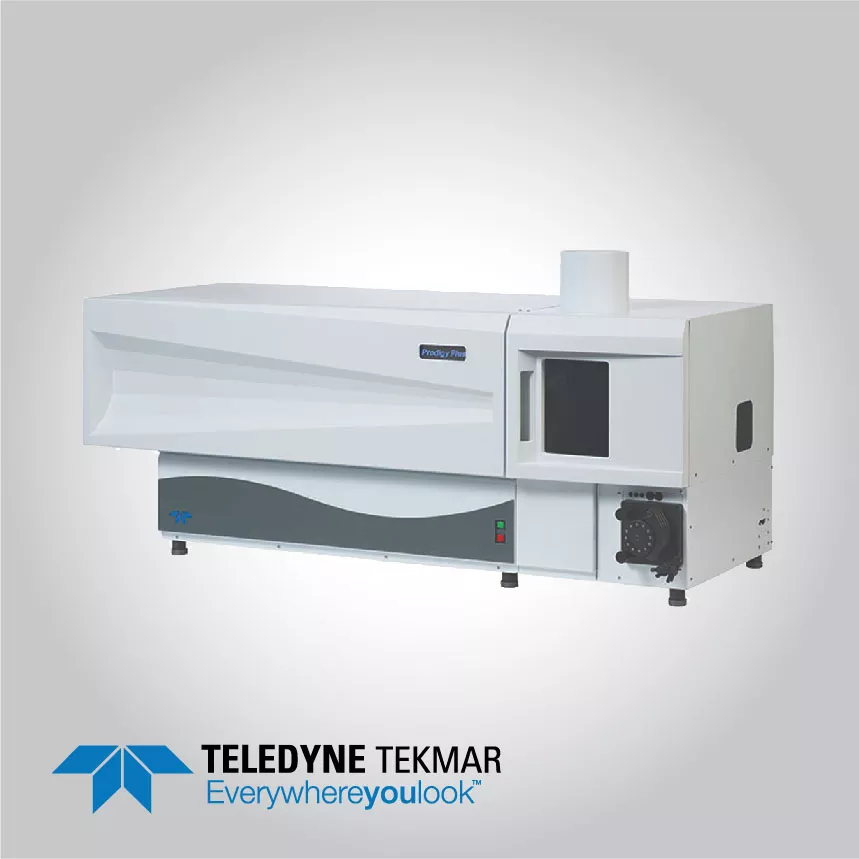
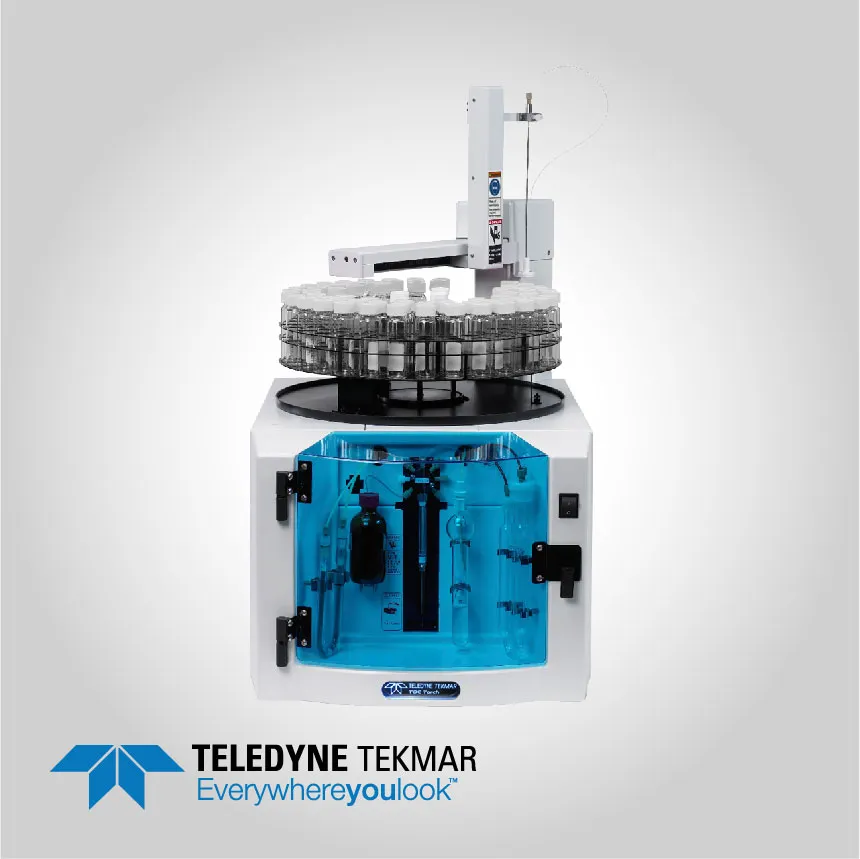
Teledyne Mercury Analyzers
Teledyne Labs mercury analysis systems are engineered to meet the stringent demands of ultra-trace elemental detection across a variety of complex matrices. These analyzers primarily utilize Cold Vapor Atomic Absorption (CVAA) and Cold Vapor Atomic Fluorescence (CVAF) spectroscopy to provide high sensitivity and wide dynamic ranges. The technical foundation of these instruments involves the chemical reduction of mercury ions in a liquid sample to elemental mercury vapor. This vapor is then transported via an inert carrier gas into an optical cell where it is quantified by its characteristic absorption or fluorescence.
The technical superiority of Teledyne’s mercury platforms is rooted in their advanced automation and modular design. Integrated systems offer automated sample digestion and preparation, which significantly reduces the risk of human error and atmospheric contamination—a critical factor in mercury analysis. By employing specialized gold-trap amalgamation technology, the instruments can concentrate mercury from large sample volumes, pushing detection limits down to parts-per-quadrillion (ppq) levels.
Cold Vapor Atomic Absorption (CVAA) Principles
The Cold Vapor Atomic Absorption technique is a fundamental method used for the determination of mercury. It relies on the unique property of mercury to remain in a gaseous state at room temperature. In the analyzer, mercury in the sample is reduced to its elemental form and purged into a measurement cell. A mercury lamp emits light at a specific wavelength (253.7 nm), which is absorbed by the mercury atoms. The amount of light absorbed is directly proportional to the concentration of mercury in the sample, allowing for precise quantification in the parts-per-billion and parts-per-trillion ranges.
Cold Vapor Atomic Fluorescence (CVAF) Sensitivity
For laboratories requiring the lowest possible detection limits, Cold Vapor Atomic Fluorescence (CVAF) is the preferred technical solution. While similar to absorption, CVAF measures the light re-emitted (fluoresced) by mercury atoms after they have been excited by a specialized light source. Since the fluorescence signal is measured against a dark background, the signal-to-noise ratio is significantly higher than in absorption methods. This allows Teledyne systems to reach detection limits in the sub-ppt and ppq levels, essential for ultra-pure water and atmospheric research.
Dual-Stage Gold Amalgamation Technology
To achieve extreme sensitivity, Teledyne mercury analyzers often incorporate dual-stage gold amalgamation. This process involves capturing mercury vapor on a gold-coated substrate, forming a mercury-gold amalgam. This trap is then rapidly heated to release the mercury in a concentrated pulse into the detector. By using two traps in series, the system effectively eliminates interfering substances and focuses the analyte, resulting in a cleaner signal and the ability to analyze very large sample volumes to find minute traces of mercury.
Automated Sample Digestion and Preparation
Mercury is a highly volatile and reactive element, making manual sample preparation a significant source of error and contamination. Teledyne provides automated digestion systems that perform complex chemical additions, heating, and cooling cycles within a closed environment. This technical integration ensures that all mercury species (organic and inorganic) are converted into a stable form ready for reduction, while protecting the sample from external contaminants and protecting laboratory personnel from hazardous reagents.
High-Efficiency Gas-Liquid Separators
A critical component in the sample introduction system is the gas-liquid separator. This device is designed to efficiently transition mercury vapor from the liquid reaction mixture into the carrier gas stream. Teledyne’s separators utilize advanced hydrodynamics to maximize the surface area for gas exchange while preventing liquid droplets or aerosols from entering the optical bench. This technical precision prevents baseline noise and protects the optical components from moisture and chemical corrosion.
Solid Sample Analysis via Thermal Decomposition
In addition to liquid analysis, Teledyne platforms offer solutions for solid samples through thermal decomposition. This technical approach eliminates the need for wet chemical digestion. The solid sample is heated in an oxygen-rich environment to release mercury vapor, which is then passed through a series of catalysts to remove combustion by-products. The mercury is then trapped and measured via CVAA. This method is particularly efficient for analyze coal, soil, and food samples, saving significant time and reducing reagent consumption.
Integrated Mercury Speciation Capabilities
Understanding the form of mercury—whether elemental, inorganic, or organic—is vital for toxicological and environmental assessments. Teledyne’s systems can be configured with specialized interfaces to perform mercury speciation. By coupling the analyzer with chromatographic separation, different mercury compounds are eluted at different times and measured sequentially. This provides a detailed profile of the mercury types present in a sample, which is essential for research in methylmercury contamination and industrial process safety.
Robust Optical Systems and Stability Control
The optical benches in Teledyne mercury analyzers are designed for maximum durability and thermal stability. Utilizing high-quality quartz cells and stable light sources, the systems minimize drift caused by temperature fluctuations or lamp aging. Integrated sensors monitor the light intensity and compensate for any changes in real-time. This technical control ensures that the instrument maintains its calibration for extended periods, reducing the need for frequent recalibration and increasing the overall efficiency of the laboratory workflow.
Click here for more information about Teledyne range of products