.webp)
Total Organic Carbon (TOC) Analysis
|
Easier-to-use solutions
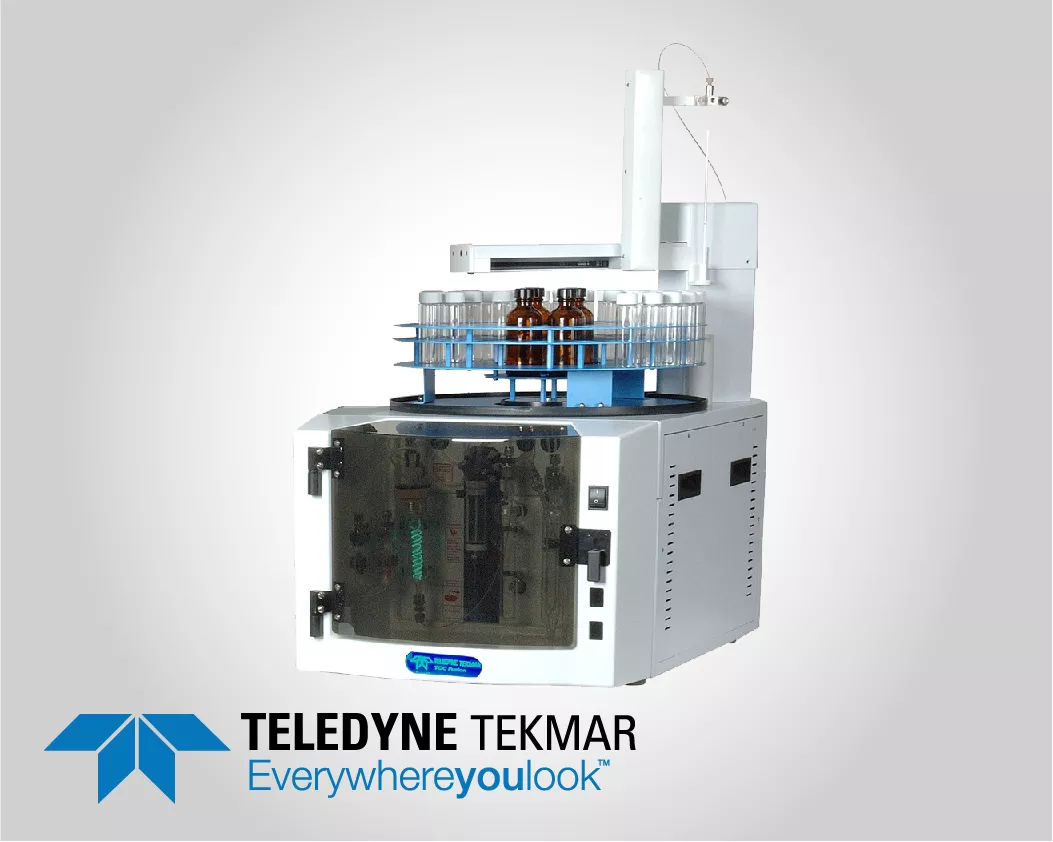
Teledyne TOC Analysis
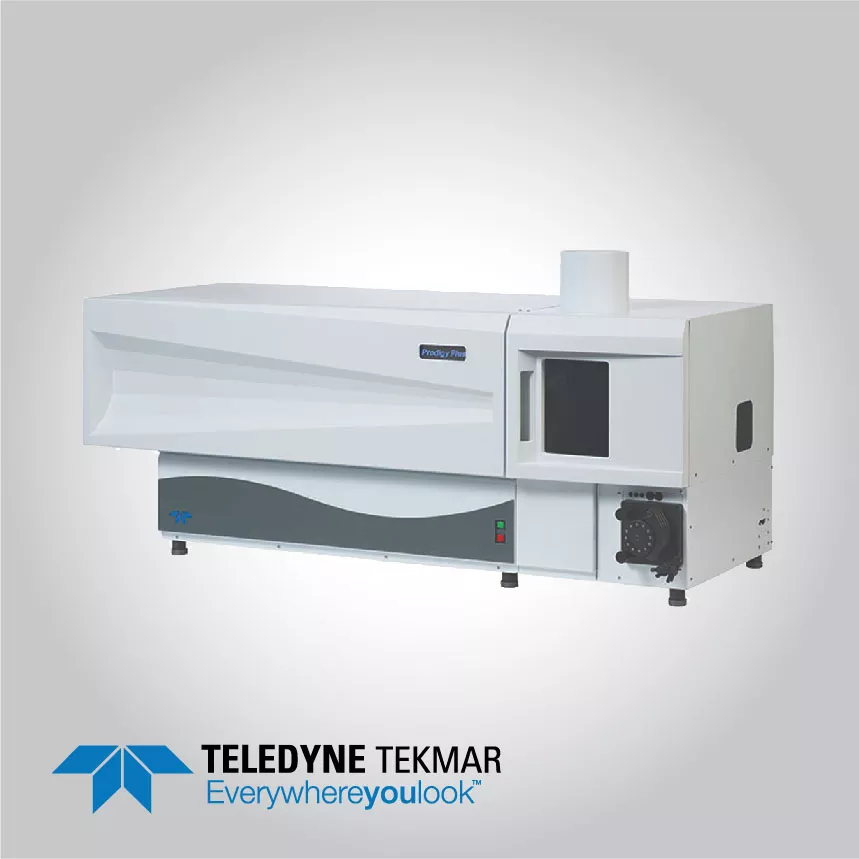
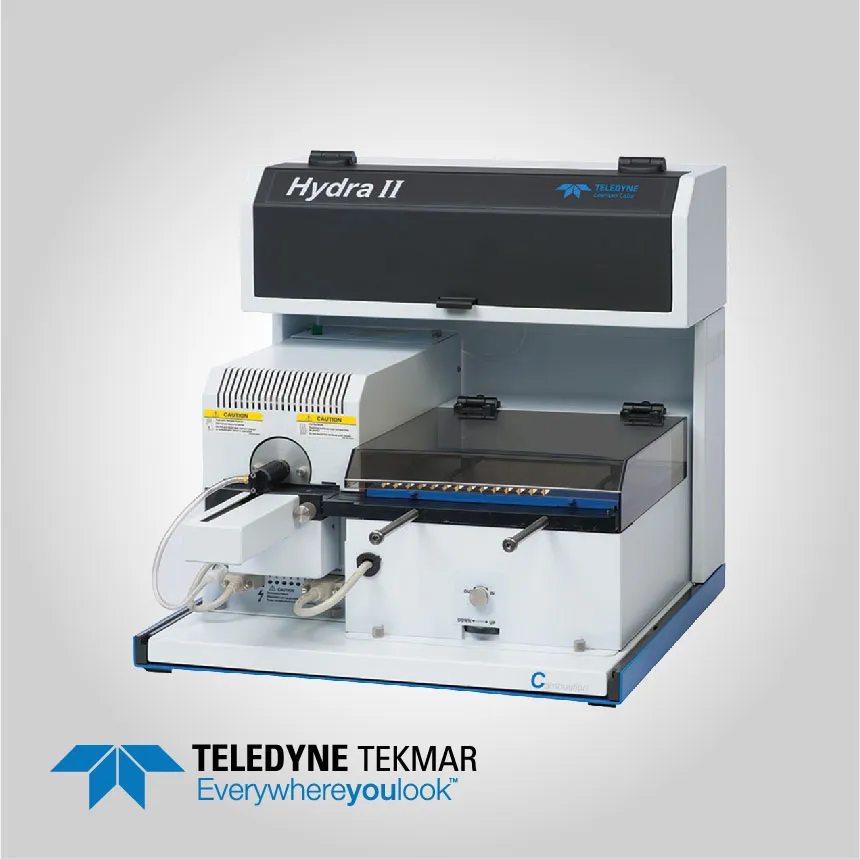
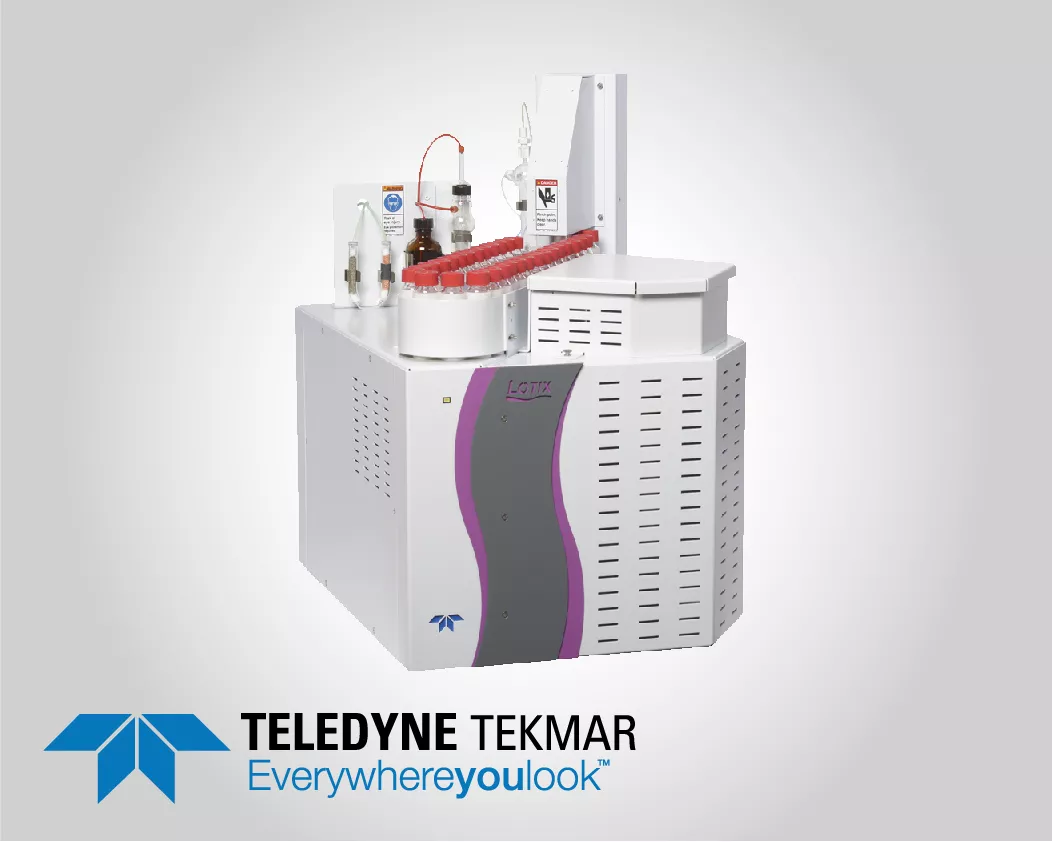
Teledyne Labs Total Organic Carbon (TOC) analyzers are engineered to provide high-precision measurement of organic contaminants in a wide array of aqueous matrices. These instruments employ two primary oxidation methodologies: high-temperature catalytic combustion and UV/Persulfate wet chemical oxidation. High-temperature combustion is technically ideal for challenging samples containing high salts, particulates, or complex macromolecules, as it ensures complete oxidation at temperatures ranging from 680 C to 950 C. Conversely, the UV/Persulfate method is optimized for ultra-pure and drinking water applications, offering exceptionally low detection limits and minimal background interference.
The technical superiority of Teledyne’s TOC platforms is characterized by advanced automation and patented detection technologies. Features such as Static Pressure Concentration (SPC) allow for increased sensitivity by capturing and pressurizing the entire sample’s CO2 output within the detector cell before measurement, rather than relying on traditional flow-through readings. Furthermore, integrated intelligent dilution capabilities enable the systems to handle samples with carbon concentrations ranging from parts-per-billion (ppb) up to 30,000 ppm.
High-Temperature Catalytic Combustion Technology
For matrices that are traditionally difficult to oxidize, such as wastewater or seawater, Teledyne utilizes high-temperature catalytic combustion. This process involves injecting the sample into a combustion tube packed with a proprietary platinum catalyst and heated to 680 C or higher in an oxygen-rich environment. This thermal energy ensures that even high-molecular-weight compounds and those embedded in particulates are fully converted to CO2. This technique is essential for industrial applications where chemical oxygen demand (COD) and biological oxygen demand (BOD) correlation is required.
UV/Persulfate Oxidation for Ultra-Trace Sensitivity
In ultra-pure water and pharmaceutical applications, the UV/Persulfate oxidation method provides superior sensitivity. This technique uses high-energy ultraviolet radiation in combination with a chemical oxidant (sodium persulfate) to liberate carbon from organic molecules. Because this method operates at lower temperatures and uses highly purified reagents, it results in a lower instrument background compared to combustion systems. This makes it the preferred technical choice for reaching detection limits as low as $0.2\text{ ppb}$, essential for compliance with pharmacopeial water-for-injection (WFI) standards.
Patented Static Pressure Concentration (SPC) Detection
A distinctive technical feature of Teledyne’s higher-end TOC analyzers is the patented Static Pressure Concentration (SPC) technology. Unlike flow-through NDIR detectors that measure CO2 as it passes by the sensor, SPC closes the detector outlet to trap and pressurize the entire volume of CO2 produced from a single sample injection. This pressurization increases the density of the gas molecules within the optical path, leading to a much stronger signal and significantly improved precision at trace carbon levels.
Advanced NDIR Detector Stability and Design
The Non-Dispersive Infrared (NDIR) detector used across the TOC product line is specifically designed for long-term stability and high signal-to-noise ratios. These detectors utilize automatic temperature and pressure compensation to eliminate drift caused by environmental changes in the laboratory. The optical benches are often gold-plated or treated to resist corrosion from acid gases or moisture, ensuring that the detector remains sensitive and accurate even when analyzing aggressive matrices like chlorinated wastewater or concentrated brine.
Automated Inorganic Carbon (IC) Removal and Sparging
Accurate TOC measurement requires the complete removal of Inorganic Carbon (IC), which includes carbonates, bicarbonates, and dissolved CO2. Teledyne systems integrate an automated sparging station where the sample is acidified to a pH of 2 or lower. An inert gas stream is then bubbled through the sample to strip away the resulting CO2 before the oxidation of the organic fraction begins. This automated process ensures that the subsequent measurement is purely organic carbon (NPOC), preventing false-positive results from inorganic sources.
Intelligent Dilution and Over-Range Protection
To handle unpredictable sample concentrations, Teledyne’s software features "Intellidilution" or similar smart dilution capabilities. When the system detects a signal that exceeds the calibrated range, it can automatically perform a multi-fold dilution and re-run the sample without operator intervention. This technical automation protects the detector from saturation and prevents carryover between high-concentration and low-concentration samples, making it ideal for high-throughput laboratories managing diverse environmental samples.
Integrated High-Throughput Autosamplers
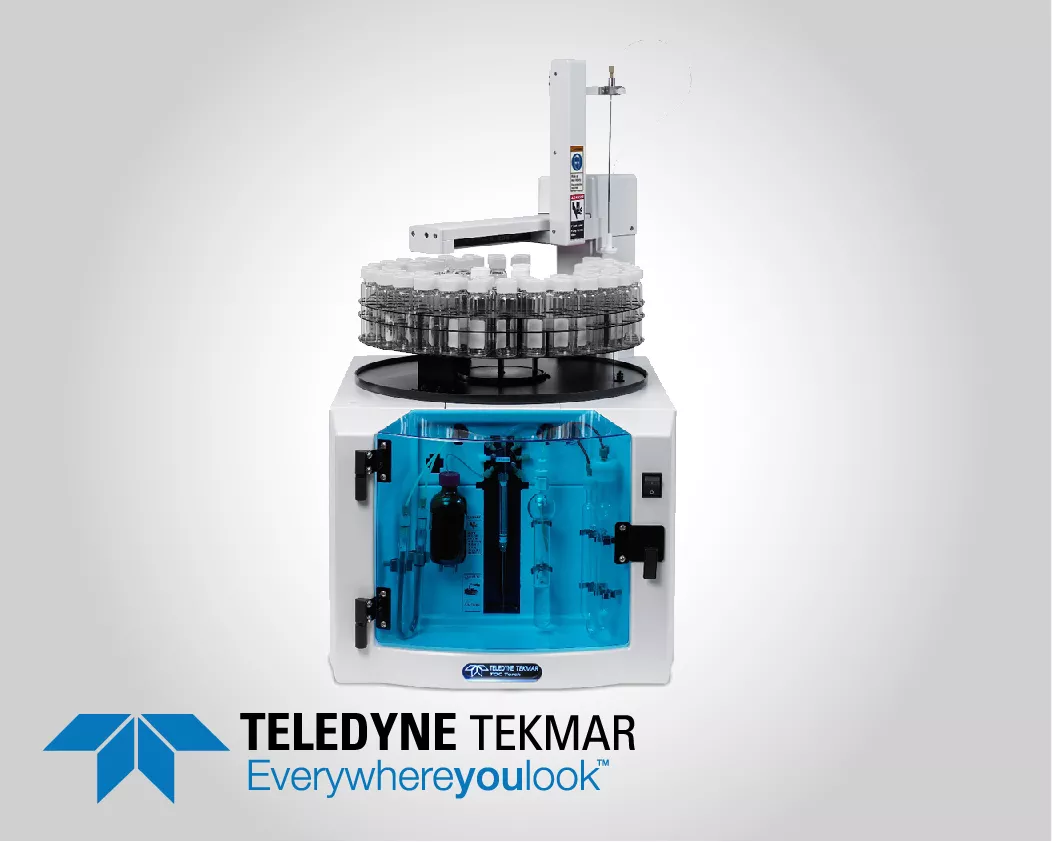
Productivity is enhanced through integrated autosampler designs that minimize sample handling and contamination risk. These conveyors are designed to hold various vial sizes, including 40 mL VOA vials, and feature self-cleaning needle assemblies. The system can be programmed to perform automated rinses between samples using a dedicated water reservoir, ensuring that the entire sample pathway—from the needle to the oxidation chamber—is free of residues from the previous analysis, thus maintaining analytical integrity.
Compliance Software and Data Integrity
For the pharmaceutical industry, the control software is technically designed to meet 21 CFR Part 11 requirements for data integrity. This includes secure audit trails, electronic signatures, and multi-level user access controls. The software provides predefined methodologies for USP <643> and EP 2.2.44 testing, including automated system suitability tests (SST). These features ensure that the TOC data generated is traceable, defensible, and ready for regulatory audits, reducing the administrative burden on quality control laboratories.
Click here for more information about Teledyne range of products