
Home » Products » Material Preparation, Analysis, and Testing » Grinding & Polishing systems » Buehler Grinding & Polishing Consumables and Accessories
Precision Consumables and Auxiliary Systems
|
for Metallographic Preparation

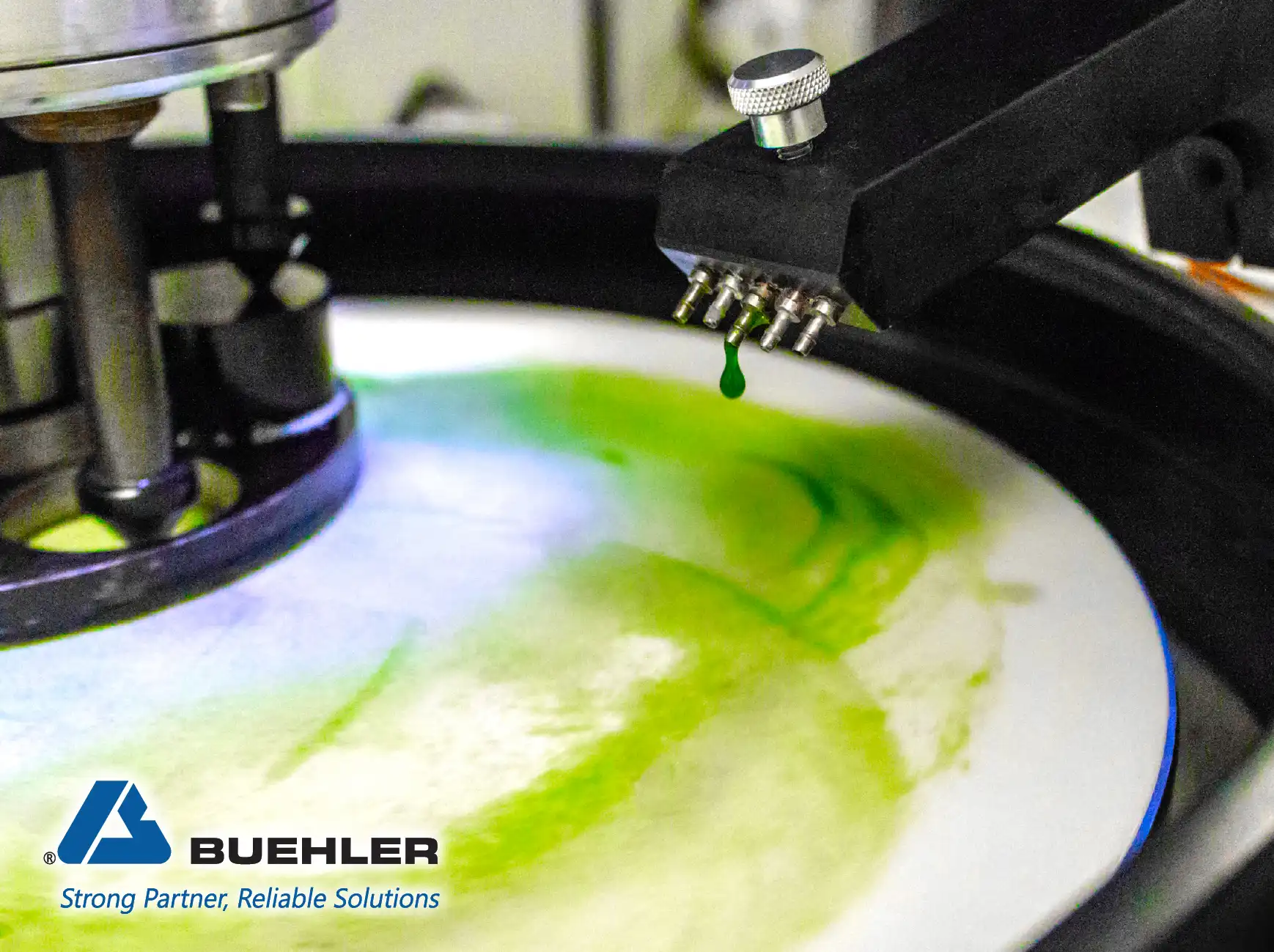
Buehler Grinding & Polishing Consumables and Accessories
The efficacy and repeatability of any metallographic preparation process are intrinsically linked to the quality and precision of the consumables and accessories employed. These materials—spanning from initial grinding papers and diamond discs to final polishing suspensions and specialized cloths, are engineered to deliver superior results by controlling material removal rate and minimizing subsurface damage.
Beyond the abrasive media, critical accessories play a role in automating processes and enhancing laboratory efficiency. Systems designed for automatic fluid dispensing ensure consistent application of polishing agents, which is paramount for reproducible results and optimized usage of expensive suspensions. Furthermore, specialized sample holders and platen systems cater to various application needs, such as central force application for high throughput or magnetic systems for rapid material exchange.
Maximizing Material Removal Rate with Minimal Surface Damage
Inefficient initial grinding is a frequent challenge that consumes valuable preparation time and often introduces unavoidable surface damage that complicates subsequent steps. The solution lies in using consumables engineered for a high material removal rate while maintaining minimal surface disruption. Utilizing silicon carbide grinding papers, available in various sizes and with multiple backing options, provides a single-use solution designed for fast, effective material reduction. This design ensures highly efficient material removal and ease of application without problems such as curling, setting a reliable foundation for all following preparation stages.
Reducing Waste and Extending Grinding Media Consistency
Laboratories often experience inconsistency in grinding results and rapid consumption of conventional abrasive media, which leads to increased operating expenses and unpredictable sample quality. This is addressed by shifting to multi-use grinding solutions that deliver extended operational lifespan and consistent performance. The use of diamond grinding discs, offered with either magnetic or PSA backing, provides a far more durable alternative. This technology ensures long-term consistency, significantly reduces the need for frequent replacement, and consequently minimizes material waste compared to single-use papers.
Ensuring Superior Finish Quality with Sub-Micron Diamond Control
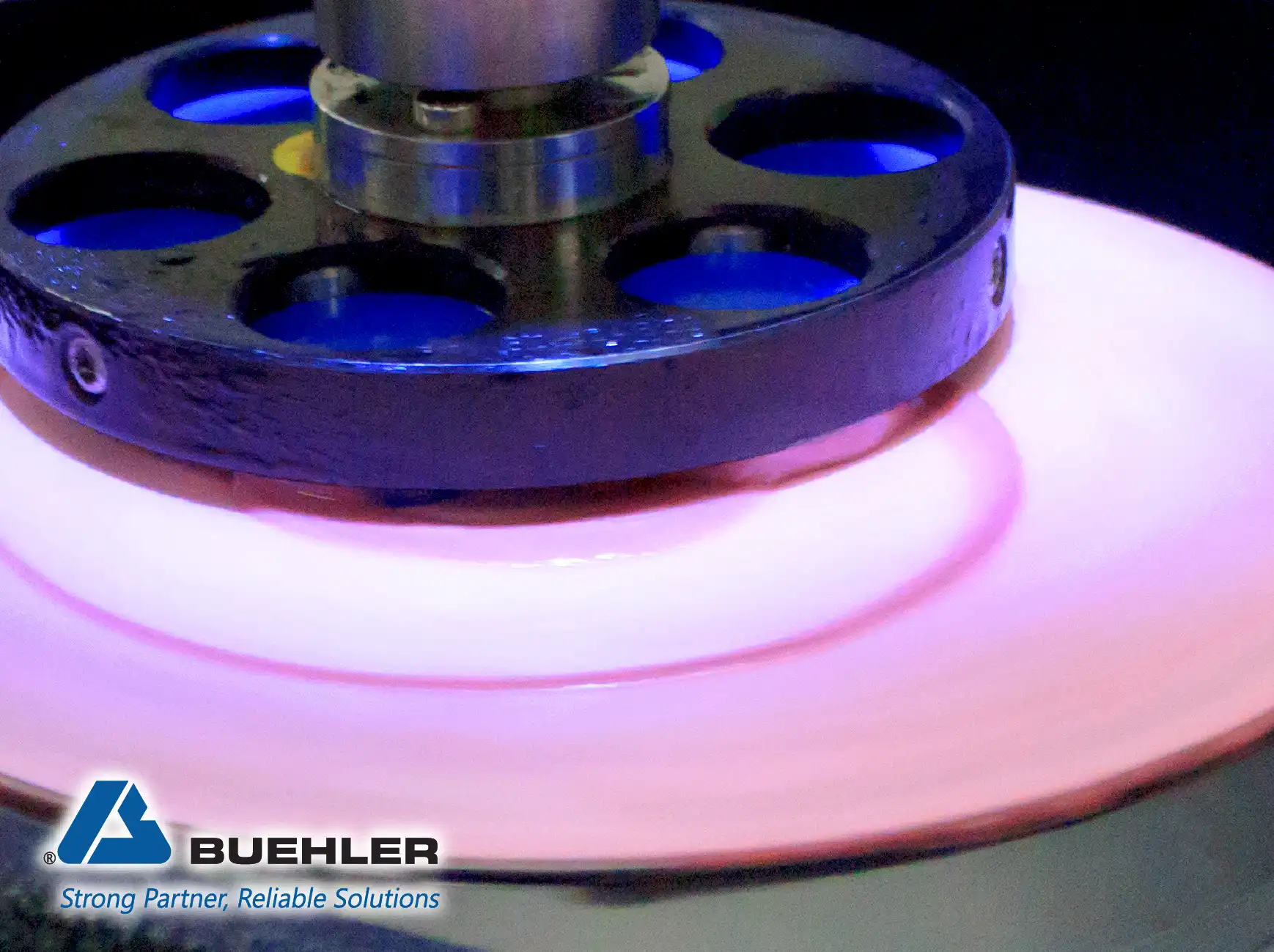
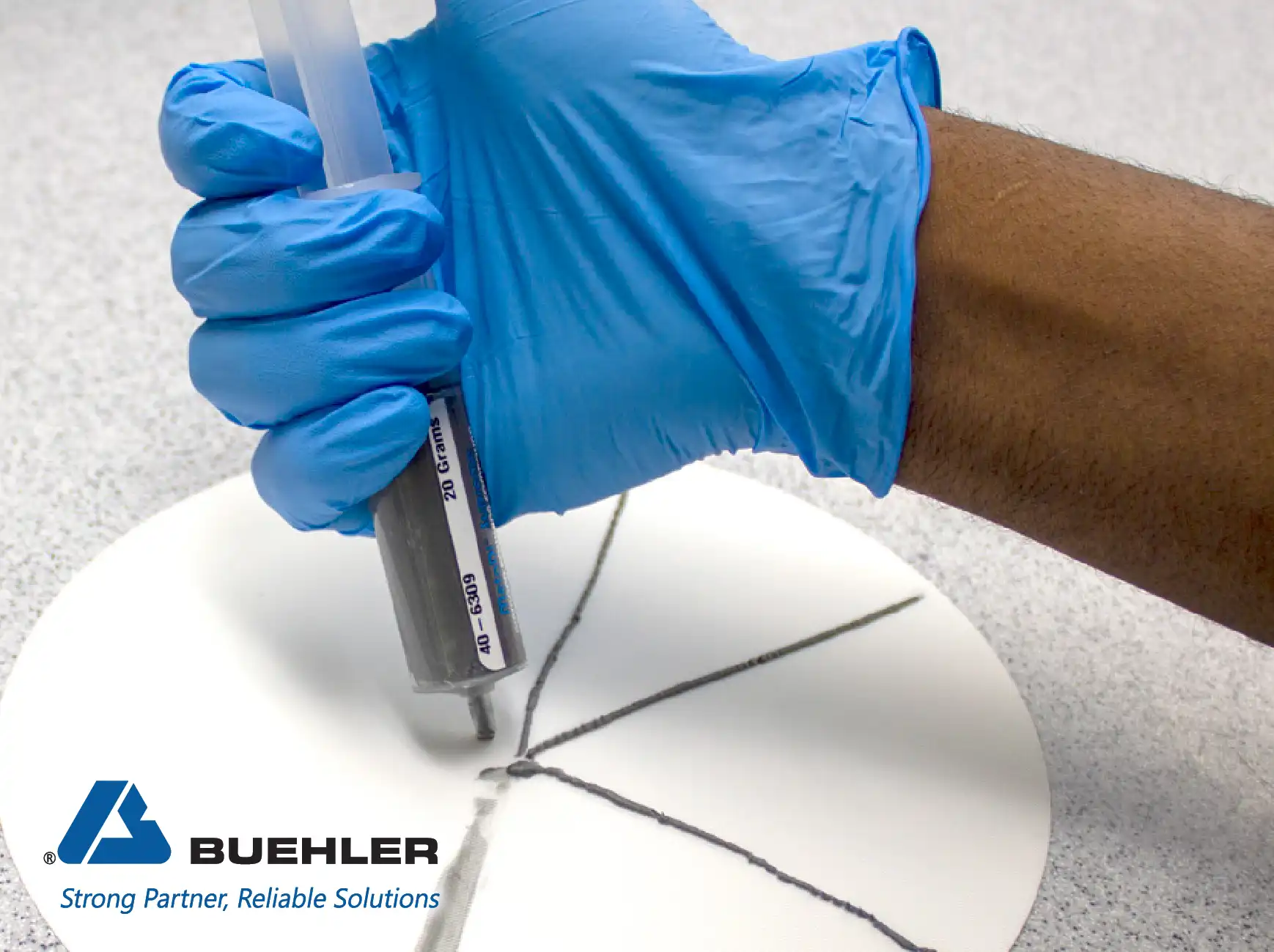
The final stages of polishing demand extreme precision; relying on low-quality suspensions introduces variability and fails to deliver the required unblemished finish. Achieving a superior surface finish and absolute consistency is accomplished using high-performance diamond suspensions and pastes. These products feature precisely controlled particle sizes, ranging from forty-خمسة down to an exceptional zero point zero five microns, in both mono- and polycrystalline diamond formats. This granular control over the abrasive media is essential for refining the surface structure and guaranteeing the highest quality outcome for subsequent examination.
Overcoming Inconsistent Results Through Optimal Polishing Media Selection
A persistent challenge in metallography is the difficulty in obtaining reproducible results due to the vast and often confusing array of polishing cloths, leading to sub-optimal surface finishes. This variability is mitigated by providing a large selection of premium performance cloths with diverse fabrics, weaves, and naps. This comprehensive range allows operators to accurately match the cloth type to the specific material and preparation method, guaranteeing reliable preparation results and the achievement of a superior final finish in the most efficient timeframe possible.
Removing Invisible Microscopic Deformation Layers
After mechanical polishing, samples often retain a final layer of deformation that is invisible to the naked eye but significantly impacts high-resolution analysis. This persistent damage necessitates an ultra-fine finishing step. The definitive solution involves using alumina and colloidal silica suspensions and powders with particle sizes as small as zero point zero two microns. These suspensions are specifically designed to remove this microscopic final layer of damage, ensuring the prepared surface is truly unblemished and ready for the most rigorous analytical methods requiring an excellent surface finish.
Solving Inconsistency and Fluid Waste through Automated Dispensing
Manual application of polishing fluids is inherently inconsistent, leading to both unpredictable sample quality and excessive consumption of expensive polishing agents. This is overcome by integrating an automatic dispensing system. This mechanism is engineered to add polishing fluid to the platen automatically, resulting in two key operational improvements: first, it dramatically improves consistency by standardizing the application process, and second, it reduces overall fluid use. This automation frees up users to focus on other essential laboratory tasks.
Adhering to Environmental Regulations and Reducing Water Consumption
A significant operational concern for laboratories is adherence to strict environmental regulations regarding the disposal of preparation debris and the management of high water usage. This compliance challenge is addressed by the use of a specialized recirculating filter system. This accessory offers two configurations: a filtering option that prevents grinding debris from entering facility drains, or a recirculating option that actively filters the water for reuse. This latter configuration significantly reduces overall water consumption while maintaining a clean, compliant preparation environment.
Achieving High Throughput and Accuracy in Electronic Component Analysis
Processing a large volume of electronic coupons, such as printed circuit board cross-sections, presents a challenge in maintaining both high throughput and the required high degree of accuracy for through-hole analysis. The solution is a specialized kit designed for simultaneous processing of multiple electronic samples. This system is specifically engineered to target critical features with the highest degree of accuracy and can process up to thirty-ستة coupons at one time. This capability is essential for scaling up analysis volumes and elevating overall production throughput in electronic failure analysis laboratories.
Click here to know more about Buehler products



.webp)